






What's Happening?
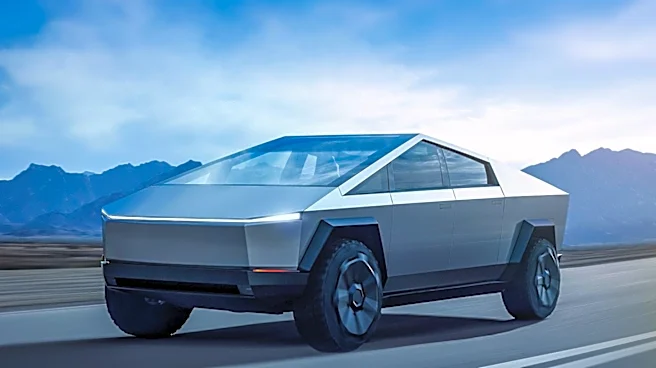
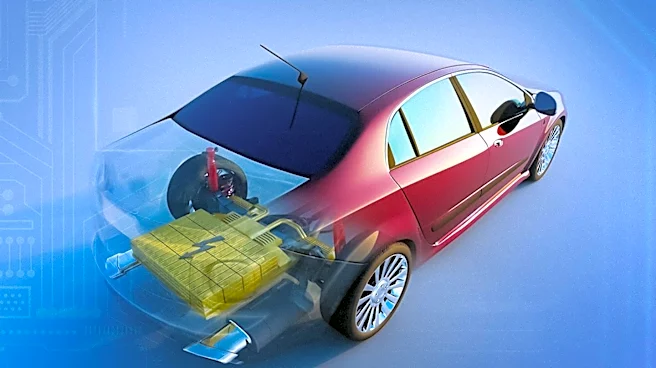
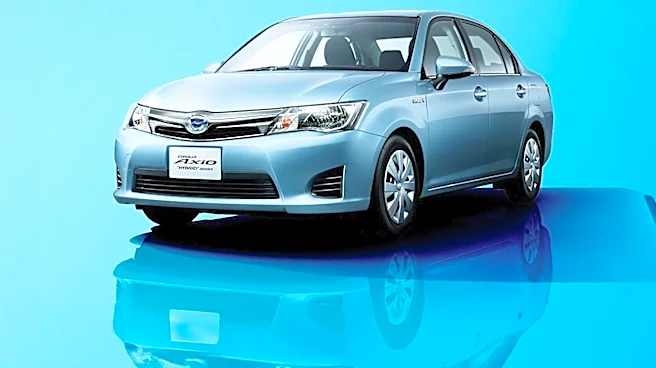
The automotive industry is increasingly focusing on hybrid vehicles as a mainstream growth strategy. This shift is driven by consumer demand for practical electrification, which offers reduced fuel consumption and emissions while maintaining familiar
ownership experiences. Automakers are expanding hybrid lineups to meet this demand, allowing consumers to benefit from electrification without the concerns associated with charging infrastructure and range anxiety. The market is moving from rapid disruption to steady evolution, with manufacturers extending existing models with hybrid powertrains to satisfy changing consumer preferences. This approach prioritizes reliability and everyday usability over technological novelty, emphasizing fuel efficiency, affordability, and ease of ownership.
Why It's Important?
The move towards hybrid vehicles reflects a broader trend of practical innovation in the automotive industry. Consumers are increasingly seeking risk-free solutions that offer immediate financial benefits and long-term flexibility. This shift is significant as it indicates a change in consumer behavior, where practical value is prioritized over technological excitement. The expansion of hybrid vehicles is expected to drive growth across multiple vehicle segments, providing opportunities for automakers to maximize existing platforms and reduce development costs. This trend also highlights the importance of consumer confidence in adopting new technologies, as hybrids offer a gradual transition towards electrified mobility without requiring major lifestyle changes.
What's Next?
As the demand for hybrid vehicles continues to grow, automakers are likely to increase hybrid availability across various vehicle segments. This expansion will involve integrating hybrid systems into proven models to accelerate market adoption. Additionally, the industry may see a focus on developing flexible mobility solutions that cater to diverse driving environments. The ongoing evolution of consumer expectations and regulatory environments will require manufacturers to maintain flexible long-term product strategies. The success of hybrid vehicles will depend on their ability to deliver compelling value and meet consumer demands for practical, affordable, and reliable mobility solutions.