
What's Happening?
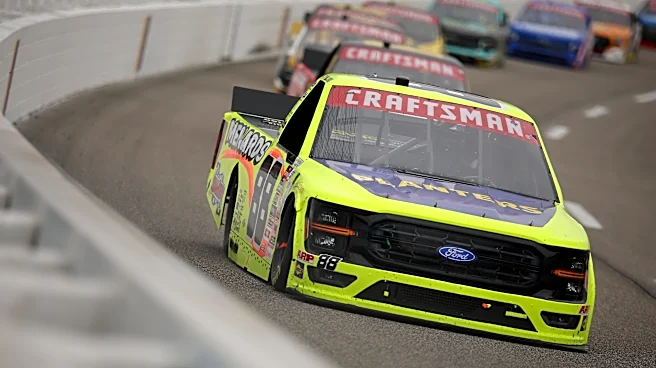
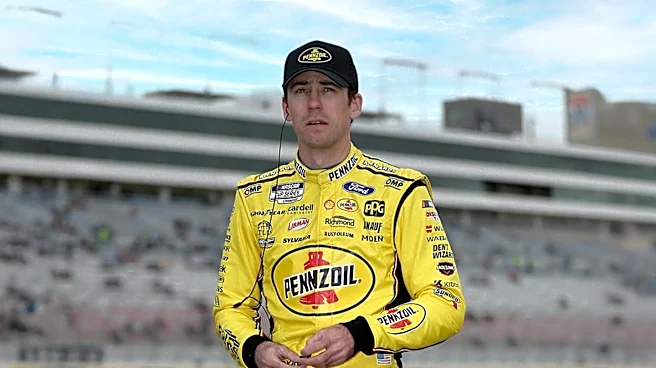
NASCAR driver Carson Hocevar recently discussed his aggressive racing style and a recent on-track incident with fellow driver Ryan Blaney during a media availability at Kansas Speedway. Hocevar acknowledged
that his approach to racing is often aggressive, stating he doesn't want to be a hypocrite when others race him hard. He reflected on the Bristol incident with Blaney, admitting that in the heat of the moment, drivers are biased towards themselves, but looking back, he can see Blaney's perspective. Hocevar emphasized that such incidents, while intense, often bring competitors closer together. He also mentioned his respect for Blaney, describing him as one of the 'coolest guys in the garage.' Hocevar believes that aggressive driving is sometimes necessary in the current racing environment, especially when trying to outmaneuver cars with superior speed or when fighting for critical positions in the closing stages of a race. He highlighted the difficulty of passing in 'dirty air' and the need to make aggressive moves to gain an advantage.
Why It's Important?
Hocevar's comments shed light on the competitive dynamics and unwritten rules within NASCAR, particularly concerning driver conduct and the balance between aggression and respect. His perspective on the Blaney incident illustrates the intense pressure and split-second decision-making inherent in high-stakes racing. This dynamic is crucial for understanding how rivalries develop and are managed within the sport. The discussion also touches upon the strategic elements of NASCAR, such as the impact of 'dirty air' on passing and the importance of track position, especially in events like the Chase for the Cup. For fans, it offers insight into the mindset of drivers and the human element behind the wheel, moving beyond just the technical aspects of the race. For the sport itself, it underscores the ongoing debate about aggressive driving and its role in creating exciting, yet fair, competition.
What's Next?
As the NASCAR season progresses, particularly through the Chase for the Cup, Hocevar's aggressive driving style will likely remain a focal point. His interactions with other drivers, especially those he has had previous incidents with, will be closely watched. The sport will continue to grapple with how to balance aggressive racing that entertains fans with maintaining a level of sportsmanship and safety. Future races will test Hocevar's philosophy, and his performance will determine whether his 'bring-it-on mentality' yields success or further controversies. The ongoing dialogue among drivers, teams, and NASCAR officials about racing etiquette and the interpretation of on-track incidents will also continue to evolve, potentially influencing future rules or enforcement decisions.
Beyond the Headlines
Beyond the immediate racing implications, Hocevar's remarks highlight broader themes of professional conduct and conflict resolution in high-pressure environments. His ability to reflect on past incidents and acknowledge another driver's perspective, even while maintaining his own aggressive approach, demonstrates a level of maturity and strategic thinking. This dynamic is not unique to sports but resonates in various competitive fields where individuals must navigate intense rivalries while adhering to certain professional standards. The 'heat of the moment' defense, while understandable, also raises questions about accountability and the long-term impact of actions taken under pressure. The ongoing narrative of Hocevar's career will serve as a case study in how a young, aggressive talent adapts to the demands and expectations of a major professional sport.