





What's Happening?
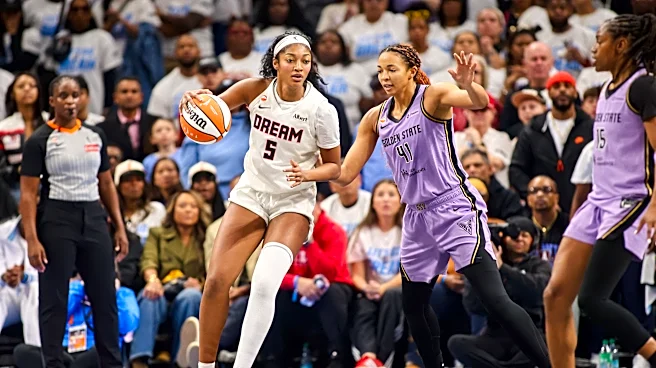
Sports analyst Bill Simmons has publicly criticized the WNBA's leadership, labeling their decisions as the 'dumbest' in professional sports history, particularly in light of scheduling conflicts affecting the WNBA Finals. The controversy centers around
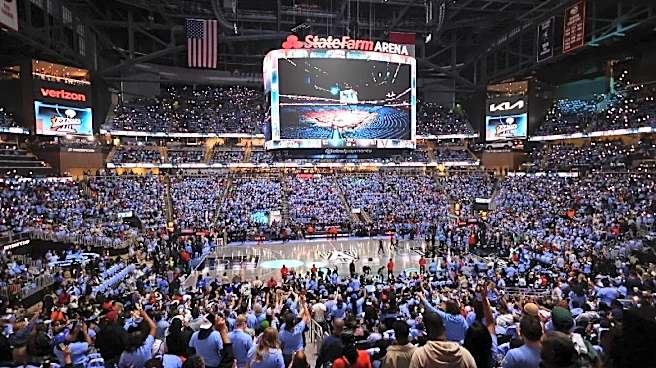
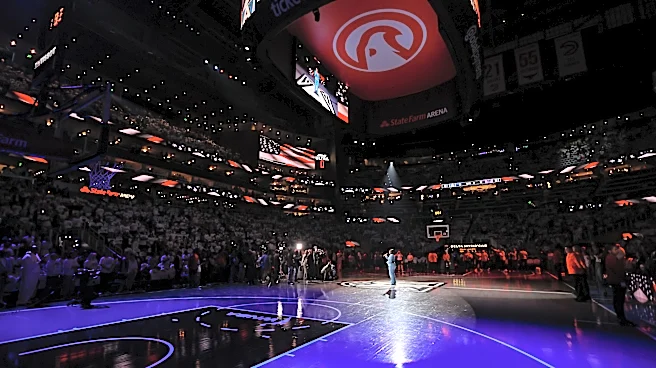
Game 6 of the Finals, which is scheduled to be played at 12:30 p.m. ET in Atlanta on October 29. This early afternoon tip-off time is a result of scheduling conflicts with the Atlanta Hawks, who are moving their game to later in the evening in the same arena. Simmons expressed his dismay on X, stating that the league has made numerous major decisions in 2026 and has 'somehow went 0 for 12.' He highlighted the unsuitability of a crucial Finals game starting at noon, especially for viewers across different time zones in the country. WNBA Commissioner Cathy Engelbert is set to step down at the end of the year, and Simmons' comments suggest a challenging season for her and the league's hierarchy.
Why It's Important?
This criticism from a prominent sports media figure like Bill Simmons is important because it draws significant attention to the operational challenges within the WNBA, potentially impacting its public perception and growth. The scheduling fiasco for a championship game, particularly one that could decide the series, undermines the league's efforts to elevate its status and attract a broader audience. An early afternoon game on a weekday could lead to lower viewership, affecting advertising revenue and overall fan engagement. This incident also highlights the ongoing struggle for women's sports leagues to secure prime-time slots and dedicated venues, often being relegated to less desirable times due to conflicts with men's sports. The perception of 'dumb' leadership decisions, as articulated by Simmons, could deter potential investors and sponsors, hindering the league's financial stability and long-term expansion goals, despite its recent growth in popularity.
What's Next?
The WNBA will proceed with Game 6 of the Finals at the scheduled 12:30 p.m. ET time, despite the backlash. The immediate focus will be on the outcome of the game and the championship series. Following the conclusion of the season, the league will likely face continued scrutiny regarding its scheduling practices and venue arrangements. With Commissioner Cathy Engelbert stepping down, the search for new leadership will be critical, as the incoming commissioner will need to address these systemic issues to ensure the league's continued growth and professionalization. Stakeholders, including players, team owners, and media partners, will likely push for more robust planning and dedicated facilities to prevent similar conflicts in future seasons. The incident may also spark broader discussions about equitable treatment and resource allocation for women's professional sports.
Beyond the Headlines
The WNBA Finals scheduling issue, while seemingly a logistical problem, touches upon deeper societal and economic implications regarding the valuation of women's sports. The need to accommodate a men's NBA game by moving a WNBA Finals game to an unfavorable time reflects a persistent hierarchy in sports broadcasting and venue allocation. This situation can perpetuate the narrative that women's sports are secondary, potentially impacting the aspirations of young female athletes and the overall cultural perception of their achievements. The incident also raises questions about the effectiveness of current leadership structures in professional sports leagues and their ability to adapt to the growing demand and commercial potential of women's sports. Addressing these issues requires not just logistical solutions but a fundamental shift in how women's sports are prioritized and marketed, ensuring they receive the prime-time attention and dedicated resources they deserve.