





What's Happening?
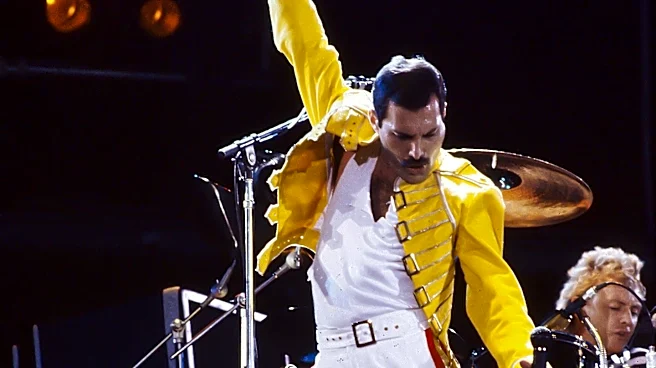
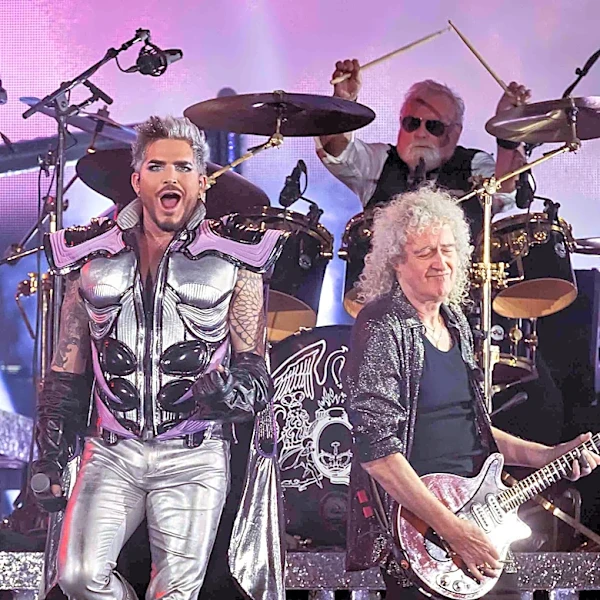
Queen guitarist Brian May has confirmed that the band will no longer tour, stating, 'I'm thinking maybe 50 years is enough.' He also recalled the moment Freddie Mercury indicated his final performance with Queen at Knebworth on August 9, 1986, at the conclusion
of their 26-date Magic tour. May recounted that Mercury came off stage and said, 'I can't do this any more,' which at the time was dismissed as Freddie 'being dramatic.' However, May now believes Mercury already knew his grim prognosis regarding his illness. Drummer Roger Taylor added that Mercury's death on November 24, 1991, deeply affected the band, particularly John Deacon, who 'went to pieces' and subsequently left the music industry.
Why It's Important?
Brian May's announcement marks the definitive end of touring for Queen, closing a significant chapter in rock music history. This decision reflects the physical and emotional toll of decades on the road, as well as the profound impact of Freddie Mercury's death on the band members. For fans, it signifies the finality of live performances from the iconic group, though their music continues to resonate globally. The revelation about Mercury's potential awareness of his illness during his last tour adds a poignant layer to his legendary stage presence, highlighting his dedication despite personal struggles. This news underscores the enduring legacy of Queen and the irreplaceable void left by Mercury's passing.
What's Next?
While Queen will no longer tour, Brian May has indicated that he is still considering an ABBA Voyage-style immersive avatar show for the band. He has explored the concept, inspired by the Las Vegas Sphere and the Eagles' use of it, but expresses reservations about the extensive use of AI and potential ethical concerns regarding 'stealing the work of other people.' This suggests that while traditional touring is over, the band may explore innovative ways to present their music and legacy to future generations. The focus for May will likely shift towards his personal interests, including astrophysics, and spending time with his family.
Beyond the Headlines
The decision to cease touring and the contemplation of an AI-driven immersive experience for Queen highlight a broader discussion within the music industry about legacy, technology, and the future of live performance. As iconic bands age or lose key members, the challenge becomes how to keep their music alive and relevant. The ethical considerations May raises about AI's role in recreating performances touch upon complex issues of artistic integrity, ownership, and the authenticity of experience. This situation reflects a generational shift in how music is consumed and experienced, moving from traditional concerts to potentially virtual, technologically advanced spectacles. The emotional impact of Mercury's death on the band members, particularly John Deacon's withdrawal, also underscores the deep personal bonds formed within musical groups and the lasting grief associated with such losses.