




What's Happening?
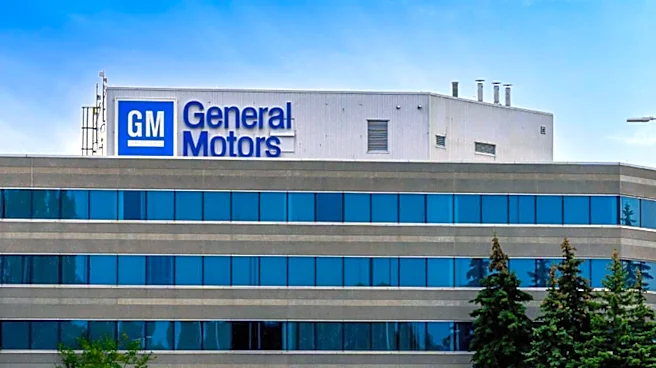
General Motors (GM) is emphasizing the critical role of its employees in the manufacturing process and the company's ongoing commitment to innovation. The company's newsletter features individuals like Lynn Huang, whose expertise in diagnostics shapes
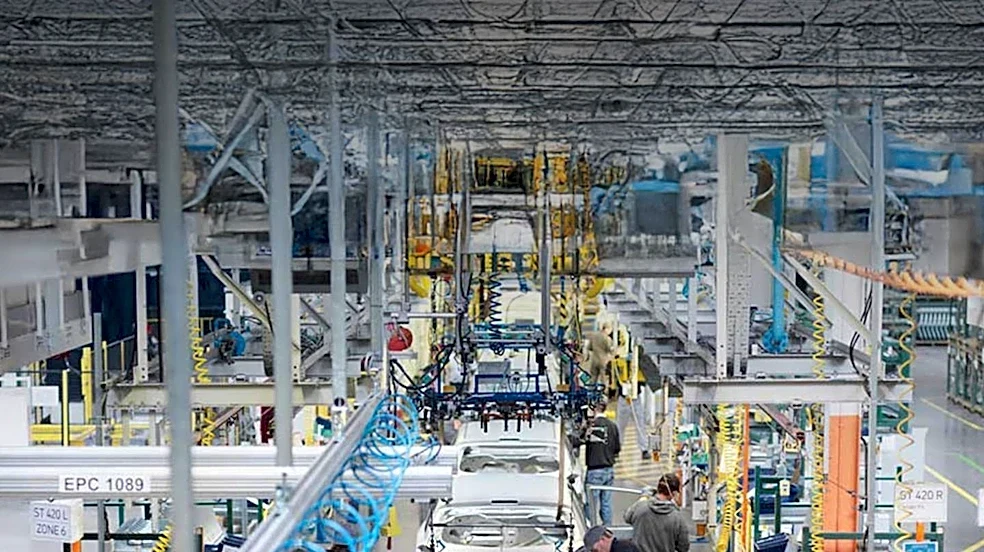
the Super Cruise system, and Navy veteran Keely Bosn, who transitioned her supply logistics experience into a career as a Cadillac Racing Program manager. Grant Dixton, Executive Vice President, Chief Legal and Public Policy Officer, recently spent a day working on the assembly line at GM's Fairfax Assembly plant. This initiative allowed Dixton to experience firsthand the plant operations, from stamping to the final line, and interact with the team members responsible for building GM vehicles. The company underscores that the business of building cars, despite its complexity, fundamentally relies on the dedication and skill of its workforce.
Why It's Important?
This focus on the human element is crucial for GM as it navigates a rapidly evolving automotive landscape. By highlighting the contributions of its employees, GM aims to reinforce its commitment to quality, safety, and innovation, which are directly linked to the skills and dedication of its workforce. In an era of increasing automation and technological advancement, recognizing the people behind the products can enhance brand perception and foster a stronger internal culture. For consumers, understanding the human effort involved in vehicle production can build trust and appreciation for the craftsmanship. For the industry, it serves as a reminder that while technology drives progress, the human touch remains indispensable in complex manufacturing processes and in fostering a culture of continuous improvement and problem-solving.
What's Next?
GM's continued emphasis on its workforce suggests a strategy to further invest in employee development, training, and engagement. This could manifest in more initiatives like Grant Dixton's visit to the assembly line, fostering a deeper understanding between leadership and frontline workers. The company may also continue to highlight individual employee stories to showcase the diverse talents and experiences that contribute to its success. This approach could also influence recruitment strategies, attracting individuals who are passionate about automotive manufacturing and innovation. Furthermore, by showcasing the human aspect of its operations, GM aims to differentiate itself in a competitive market, potentially influencing customer loyalty and perception of its brands, including Buick, Cadillac, Chevrolet, and GMC.
Beyond the Headlines
The narrative of 'the people who make GM' extends beyond simple employee recognition; it touches upon the broader societal value of skilled labor and manufacturing in the U.S. economy. In an age where manufacturing jobs have faced challenges, GM's emphasis on its workforce can contribute to a renewed appreciation for industrial craftsmanship and the economic stability it provides to communities. Ethically, it underscores corporate responsibility towards its employees, recognizing their integral role in the company's achievements. Culturally, it reinforces the idea that innovation is not solely the domain of engineers and designers but is deeply embedded in the daily work of every individual on the production line. This perspective can help bridge the gap between technological advancements and the human effort required to bring them to fruition, fostering a more holistic understanding of industrial progress.