




What's Happening?
Several international locations have been identified as prime winter holiday destinations, each offering distinct experiences. Quebec City, Canada, is noted for its historic charm under snow and its Winter Carnival, one of the largest globally. Zermatt,
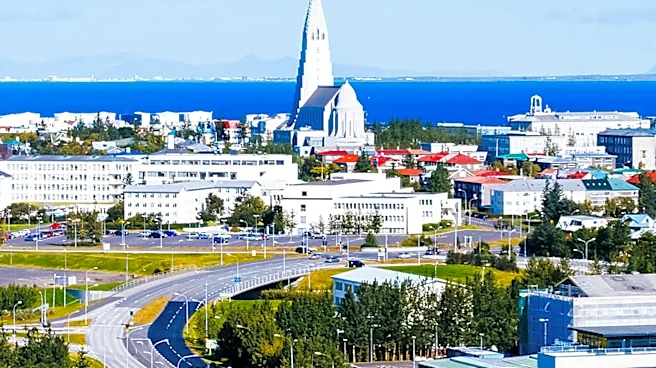
Switzerland, a car-free alpine village at the foot of the Matterhorn, is popular for both skiers and non-skiers due to its views, mountain restaurants, and scenic railway journeys. Tromsø, Norway, located within the Arctic Circle, is a key base for Northern Lights tours, experiencing polar night from late November to mid-January. Reykjavik, Iceland, serves as a hub for exploring dramatic winter landscapes, including the Golden Circle and geothermal pools, with regular Northern Lights tours. Vienna, Austria, is celebrated for its Christmas markets, grand coffee houses, and a vibrant concert and opera season. Edinburgh, Scotland, offers Christmas markets, festive events, and famous Hogmanay celebrations. Sapporo, Japan, on Hokkaido, is known for its heavy snow, the Sapporo Snow Festival, and excellent skiing. Lastly, the Canary Islands, Spain, provide a warm escape with mild temperatures, beaches, hiking, and volcanic scenery, ideal for those seeking winter sun.
Why It's Important?
The identification of these diverse winter holiday destinations is important for the travel and tourism industry, offering a wide array of options that cater to different preferences, from snowy adventures and cultural festivities to warm escapes. For destinations like Quebec City, Zermatt, Tromsø, Reykjavik, Vienna, Edinburgh, and Sapporo, these recommendations can boost local economies through increased tourism, supporting hospitality, retail, and transportation sectors. The emphasis on unique experiences, such as the Northern Lights in Norway and Iceland, winter carnivals in Canada, and snow festivals in Japan, highlights the value of seasonal tourism. The inclusion of the Canary Islands demonstrates the market for winter sun destinations, providing an alternative for travelers looking to avoid cold weather. This variety helps distribute tourist traffic and offers economic resilience to different regions during the winter months, impacting global travel trends and consumer choices.
What's Next?
As these destinations gain recognition for their winter offerings, it is anticipated that travel agencies and tourism boards will further promote these locations, potentially leading to an increase in bookings and visitor numbers in the upcoming winter seasons. Travelers are advised to plan their trips carefully, considering factors such as daylight hours, typical temperatures, and seasonal operating times for attractions. The demand for specialized winter activities like husky and reindeer sledding, snowshoeing, and Northern Lights tours is likely to grow, prompting tour operators to expand their offerings. Additionally, the focus on unique cultural events such as the Quebec Winter Carnival, Vienna's ball season, and Edinburgh's Hogmanay celebrations could attract more cultural tourists. The continued popularity of these destinations may also lead to further development in their tourism infrastructure, including accommodations, dining, and transportation, to meet the anticipated influx of visitors.
Beyond the Headlines
The curated list of winter destinations reflects a broader trend in tourism towards experiential travel, where travelers seek unique and immersive experiences rather than just sightseeing. This shift has implications for how destinations market themselves, moving beyond generic attractions to highlight specific cultural events, natural phenomena, and seasonal activities. The emphasis on destinations like Tromsø and Reykjavik for Northern Lights viewing underscores the growing interest in astrotourism and nature-based travel. Similarly, the popularity of winter festivals in Quebec City, Vienna, and Sapporo points to the cultural significance of seasonal celebrations in attracting international visitors. The contrast between cold-weather destinations and the warm Canary Islands also illustrates the diverse motivations behind winter travel, ranging from seeking adventure and cultural immersion to simply escaping harsh climates. This trend encourages destinations to invest in preserving their unique seasonal characteristics and cultural heritage to remain competitive in the global tourism market.