


What's Happening?
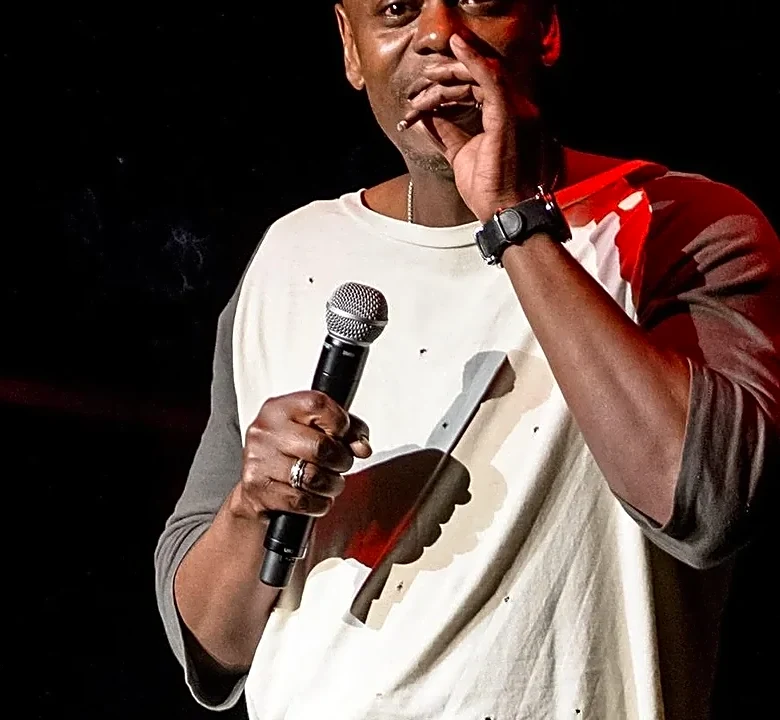
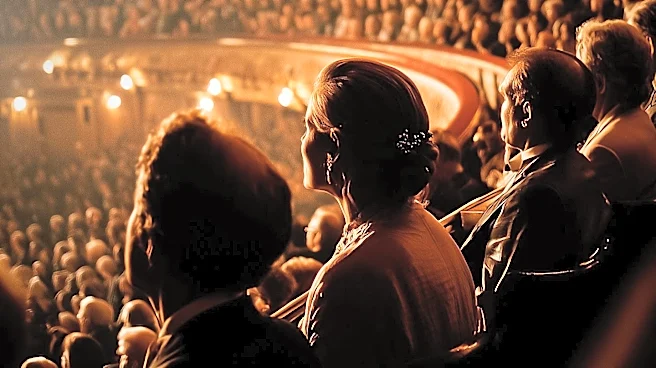
Comedian Bill Burr is slated to perform two shows at The Chicago Theatre on October 3, 2026. The performances are scheduled for 7:00 PM CT and 10:00 PM CT. These events are designated as 'device-free' shows, implemented by Yondr, meaning that attendees
will not be permitted to use recording devices during the performances. Tickets for these shows are currently available, with prices starting from $124.00. The ticketing platform TickPick indicates that there are 89 tickets still available for the next Bill Burr concert at The Chicago Theatre on the specified date. The average ticket price is reported to be $270.98, with the most expensive ticket listed at $899.00.
Why It's Important?
The implementation of a 'device-free' policy for a prominent comedian's shows highlights a growing trend in the entertainment industry to combat unauthorized recording and distribution of live performances. This approach aims to preserve the exclusivity and integrity of the live experience, ensuring that material is not prematurely leaked or widely shared without the artist's consent. For comedians like Bill Burr, whose acts often rely on topical and evolving content, preventing recordings can protect their intellectual property and maintain the freshness of their material for future audiences and tours. This policy also encourages audience members to be more present and engaged with the performance, fostering a unique atmosphere free from the distractions of glowing screens. The pricing structure, with tickets ranging significantly, reflects the demand for such high-profile comedy events and the varying seating options available to fans.
What's Next?
As the date approaches, further details regarding the device-free policy and entry procedures for the Bill Burr shows at The Chicago Theatre will likely be communicated to ticket holders. Attendees should anticipate strict enforcement of the no-recording-device rule, which typically involves securing phones and other electronic devices in Yondr pouches upon entry. The success of these device-free events could influence other artists and venues to adopt similar policies, potentially expanding the trend across the live entertainment sector. The continued demand for tickets, as indicated by the current availability and pricing, suggests that fans are willing to comply with these restrictions to experience the live performance. Future announcements might include additional security measures or guidelines to ensure a smooth and compliant entry process for all attendees.
Beyond the Headlines
The adoption of device-free policies by artists like Bill Burr reflects a broader cultural discussion about the role of technology in live experiences and the value of intellectual property in the digital age. While some argue that such policies enhance the communal aspect of live events and protect artistic content, others may view them as an inconvenience or an infringement on personal freedom. This trend also raises questions about the evolving relationship between artists and their audiences, as performers seek to control the dissemination of their work in an era of instant sharing. The Yondr system, by physically securing devices, offers a tangible solution to these challenges, creating a more immersive environment for both the artist and the audience. This shift could lead to a re-evaluation of how live performances are consumed and valued in an increasingly digital world, potentially influencing future contractual agreements and venue policies across the entertainment industry.