





What's Happening?
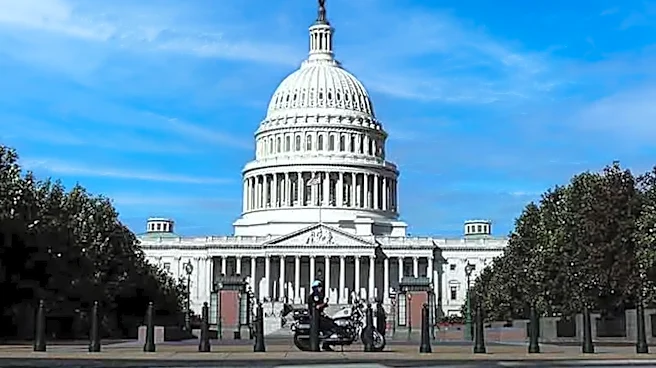
The cultivated meat industry in the United States is navigating complex regulatory and cost challenges as it seeks to scale up production. The FDA and FSIS have distinct roles in overseeing preharvest and harvest stages, respectively, which can create
hurdles for companies trying to bring lab-grown meat to market. The market for cultivated meat bioprocess and scale-up technologies is projected to grow significantly, from USD 385.5 million in 2026 to USD 5,607.6 million by 2036, driven by advancements in bioreactors, growth media, and cell lines. However, the cost of proving performance under local regulations and real operating conditions remains a significant barrier.
Why It's Important?
The growth of the cultivated meat market is crucial for addressing global food security and sustainability challenges. As the industry expands, it could reduce reliance on traditional livestock farming, which is associated with high environmental costs. However, the success of this transition depends on overcoming regulatory and cost barriers. The ability to produce lab-grown meat at scale while maintaining quality and safety standards is essential for gaining consumer acceptance and achieving commercial viability. The U.S. regulatory framework, which requires detailed safety and performance evidence, plays a pivotal role in shaping the industry's future.