






What's Happening?
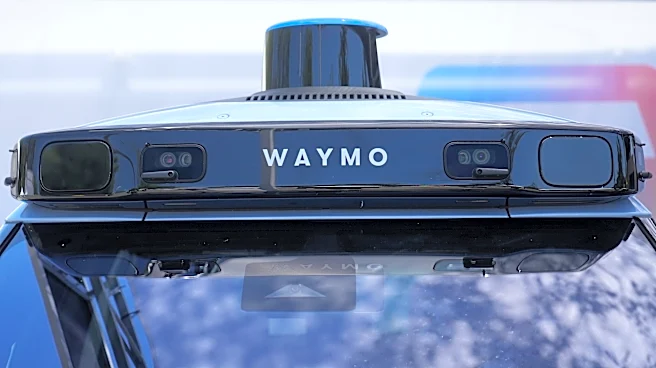
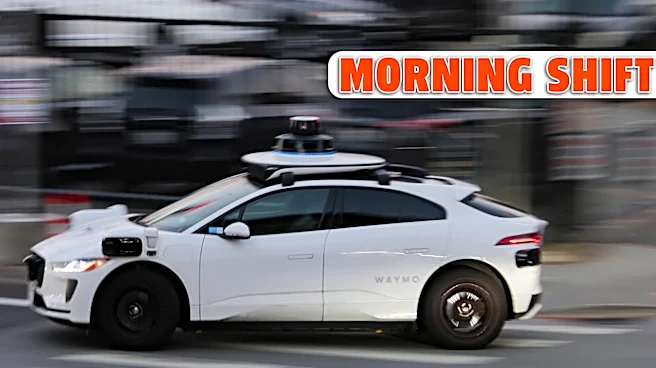
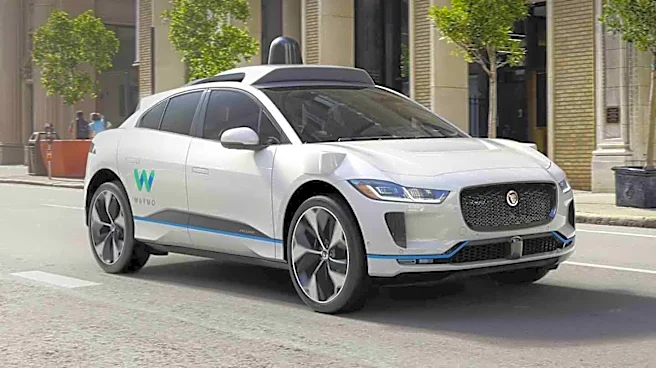
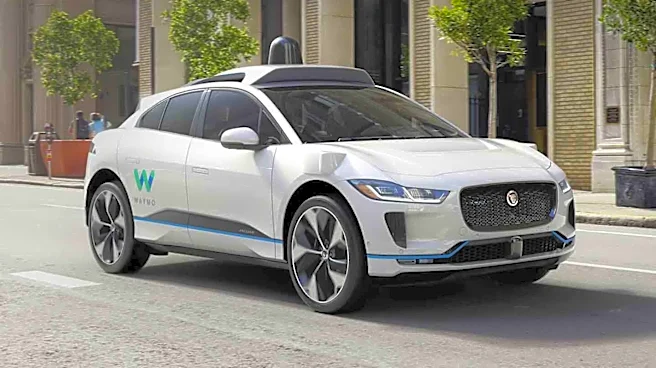
Waymo has temporarily halted all driverless taxi services on freeways across its operational markets. This decision follows a ban imposed by the California Department of Motor Vehicles (DMV) on Waymo's robotaxis from state freeways. The California DMV's
action was prompted by two recent incidents involving Waymo vehicles. In one instance on November 5, three Waymo driverless vehicles entered a construction zone. The following day, November 6, another Waymo vehicle attempted to bypass California Highway Patrol vehicles conducting a traffic break on a San Francisco highway, an incident widely circulated on social media. A Waymo spokesperson confirmed the company has restricted commercial freeway rides but will continue freeway testing with human autonomous specialists. The suspension's duration remains unspecified. The DMV stated that Waymo's driverless freeway operations pose an 'imminent hazard to public safety' due to recurring incursions into active construction zones, noting similar incidents occurred on May 18.
Why It's Important?
This suspension by Waymo, a prominent player in autonomous vehicle technology, highlights the ongoing challenges and regulatory scrutiny faced by the self-driving industry. The California DMV's ban underscores public safety concerns and the need for robust operational reliability in autonomous systems, especially in complex environments like freeways and construction zones. For the broader autonomous vehicle sector, this incident could lead to increased regulatory oversight and a more cautious approach to deployment, potentially slowing the pace of widespread adoption. Consumers who rely on or are considering driverless taxi services may experience reduced availability and a potential erosion of trust. The incident also emphasizes the critical role of state regulatory bodies in shaping the future of autonomous transportation and ensuring that technological advancements do not compromise public safety.
What's Next?
Waymo will need to demonstrate to the California DMV that it has implemented effective corrective actions to address the deficiencies that led to the restrictions before it can resume driverless freeway operations in California. This will likely involve significant software updates, enhanced sensor capabilities, or revised operational protocols to prevent future incursions into construction zones and improve responses to law enforcement actions. Other states where Waymo operates may also review their regulations or impose similar restrictions, depending on their assessment of the incidents and Waymo's response. The company's continued testing with human specialists suggests an ongoing effort to refine its technology. The outcome of Waymo's efforts to satisfy California regulators will be a key indicator for the future of autonomous vehicle deployment on U.S. freeways.
Beyond the Headlines
The Waymo suspension brings to the forefront the complex interplay between technological innovation, public safety, and regulatory frameworks. It raises questions about the liability in autonomous vehicle incidents and the standards required for these systems to operate safely alongside human-driven vehicles. The 'imminent hazard' declaration by the California DMV could set a precedent for how regulatory bodies assess and respond to safety concerns in emerging technologies. This situation also highlights the public's evolving perception of autonomous vehicles; while the technology promises efficiency and safety benefits, incidents like these can significantly impact public acceptance and trust. The long-term implications could include a more stringent certification process for autonomous driving systems, potentially leading to slower but more secure integration of these technologies into daily life.