





What's Happening?
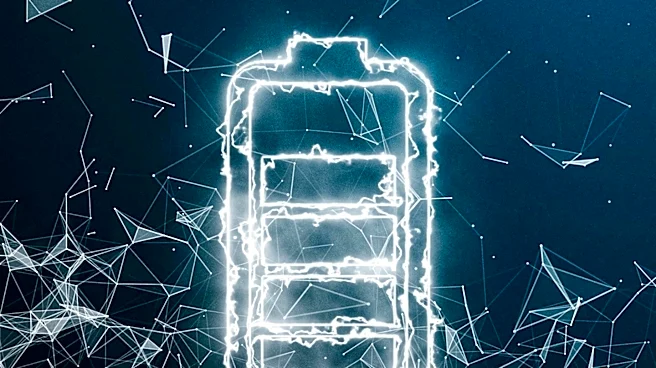
Sodium-ion batteries are emerging as a promising alternative to lithium-ion batteries in energy storage solutions. Unlike lithium-ion batteries, which rely on increasingly scarce materials like lithium, cobalt, and nickel, sodium-ion batteries utilize
abundant sodium, readily available in seawater and the Earth's crust. This shift reduces dependence on geopolitically sensitive and environmentally intensive extraction processes. Sodium-ion batteries also exhibit greater chemical stability, significantly lowering the risk of overheating and combustion compared to their lithium-ion counterparts. While lithium-ion batteries have dominated the market due to their high energy density and long lifespan, the development of sodium-ion technology addresses critical concerns regarding resource security, environmental impact, and safety in the energy sector. The technology is still less mature than lithium-ion, with current limitations in energy density and cycle life, but ongoing investment and research aim to overcome these challenges.
Why It's Important?
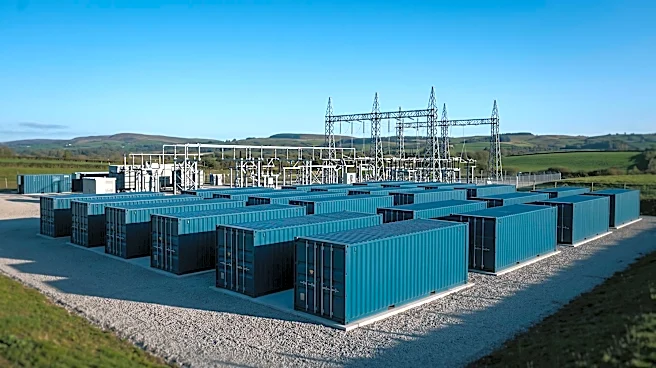
The adoption of sodium-ion batteries could significantly impact the U.S. energy sector by enhancing grid stability and reducing reliance on foreign critical mineral supplies. The greater chemical stability of sodium-ion batteries translates to improved safety, a crucial factor for large-scale energy storage applications within the U.S. infrastructure. Furthermore, the use of abundant and cheaper materials like sodium and iron-based compounds can lead to lower production costs and reduced price volatility, benefiting consumers and businesses. This technology is particularly well-suited for grid-scale energy storage where weight and size constraints are less critical, allowing for the strategic allocation of lithium resources to applications like electric vehicles and portable electronics where high energy density is essential. This diversification of battery technology can bolster the U.S.'s energy independence and contribute to a more resilient and sustainable energy system.
What's Next?
Continued research and development are expected to focus on improving the energy density and cycle life of sodium-ion batteries to broaden their applicability. As production scales up, the cost-effectiveness of sodium-ion batteries is anticipated to increase, making them more competitive in various energy storage markets. The U.S. may see increased investment in manufacturing facilities for sodium-ion batteries, creating new jobs and fostering technological innovation. Collaboration between government agencies, research institutions, and private companies will be crucial in accelerating the deployment of this technology. Furthermore, regulatory frameworks may evolve to support the integration of sodium-ion batteries into the national grid and other critical infrastructure, ensuring their safe and efficient operation. The long-term goal is to establish a diversified energy storage portfolio that leverages the strengths of both lithium-ion and sodium-ion technologies.
Beyond the Headlines
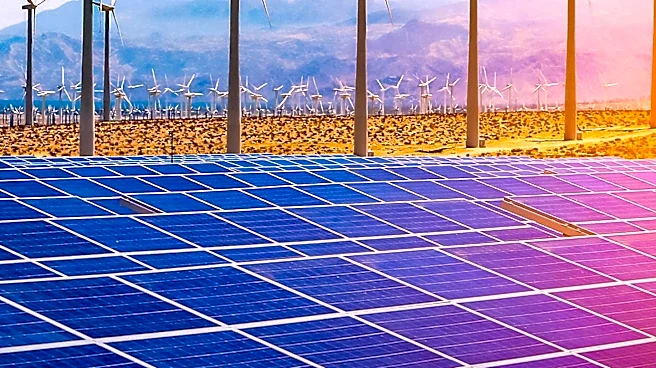
The rise of sodium-ion battery technology has deeper implications beyond immediate energy storage benefits. It represents a significant step towards a more circular economy by reducing the demand for rare and often controversially sourced materials. This shift could alleviate ethical concerns associated with mining practices and minimize the environmental footprint of battery production. Moreover, the enhanced safety profile of sodium-ion batteries could lead to broader public acceptance of large-scale energy storage facilities, which are vital for integrating renewable energy sources like solar and wind into the grid. The development also highlights the ongoing global competition in battery technology, with nations striving for leadership in sustainable energy solutions. For the U.S., investing in and adopting sodium-ion technology could position it as a leader in green innovation, fostering economic growth and technological sovereignty in the critical energy sector.