




What's Happening?
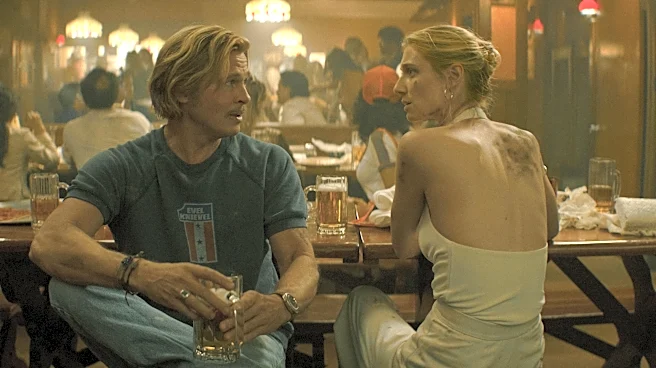
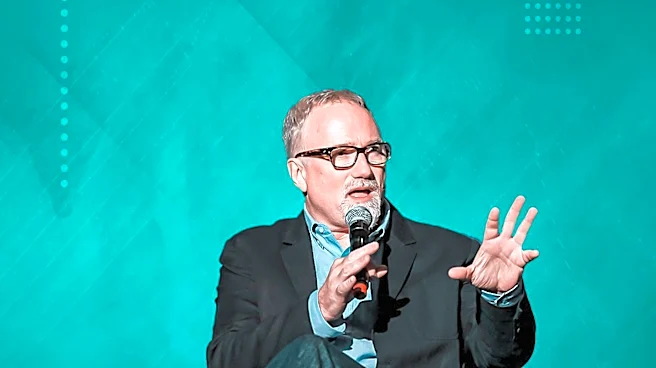
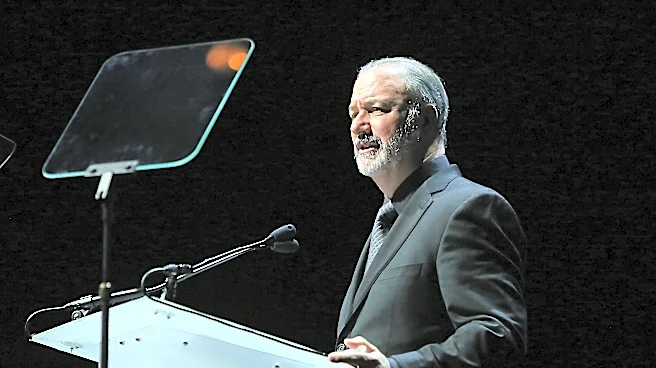
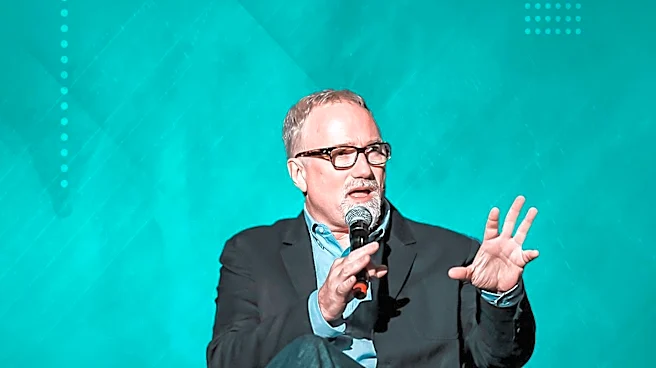
Renowned filmmaker David Fincher, 64, has indicated that his latest movie, “Cliff Booth,” could potentially be his last. Speaking on The Big Picture podcast, Fincher expressed a shift in his priorities and a decrease in patience for the current filmmaking
process. He highlighted frustrations with the industrialization of cinema, which he believes forces an intimate storytelling art into an inefficient, assembly-line model requiring large crews. Fincher also mentioned the physical toll of demanding work schedules, such as the 90-hour workweeks experienced during the second season of “Mindhunter,” noting that he and actor Brad Pitt felt their age during the production of “Cliff Booth.” He emphasized that his concern is not about Hollywood's desire for his work, but rather his own willingness to continue under existing production conditions.
Why It's Important?
Fincher's contemplation of retirement underscores a growing sentiment among some established filmmakers regarding the challenges and inefficiencies within the modern film industry. His critique of the 'industrialization' of cinema points to a potential conflict between artistic integrity and commercial production demands, which could influence how future projects are greenlit and produced. If prominent directors like Fincher scale back their output or retire due to these frustrations, it could lead to a shift in the landscape of high-quality, director-driven films. This situation also highlights the physical and mental toll that demanding production schedules take on industry professionals, potentially prompting discussions about more sustainable working conditions in Hollywood. The potential embrace of AI by Fincher to streamline production also signals a significant technological shift that could redefine filmmaking practices and labor requirements.
What's Next?
While Fincher has not definitively announced his retirement, his comments suggest a potential re-evaluation of his future in filmmaking. His interest in artificial intelligence as a tool to streamline production, by generating additional camera coverage from existing human performances, indicates a possible path forward that could make directing more appealing to him. This could lead to further exploration and adoption of AI technologies in his future projects, potentially influencing other filmmakers to consider similar approaches. The industry may also face increased pressure to address the concerns raised by Fincher regarding long work hours and inefficient production processes, possibly leading to reforms in how films are made to retain experienced talent. The reception and commercial performance of “Cliff Booth” could also play a role in his ultimate decision.
Beyond the Headlines
Fincher's remarks delve into the deeper philosophical debate about the nature of filmmaking—whether it is primarily an intimate art form or an industrial product. His frustration with the 'conveyor belt assembly line' approach touches upon the tension between creative vision and the economic pressures of large-scale productions. This discussion has ethical implications concerning the treatment of creative labor and the potential for technology, like AI, to either liberate artists from tedious tasks or further dehumanize the creative process. His willingness to consider AI as a solution, despite ongoing industry controversies, suggests a pragmatic view that prioritizes efficiency and artistic focus on actors' performances. This could spark broader conversations about the role of technology in preserving artistic integrity versus its potential to displace human roles in the film industry.