








What's Happening?
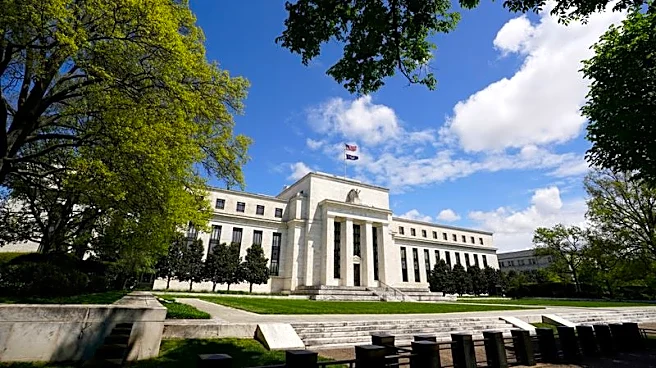
Mortgage rates have stabilized around 6.5% for 30-year fixed-rate loans after a period of volatility, according to CBS News. This rate is higher than in previous years, influenced by inflation, bond market changes, and the Federal Reserve's interest rate policies.
To secure the lowest rates, borrowers typically need a credit score of at least 740, which is considered 'very good' by FICO standards. This is significantly higher than the average credit score of 713 from the previous year. Despite the high rates, there are strategies to lower them, such as buying mortgage points, opting for shorter loan terms, or choosing adjustable-rate mortgages. Additionally, shopping around for different lenders can help borrowers find better rates.
Why It's Important?
The stabilization of mortgage rates at a higher level impacts the housing market by making home loans more expensive, which can deter potential buyers and slow down the housing market. High credit score requirements further limit access to favorable mortgage rates, potentially excluding many would-be homeowners. This situation underscores the importance of financial literacy and strategic financial planning for prospective homebuyers. The broader economic implications include potential slowdowns in housing market activity, which can affect related industries such as construction and real estate services.
What's Next?
Borrowers may need to focus on improving their credit scores to access better mortgage rates. This can involve paying down credit card balances and managing debts effectively. Lenders might also adjust their criteria or offer new products to attract borrowers in a competitive market. The Federal Reserve's future interest rate decisions will continue to play a crucial role in determining mortgage rate trends.