








What's Happening?
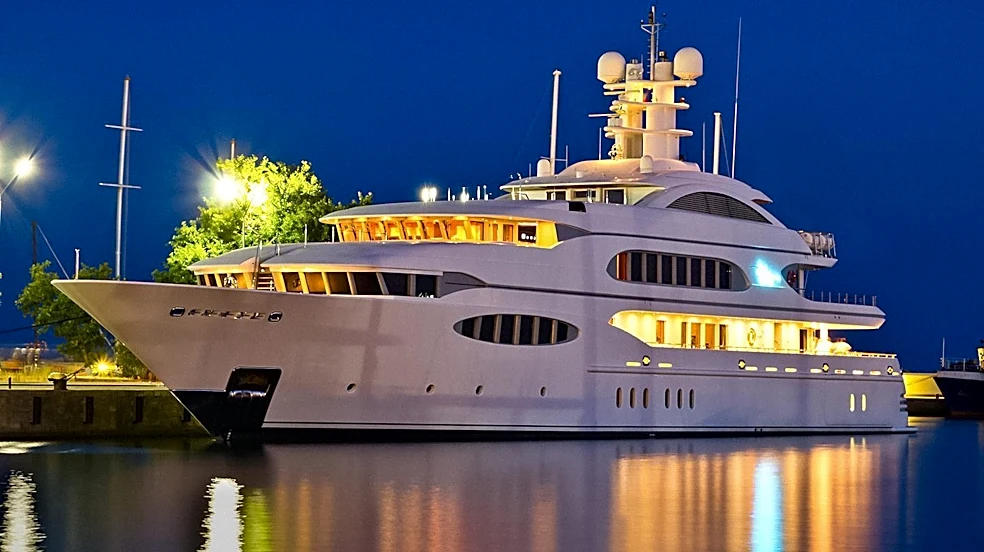
Superyacht ownership in 2026 is characterized by significant annual running costs, which can reach 10-15% of the vessel's purchase price. For a 50-meter yacht, the five-year total cost of ownership, including depreciation and refits, can approach twice
the acquisition price. Key expenses include crew salaries, which can range from US$1.2-1.8 million annually for a 50-meter yacht, berthing fees that can exceed €4,000 per day in peak season at exclusive marinas, and insurance premiums typically between 0.8% and 1.5% of the insured value. Fuel costs for a 50-meter motor yacht can easily surpass €300,000-600,000 annually, while maintenance and refits represent a substantial cyclical blow, with mid-life refits for a 50-meter yacht budgeting €4-8 million. To mitigate these substantial costs, experienced owners and professional managers are employing various strategies, such as chartering the yacht to offset 30-50% of running costs, engaging professional management to negotiate supplier contracts, and implementing fuel discipline.
Why It's Important?
The substantial and escalating costs associated with superyacht ownership highlight a significant economic dynamic within the ultra-high-net-worth demographic. The implementation of cost-reduction strategies, such as professional management and crew retention, reflects a broader trend of optimizing luxury asset management to preserve wealth and enhance operational efficiency. The ability to offset 30-50% of running costs through chartering indicates a shift towards viewing these assets with a more commercial lens, even for private use. This also impacts the marine services industry, as yacht management companies and suppliers face increased pressure to offer competitive pricing and value-added services. The focus on long-term planning and budgeting for refits and depreciation suggests a more sophisticated approach to asset lifecycle management, influencing how financial advisors and wealth managers counsel their clients regarding such high-value acquisitions.
What's Next?
Superyacht owners are expected to continue refining their cost-reduction strategies, with a growing emphasis on professional management and data-driven decision-making. The trend of chartering yachts to offset expenses is likely to expand, potentially leading to a more robust and formalized charter market. Further investment in crew training and retention programs will be crucial to reduce turnover costs and maintain lower insurance premiums. The industry may also see an increased demand for innovative solutions in fuel efficiency and berthing strategies, such as long-term berth rights, to combat rising operational expenditures. As owners become more adept at managing these costs, the market for specialized yacht services, including financial planning, maintenance, and logistics, is anticipated to evolve to meet these sophisticated demands, potentially driving new service offerings and competitive pricing models.
Beyond the Headlines
The focus on cost reduction in superyacht ownership extends beyond mere financial savings, touching upon broader themes of sustainability and asset utilization. The emphasis on fuel discipline and efficient route planning, for instance, aligns with growing environmental consciousness, even within the luxury sector. The strategic use of chartering transforms a purely consumptive asset into one with a partial revenue-generating capacity, challenging traditional perceptions of luxury ownership. This shift could lead to a re-evaluation of the 'investment' versus 'consumption' framework for ultra-high-net-worth individuals, potentially influencing future purchasing decisions and the design of new superyachts to be more operationally efficient and adaptable for commercial use. Furthermore, the meticulous planning for refits and depreciation reflects a long-term stewardship approach, indicating a desire to maintain asset value and longevity, which could have implications for the resale market and the demand for high-quality marine craftsmanship.