


What's Happening?
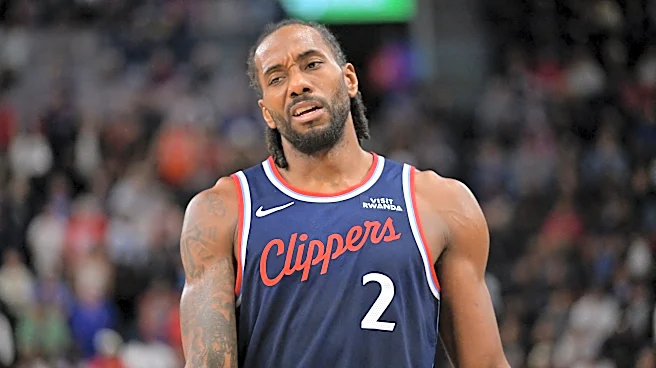
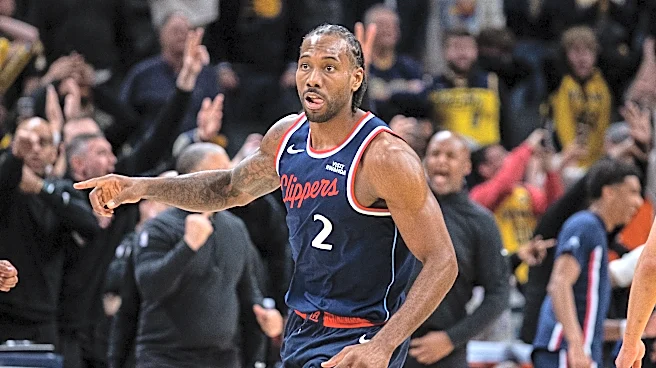
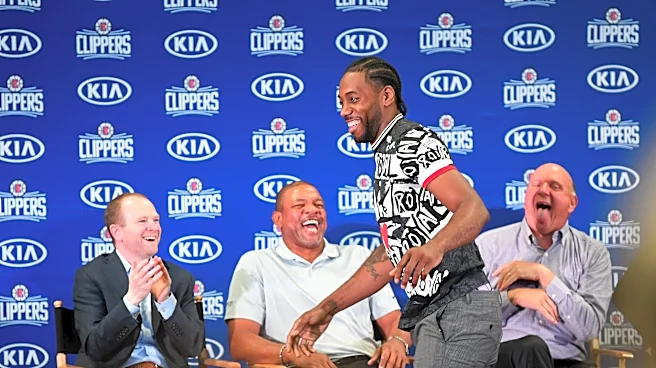
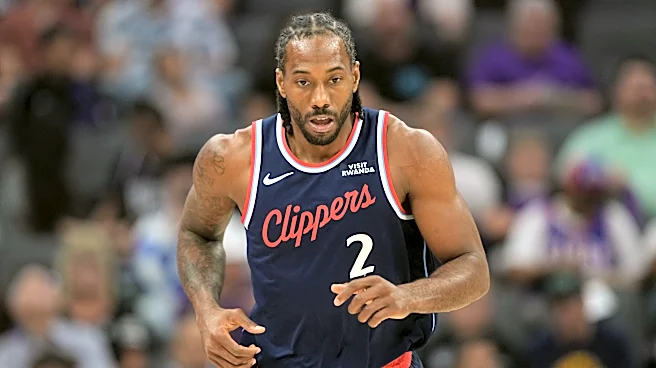
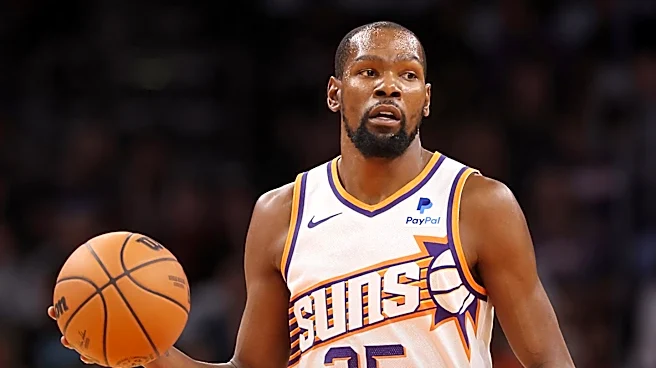
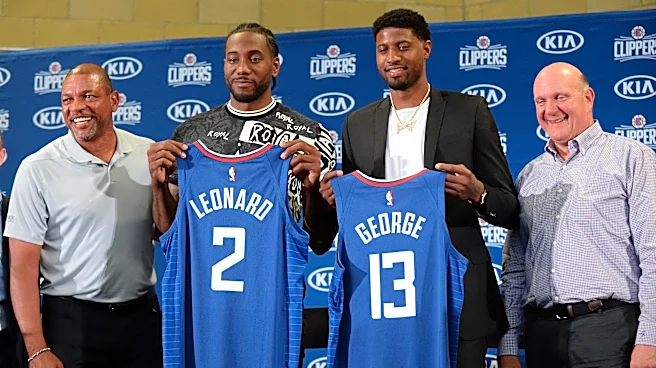
Phoenix Suns fans have strongly reacted to CBS NBA reporter Sam Quinn's social media post stating he would rather be the Los Angeles Clippers than the Suns. Quinn's comment was made in response to a question about whether the Clippers have the worst future
among major sports teams, especially after the NBA punished the Clippers in a salary-cap investigation, stripping them of five future first-round picks. Suns fans quickly voiced their disagreement, questioning Quinn's assessment and highlighting his past criticisms of their team. This includes previous predictions that the Suns would not win a playoff series with Chris Paul and would be dominated by the Clippers, which proved incorrect when the Suns eliminated the Clippers in the 2021 Western Conference finals. The exchange became a trending topic on X, with fans from across the league also participating in the discussion.
Why It's Important?
This incident underscores the passionate and engaged nature of NBA fan bases, particularly in the social media era where opinions can rapidly ignite widespread debate. For the Phoenix Suns, it highlights a perceived history of underestimation or negative commentary from some media figures, which fuels a collective defensive stance among their supporters. The reaction also demonstrates how past predictions, especially those that prove inaccurate, can erode trust between fans and reporters, leading to heightened scrutiny of subsequent comments. This dynamic can influence public perception of teams and players, potentially affecting morale and fan engagement. Furthermore, it illustrates the power of social media platforms like X in amplifying fan voices and holding sports analysts accountable for their takes, creating a more interactive and sometimes contentious relationship between sports media and its audience.
What's Next?
The immediate aftermath will likely see continued discussion on social media platforms regarding Quinn's comments and the future prospects of both the Phoenix Suns and the Los Angeles Clippers. While the specific comment may fade, the underlying sentiment among Suns fans regarding media perception could persist, influencing their reactions to future analyses of their team. For sports reporters, this event serves as a reminder of the intense scrutiny and historical memory of fan bases, particularly when making comparative statements about rival teams. It may lead to more cautious or thoroughly explained commentary from analysts to avoid similar backlashes. The long-term performance of both the Suns and Clippers in upcoming seasons will ultimately provide the most definitive answer to the debate over which team has a more promising future, potentially validating or further discrediting various media predictions.
Beyond the Headlines
This situation reflects a broader trend in sports media where the line between objective reporting and opinion-based commentary is increasingly blurred, especially on social media. The immediate and often emotional responses from fan bases highlight the challenge for sports journalists to maintain credibility while engaging in the public discourse. It also touches upon the psychological aspect of fandom, where loyalty to a team can lead to strong reactions against perceived slights or negative assessments. The incident could also be viewed as a microcosm of the evolving relationship between traditional media and its audience in the digital age, where direct engagement and immediate feedback are commonplace. This constant interaction can shape narratives, influence team perceptions, and even impact the careers of sports personalities, emphasizing the need for careful consideration in public commentary.