





What's Happening?
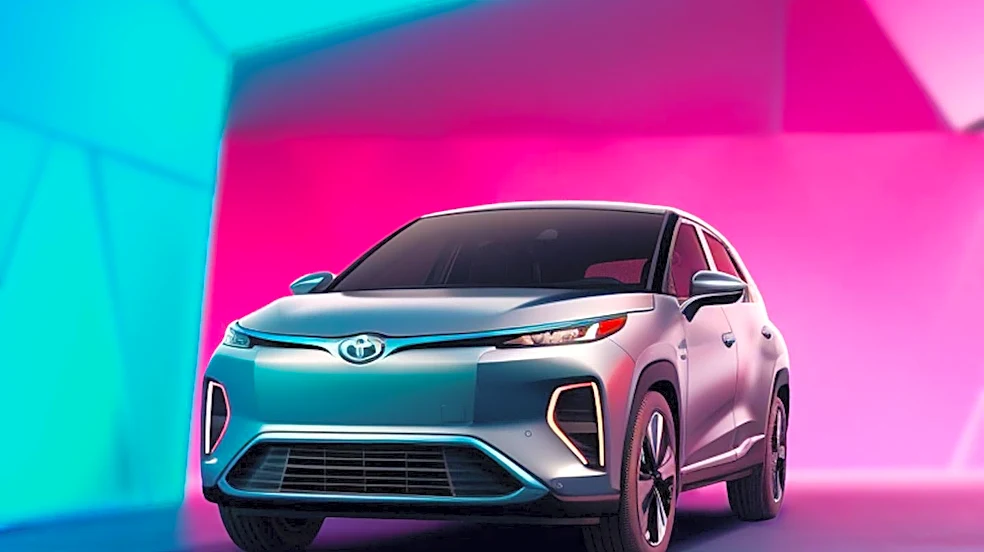
Toyota has announced plans to transform all of its approximately 50 vehicle models into software-defined vehicles by 2030. This strategic shift will enable all Toyota vehicles to receive functionality enhancements through software updates, similar to how
smartphones receive updates. The company aims to establish a new business model where its Arene in-vehicle software platform, first adopted in the RAV4 SUV in 2025, will be installed in about 10 million new vehicles produced globally each year. This initiative is designed to generate revenue through software update fees post-delivery. The move positions Toyota to compete with leaders in software-defined vehicles like Tesla and Chinese automakers, and comes amidst intensifying competition, including a joint development agreement between Honda and Nissan for in-vehicle software.
Why It's Important?
This announcement signifies a major paradigm shift in the automotive industry, moving from hardware-centric to software-centric vehicle development. For the U.S. automotive market, this means a future where vehicles are continuously evolving post-purchase, offering new features and improved performance through over-the-air updates. This could impact U.S. consumers by providing more dynamic and customizable driving experiences, but also by introducing new subscription-based revenue models for features. U.S. automakers and technology companies will face increased competition and pressure to innovate in software development, potentially leading to new partnerships or acquisitions. The shift also has implications for cybersecurity, as more complex software systems require robust protection against vulnerabilities. Furthermore, the ability to generate recurring revenue from software updates could significantly alter the financial landscape of the automotive sector, benefiting companies that successfully adapt.
What's Next?
Toyota plans to gradually expand the integration of its Arene software platform across its model lineup, with a target of all 50 models by 2030. Following this internal rollout, Toyota intends to offer the Arene platform to partner automakers, potentially establishing it as an industry standard or a significant player in the automotive software ecosystem. This will likely lead to further collaborations and competition in the development of in-vehicle software. Consumers can expect to see more vehicles with advanced connectivity, autonomous driving features, and personalized services, all delivered through software updates. The industry will also need to address challenges related to data privacy, software reliability, and the long-term support of these complex systems. The success of this strategy will depend on Toyota's ability to innovate rapidly and effectively manage the transition to a software-first approach.
Beyond the Headlines
The transition to software-defined vehicles represents a profound shift in the relationship between car manufacturers and consumers. Beyond mere functionality, it transforms the vehicle into a continuously evolving digital product, blurring the lines between automotive engineering and software development. This could lead to ethical considerations regarding data collection, user privacy, and the potential for manufacturers to control vehicle features remotely. Legally, it may necessitate new regulations concerning software liability, ownership of vehicle data, and consumer rights regarding software updates and feature access. Culturally, it could change how consumers perceive and interact with their vehicles, moving from a one-time purchase to an ongoing service relationship. The long-term implications include the potential for vehicles to become integrated hubs within a broader smart ecosystem, offering a wide range of services and functionalities that extend beyond traditional transportation.