





What's Happening?
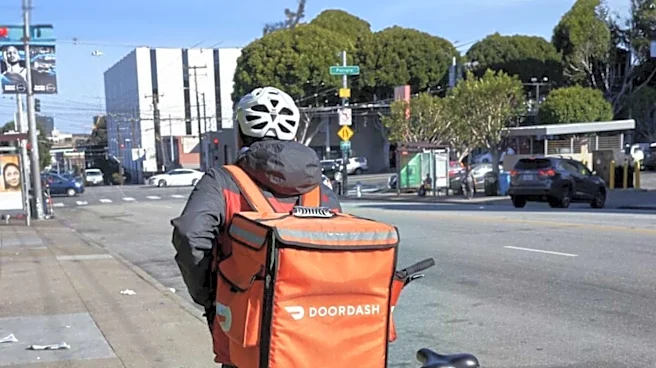
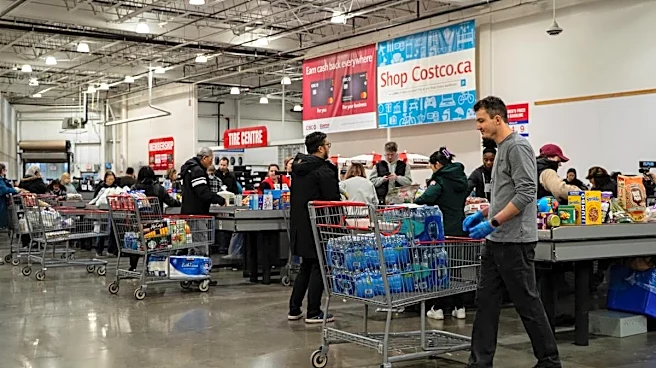
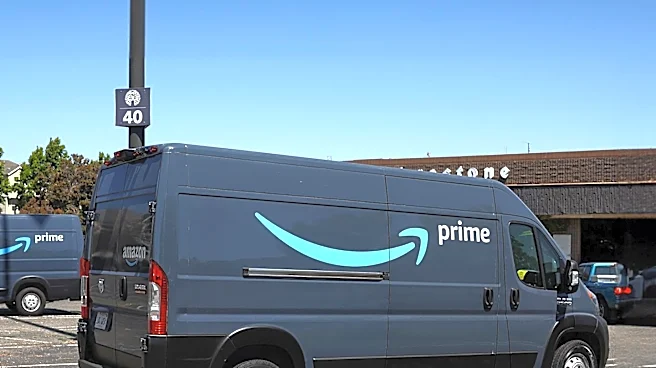
Costco has significantly expanded its same-day delivery options across the United States by partnering with DoorDash and Uber Eats. DoorDash now offers same-day delivery from every Costco warehouse in the U.S., while Uber Eats has expanded its Costco delivery service
from 17 states to 47 states, covering nearly 600 locations. These partnerships allow Costco members to order a wide range of products, including groceries, pantry staples, household essentials, electronics, seasonal merchandise, and Kirkland Signature products, for on-demand or scheduled delivery. Customers need a Costco membership to utilize these services through the DoorDash and Uber Eats apps. Delivery fees vary, and DashPass members on DoorDash receive free delivery on eligible orders. Uber Eats is also offering special deals for Costco members, such as discounts on Uber One memberships and a limited-time offer for those purchasing a Costco membership through the Uber Eats platform. Costco has maintained a delivery partnership with Instacart since 2013, which allows non-members to order, albeit potentially at higher prices.
Why It's Important?
This nationwide expansion of Costco's delivery services through major platforms like DoorDash and Uber Eats is a significant development in the U.S. retail and e-commerce landscape. It addresses the growing consumer demand for convenience and same-day delivery, a trend accelerated by the COVID-19 pandemic. For Costco, these partnerships allow them to tap into a broader customer base and enhance their competitive edge against other retailers offering similar services. The move also provides a new revenue stream for DoorDash and Uber Eats, strengthening their position in the rapidly expanding online grocery delivery market. The requirement for a Costco membership for DoorDash and Uber Eats orders reinforces the value of Costco's membership model while making its bulk products more accessible. This expansion also highlights the increasing importance of strategic alliances between traditional retailers and technology-driven delivery services to meet evolving consumer expectations and logistics challenges in the modern retail environment.
What's Next?
The expanded partnerships between Costco, DoorDash, and Uber Eats are likely to intensify competition in the U.S. online grocery and bulk retail delivery market. Other warehouse clubs and large retailers may follow suit by strengthening their own delivery networks or forming similar alliances to avoid losing market share. We can anticipate further innovations in delivery logistics, such as more efficient routing, improved order fulfillment technologies, and potentially new subscription models that bundle delivery services with other benefits. The focus on member-exclusive deals, like those offered by Uber Eats for Costco members, suggests a trend towards integrating loyalty programs with delivery services to enhance customer retention. Additionally, the increased volume of large-item deliveries from Costco warehouses will likely prompt discussions and developments regarding the treatment and working conditions of delivery drivers, as highlighted by organizations like the Association for Delivery Drivers, ensuring that the expansion benefits all stakeholders.
Beyond the Headlines
The widespread availability of same-day delivery for bulk items from retailers like Costco through platforms such as DoorDash and Uber Eats has several deeper implications. It further normalizes the expectation of immediate gratification in consumer culture, potentially influencing purchasing habits towards larger, less frequent orders. This shift could impact local grocery stores and smaller businesses that may struggle to compete with the logistical capabilities and pricing of large-scale delivery operations. Environmentally, the increase in delivery vehicles on the road raises concerns about traffic congestion and carbon emissions, prompting a need for more sustainable delivery solutions in the future. Socially, the convenience of having bulk items delivered to one's doorstep could alter community dynamics, as fewer people might visit physical stores, potentially reducing incidental social interactions. Furthermore, the data collected from these extensive delivery networks offers valuable insights into consumer behavior, which could be leveraged for highly targeted marketing and product development, raising questions about data privacy and consumer autonomy.