


What's Happening?
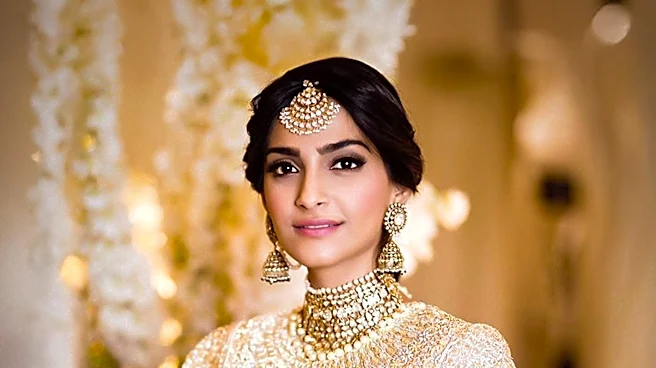
The Indian wedding market, valued at $130 billion, is increasingly influenced by wedding stylists who act as gatekeepers for luxury brands. Indians reportedly spend almost twice as much on weddings as on education, with 8 to 10 million weddings annually.
This significant expenditure has led luxury brands, both local and international, to seek collaborations with these stylists to capture the attention of ultra-high-net-worth Indian families. Brands like Bvlgari have created specific products, such as a reimagined mangalsutra, while Elie Saab utilizes platforms like Vogue India’s Wedding Atelier to reach this demographic. Mac Cosmetics recently launched an Indian bridal campaign, 'Forever in Mac,' featuring model Tania Shroff and supermodel Ujjwala Raut, styled by creative director Nicola Formichetti. Stylists like Nisha Kundnani, who founded Bridelan in 2015, and Anaita Shroff Adajania, a staple in India's fashion scene, are advising wealthy families on wedding attire, including brand discovery.
Why It's Important?
The emergence of Indian wedding stylists as crucial intermediaries highlights a significant shift in how luxury brands access and influence a lucrative market. For U.S. and international luxury brands, understanding and engaging with these stylists is becoming essential for market penetration and growth in India. The substantial spending on Indian weddings presents a unique economic opportunity, and stylists are now dictating trends and brand choices for a high-spending consumer base. This trend underscores the importance of localized marketing strategies and the power of influential figures in niche markets. Brands that successfully partner with these stylists can gain a competitive edge, while those that fail to adapt may miss out on a substantial revenue stream. The focus on personalized styling and curated experiences also reflects a broader consumer trend towards authenticity and bespoke services, which can inform strategies in other luxury markets.
What's Next?
Luxury brands are expected to intensify their collaborations with Indian wedding stylists, potentially leading to more exclusive partnerships, co-created collections, and targeted marketing campaigns. The role of these stylists will likely expand, further solidifying their position as key decision-makers in the Indian luxury wedding sector. We may see an increase in specialized training programs for wedding stylists and a greater emphasis on their editorial and curatorial expertise. The success of brands like Bvlgari and Mac Cosmetics in tailoring their offerings to the Indian market suggests that more international brands will follow suit, adapting their products and marketing to resonate with local cultural nuances and consumer preferences. This could also lead to the development of new platforms and events designed to connect luxury brands directly with these influential stylists.
Beyond the Headlines
The rise of Indian wedding stylists reflects a deeper cultural and economic phenomenon: the increasing professionalization of personal services within high-net-worth communities. This trend extends beyond fashion, influencing areas like event planning, interior design, and travel. Ethically, it raises questions about the influence of gatekeepers in shaping consumer choices and the potential for exclusivity to create barriers for smaller brands. Legally, it could lead to more complex contractual agreements between brands and stylists, particularly concerning intellectual property and brand representation. Culturally, it signifies the evolving nature of Indian weddings, which are becoming more elaborate and globally influenced, yet still deeply rooted in tradition. This shift also highlights the growing economic power of India's affluent class and their demand for highly personalized, expert-driven services, setting a precedent for luxury markets worldwide.