







What's Happening?
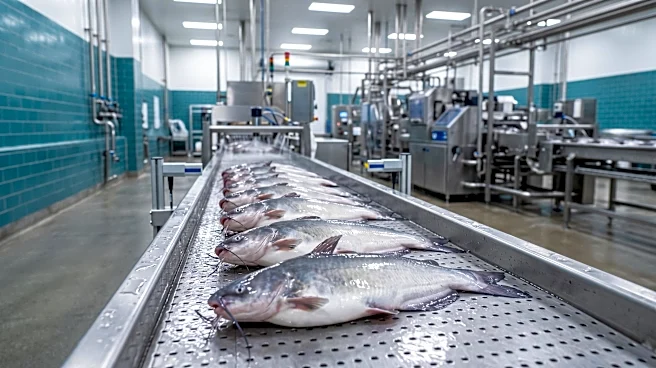
The Meat and Poultry Processing Expansion Program (MPPEP) is offering grants under Phase 3 Round 2 to support processors of invasive, wild-caught catfish species in the United States. This initiative aims to expand processing capacity, increase economic
opportunities, and strengthen rural communities. The program specifically targets businesses involved in harvesting and processing these invasive species, connecting environmental management with economic development. The estimated total funding for this round is $6 million, with individual awards ranging from $50,000 to $2 million. Projects are expected to increase processing capacity and volume, improve incomes for fishers and processors, and create fair wages and stable, safe employment opportunities at processing facilities. The deadline for applications is December 7, 2026.
Why It's Important?
This grant opportunity is significant for several reasons. Environmentally, it addresses the challenge of invasive catfish species, which can negatively impact ecosystems. By incentivizing their harvest and processing, the program provides an economic pathway to manage these populations. Economically, it aims to strengthen supply chains within the meat and poultry processing sector, particularly for fish. This can lead to increased processing options for producers and create new revenue streams for fishers and processors. For rural communities, the program is designed to stimulate economic development by creating stable employment opportunities with fair wages, thereby improving local economies. The focus on expanding processing infrastructure also helps to reduce reliance on external processing facilities, fostering more localized and resilient food systems.
What's Next?
Eligible organizations, including Native American tribal organizations, for-profit businesses, and various government entities, are encouraged to apply for the grants by the December 7, 2026 deadline. Successful applicants will implement projects focused on expanding their capacity to process invasive, wild-caught catfish. This will lead to an increase in the volume of these fish being processed, contributing to both environmental management and economic growth. The program anticipates that these projects will generate economic benefits throughout the processing supply chain, from fishers to processors, and will create new jobs in rural areas. The long-term success of this initiative will be measured by its ability to sustainably manage invasive catfish populations while simultaneously boosting local economies and providing stable employment.
Beyond the Headlines
This program represents a strategic approach to addressing a complex issue by intertwining environmental conservation with economic development. Beyond the immediate benefits of increased processing capacity and job creation, it highlights a broader trend of leveraging market-based solutions to tackle ecological problems. By creating a commercial value for an invasive species, the program encourages its removal from natural habitats, turning a threat into an economic resource. This model could potentially be applied to other invasive species challenges, offering a sustainable and economically viable method for environmental management. Furthermore, the emphasis on fair wages and safe working conditions within the processing facilities underscores a commitment to equitable economic growth, ensuring that the benefits of this initiative are shared broadly within the communities involved.