






What's Happening?
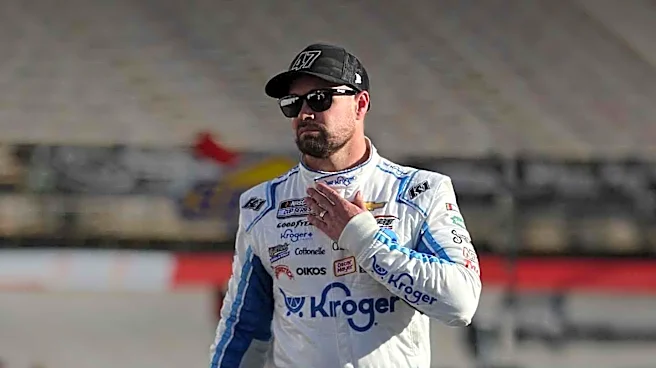
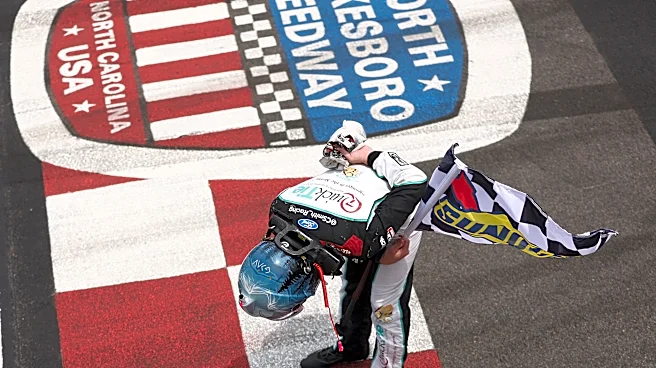
Chandler Smith emerged victorious in the NASCAR Craftsman Truck Series race at North Wilkesboro Speedway, overcoming extreme heat conditions to secure his second win of the season. Smith led 105 of the 250 laps, finishing with an 8.479-second lead over his teammate
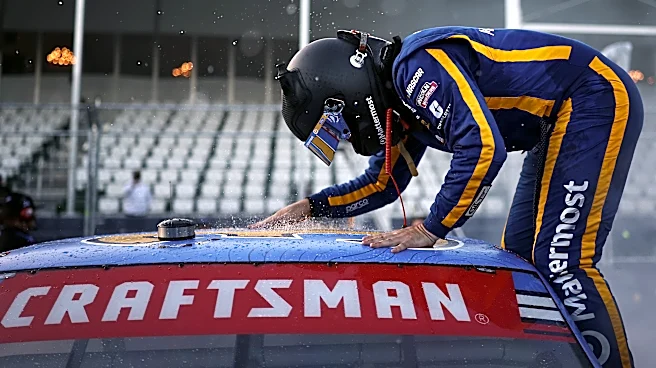
Layne Riggs. This victory marks the largest short-track win margin in the series since its inception in 1995. The race, held during the FaithFest 250, was characterized by a heat index exceeding 100 degrees, which posed significant challenges for drivers. Despite the oppressive conditions, Smith maintained his lead from lap 146 to the finish, employing a strategy focused on tire management. The intense heat affected several drivers, with some requiring medical attention post-race due to the extreme temperatures.
Why It's Important?
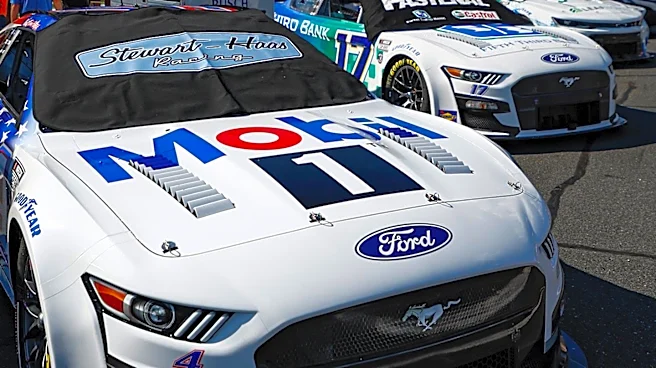
Smith's victory not only highlights his skill and strategy in challenging conditions but also underscores the resilience required in motorsport. The extreme heat conditions tested the physical limits of the drivers, emphasizing the importance of endurance and preparation in racing. This win contributes to Ford's six victories this year, showcasing the competitiveness of Front Row Motorsports. The race also draws attention to the potential need for improved safety measures and cooling technologies in racing vehicles to better protect drivers in extreme weather conditions. The event's outcome could influence future race scheduling and safety protocols, considering the impact of weather on driver performance and safety.
What's Next?
Following this race, NASCAR may consider reviewing its safety protocols and vehicle cooling systems to better accommodate extreme weather conditions. The performance of Smith and his team could lead to strategic adjustments by competitors aiming to enhance their own race strategies. Additionally, the success of Front Row Motorsports this season may prompt other teams to analyze and possibly emulate their approach to vehicle setup and race strategy. As the season progresses, the focus will likely remain on how teams adapt to varying track conditions and weather challenges.
Beyond the Headlines
The race at North Wilkesboro highlights broader discussions about climate change and its impact on outdoor sports, including motorsport. As global temperatures rise, the frequency of extreme weather events could increase, necessitating adaptations in sports scheduling and safety measures. This event serves as a reminder of the interconnectedness of sports and environmental factors, potentially influencing future policy decisions within NASCAR and other racing organizations. The emphasis on driver safety and vehicle technology may lead to innovations that could benefit the broader automotive industry.