





What's Happening?
Streetwear is characterized by specific garment construction rather than merely a logo or brand. Originating in the late 1970s and early 1980s from surf, skate, and hip-hop cultures in California and New York, it involves casual clothing sold in small
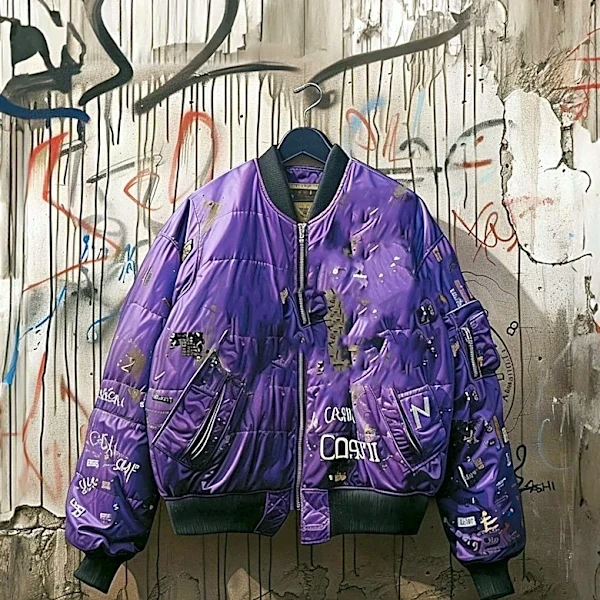
'drops' instead of seasonal collections. Key defining features include a boxy block where body width is close to body length, dropped shoulders, heavier fabric weights (e.g., 380 GSM and up for hoodies, 230-280 GSM for tees), deep ribbing on cuffs and hems, and textured decoration like puff print or embroidery. These elements ensure the garment hangs well and maintains its shape, distinguishing it from standard retail blanks with prints. The aesthetic encompasses subgenres such as skatewear, hypebeast, techwear, gorpcore, and workwear-influenced styles, all sharing a common grammar of loose fit, heavy cloth, and cultural signaling.
Why It's Important?
This detailed definition of streetwear is crucial for both consumers and emerging brands in the U.S. fashion industry. For consumers, understanding these construction codes helps differentiate authentic streetwear from generic apparel, informing purchasing decisions and appreciating the craftsmanship involved. For new brands, it provides a blueprint for successful product development, emphasizing that fit, fabric, and construction are paramount. The 'drop' model, characterized by small, limited releases, is also significant as it allows new brands to test designs, manage inventory efficiently, and build a community around scarcity, which is a consequence of genuine demand rather than an artificial strategy. This approach minimizes financial risk for startups and fosters a direct-to-consumer relationship, impacting how fashion businesses operate and scale within the competitive U.S. market.
What's Next?
The continued evolution of streetwear will likely see brands further refining these construction principles while adapting to changing consumer preferences and sustainability demands. Manufacturers like NO FUGAZI, which specialize in small-batch production and offer services without requiring a tech pack, will play a vital role in supporting new designers. This model allows for iterative design and production, where initial small drops inform subsequent, larger runs based on sales data and community feedback. The emphasis on quality materials and specific cuts suggests a future where streetwear continues to command premium pricing due to its inherent design and production complexity, rather than just brand recognition. Brands will also need to navigate the balance between maintaining exclusivity through drops and meeting broader market demand.
Beyond the Headlines
The evolution of streetwear reflects broader cultural shifts, moving from niche subcultures to a dominant force in mainstream fashion. Its emphasis on comfort, durability, and a distinct aesthetic challenges traditional high fashion norms. The 'cultural signaling' inherent in streetwear means that clothing acts as a form of identity and belonging, fostering communities around shared styles and values. This phenomenon also highlights the democratization of fashion, where trends can emerge from grassroots movements rather than solely from established design houses. The focus on tangible quality—heavy fabrics, specific cuts, and textured decorations—also speaks to a consumer desire for authenticity and longevity in clothing, potentially influencing sustainable practices within the industry by valuing well-made, lasting garments over fast fashion.