
What's Happening?
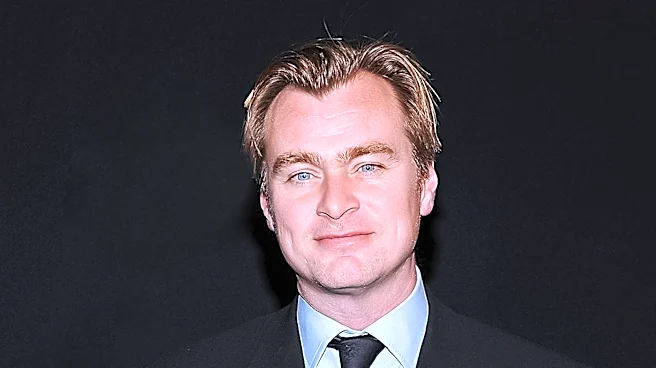
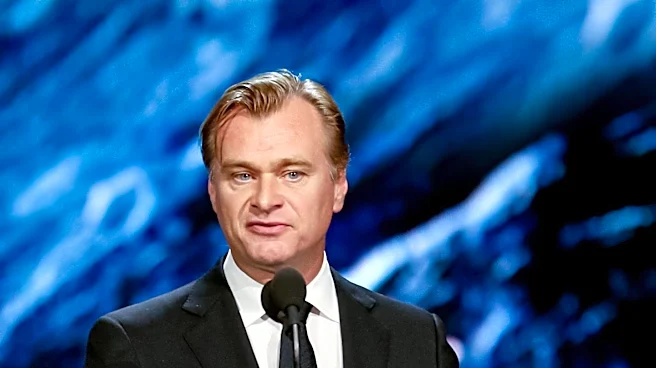
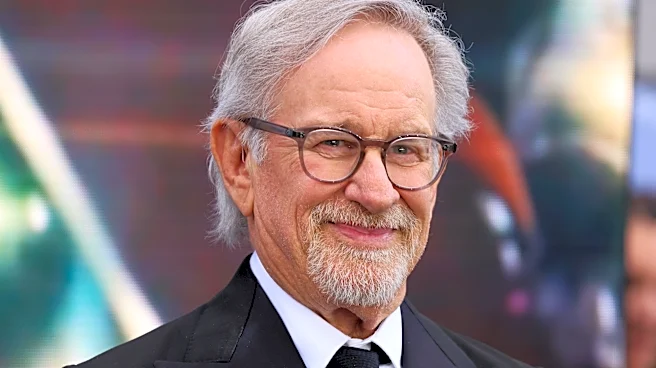
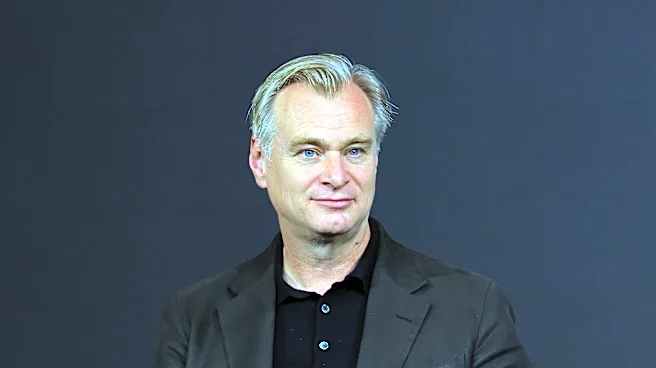
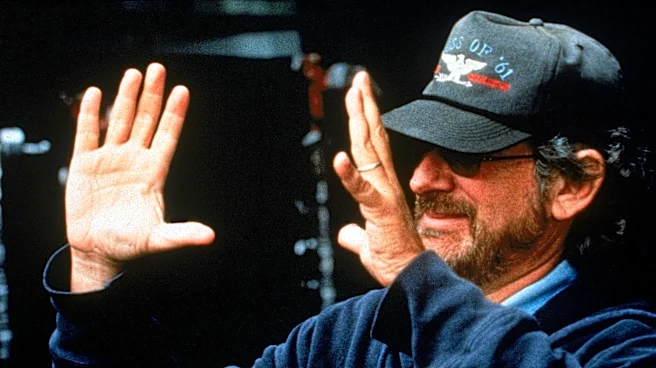
During a question-and-answer session at the DGA Theater in Los Angeles, Steven Spielberg urged Christopher Nolan to direct a film adaptation of 'The Iliad' as a follow-up to Nolan's 'The Odyssey'. This
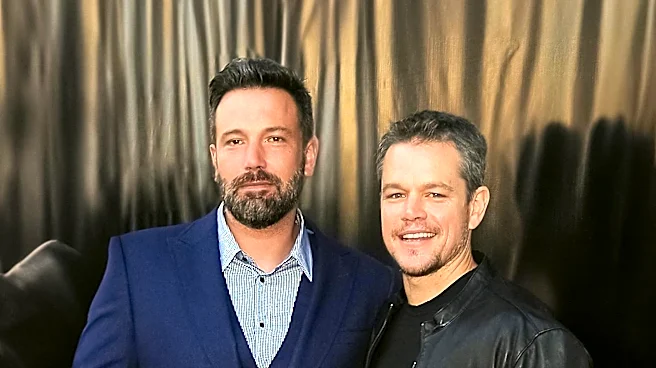
suggestion came during a series of screenings organized by Universal Pictures. Nolan had previously come close to directing 'Troy', a 2004 epic loosely based on 'The Iliad', which starred Brad Pitt, Eric Bana, and Orlando Bloom. Nolan was initially slated to direct 'Troy' after Wolfgang Petersen developed it, but Petersen's schedule cleared, allowing him to return to the project, leaving Nolan without the role. Nolan discussed this near-miss in a 2025 interview with Empire magazine, expressing his long-standing interest in exploring the world of 'The Iliad', particularly how he would have handled elements like the Trojan horse. 'Troy' focuses on events preceding 'The Odyssey', with Sean Bean playing Odysseus, a role Matt Damon took in Nolan's 'The Odyssey'.
Why It's Important?
This interaction between two highly influential directors highlights the ongoing fascination with classical literature in contemporary cinema and the potential for major cinematic projects. Spielberg's public encouragement could significantly influence Nolan's future directorial choices, potentially leading to a high-profile adaptation of 'The Iliad'. Such a film, directed by Nolan, would likely attract substantial critical and commercial attention, given his reputation for ambitious and visually stunning storytelling. For the film industry, a project of this scale could generate significant employment and economic activity. It also underscores the enduring appeal of epic narratives and their capacity to be reinterpreted for modern audiences, potentially sparking renewed interest in ancient Greek literature among a broader public. The involvement of such prominent figures also reinforces the cultural significance of film as a medium for storytelling.
What's Next?
While Nolan has not officially committed to directing 'The Iliad', Spielberg's suggestion places the idea firmly in the public discourse and potentially in Nolan's future considerations. Nolan's past interest in the subject matter, as evidenced by his near-involvement with 'Troy', suggests that the concept is not entirely new to him. Future developments could include Nolan publicly addressing Spielberg's suggestion, or studios potentially approaching him with proposals for an 'Iliad' adaptation. The success of 'The Odyssey' would likely play a role in the feasibility and timing of such a project. If Nolan were to take on 'The Iliad', it would undoubtedly be a multi-year endeavor, involving extensive pre-production, filming, and post-production, and would be eagerly anticipated by film enthusiasts and scholars alike.
Beyond the Headlines
The conversation between Spielberg and Nolan delves into the deeper implications of cinematic legacy and the interpretation of foundational texts. 'The Iliad' is a cornerstone of Western literature, and a Nolan adaptation could offer a unique, perhaps darker or more psychologically complex, perspective on the Trojan War. This could spark academic discussions about fidelity to source material versus artistic interpretation. Furthermore, the idea of a director like Nolan, known for his intricate narratives and practical effects, tackling such an ancient epic could redefine how classical stories are presented on screen, moving beyond traditional historical dramas. It also raises questions about the role of established filmmakers in guiding the creative directions of their peers and the industry as a whole, fostering a sense of mentorship and shared artistic vision within Hollywood.