





What's Happening?
New York City is experiencing a surge in office-to-residential conversion projects, with conversion starts rising from 1.6 million square feet in 2023 to 5 million square feet in 2025, and a forward pipeline estimated at 9.8 million square feet. This
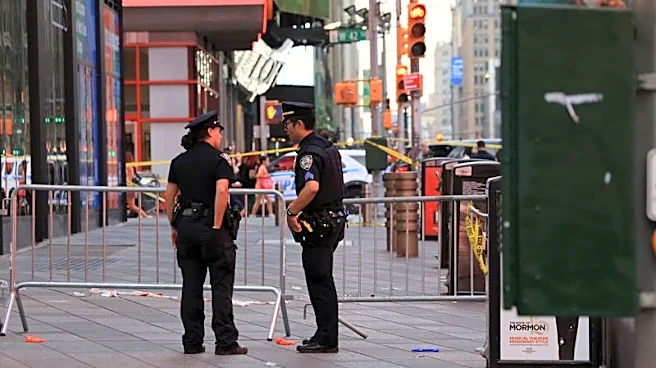
trend aims to address the city's housing shortage by repurposing vacant office buildings. However, these projects are encountering significant structural challenges. A notable incident occurred in July when two structural columns buckled on the 21st floor of the former Pfizer headquarters in Midtown Manhattan, a building being converted into approximately 1,600 apartments. This event led to the evacuation of thousands and prompted city officials to stabilize the structure. Following this, city inspection crews conducted a review of 180 other construction sites, including 24 office-to-residential conversions, finding issues at some properties and ordering partial or full construction halts at three other Manhattan conversion projects due to problems like concrete beam cracks and unapproved modifications.
Why It's Important?
The challenges faced by office-to-residential conversions in New York City highlight the complexities and risks associated with repurposing aging infrastructure. While these conversions offer a potential solution to urban housing shortages and the increasing vacancy rates in commercial real estate, the structural integrity of older buildings presents significant hurdles. The incident at the former Pfizer headquarters underscores the critical need for rigorous engineering assessments and construction oversight to ensure public safety. The increased scrutiny and temporary halts on other projects could lead to delays and increased costs for developers, potentially impacting the viability and pace of future conversions. This situation also raises questions about the long-term sustainability of relying on such conversions as a primary strategy for urban development and housing solutions, especially in densely populated areas with older building stock.
What's Next?
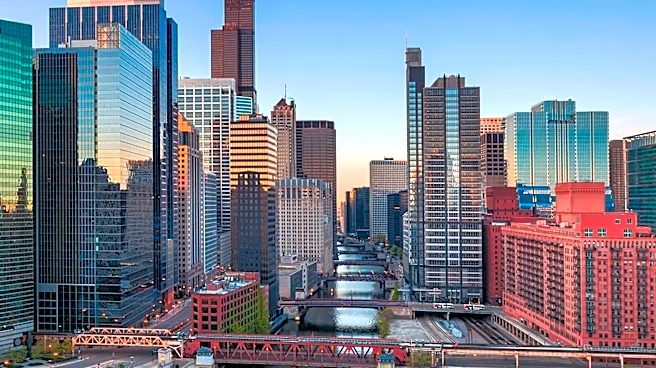
It remains uncertain whether the incident at the former Pfizer building will have a lasting impact on the national office-to-residential conversion movement. While New York City officials initially established a 'frozen zone' around the affected building, which has since reopened, a criminal inquiry has been initiated by the Manhattan district attorney. Despite these challenges, office-to-residential conversions across the country are projected to produce over 90,000 housing units by early 2026, a 28% increase from 2025. Officials in other major cities, including Chicago and Washington, D.C., have expressed confidence in their oversight and inspection procedures, indicating that they are not currently delaying projects for additional inspections. Developers will likely face heightened scrutiny and potentially more stringent regulatory requirements in New York City, which could influence project timelines and financial models for future conversions.
Beyond the Headlines
The ongoing issues with office-to-residential conversions in Manhattan reveal deeper implications beyond immediate structural concerns. The push for these conversions is driven by a confluence of factors, including a persistent housing crisis and a surplus of vacant office space, exacerbated by shifts in work patterns. However, the inherent difficulties in adapting commercial structures, originally designed for different loads and layouts, into residential units are becoming increasingly apparent. This situation could lead to a re-evaluation of urban planning strategies, potentially shifting focus towards new construction or more targeted adaptive reuse projects that are less structurally demanding. Furthermore, the incidents could prompt a broader discussion on the responsibilities of developers, contractors, and city regulatory bodies in ensuring the safety and longevity of such ambitious urban transformation projects, potentially influencing building codes and inspection protocols nationwide.