







What's Happening?
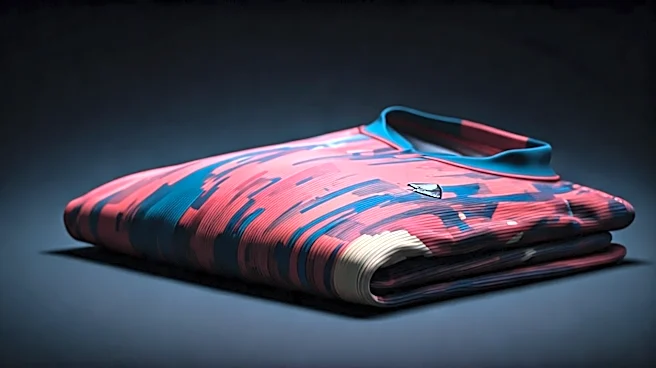
Hot pink has become a prominent color in the World Cup, with players and officials frequently seen wearing it. This trend reflects a broader acceptance of the color in sports, traditionally associated with femininity. The rise of pink in football is attributed
to its visibility and appeal, with brands like Nike and Adidas incorporating it into their designs. The color's popularity is also linked to its cultural significance, as seen in the 'Barbiecore' trend.
Why It's Important?
The adoption of hot pink in the World Cup signifies a shift in cultural perceptions of color in sports. It challenges traditional gender norms and highlights the evolving nature of sports fashion. This trend also reflects the influence of branding and marketing strategies in sports, as vibrant colors like pink enhance visibility and appeal to a broader audience. The acceptance of pink in a male-dominated sport like football indicates a growing inclusivity and diversity in sports culture.
Beyond the Headlines
The use of pink in sports could lead to broader discussions about gender norms and inclusivity in athletics. It may encourage other sports to embrace non-traditional colors, promoting diversity and challenging stereotypes. This trend also highlights the role of fashion in sports, as athletes increasingly become style icons and influencers. The cultural impact of this shift could extend beyond sports, influencing fashion and societal perceptions of color and gender.