






What's Happening?
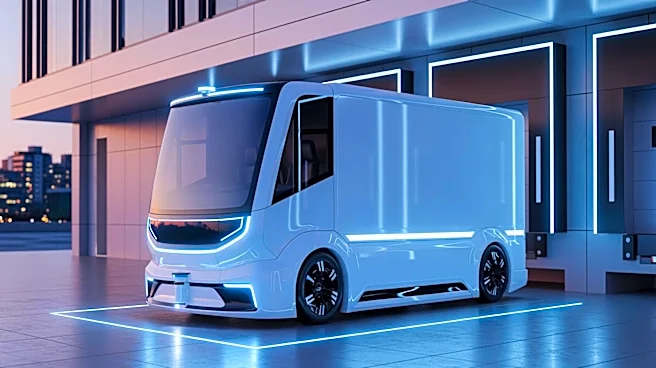
PepsiCo has partnered with Gatik to expand autonomous freight operations across its North American supply chain, marking the largest commercial rollout of its kind. This initiative aims to enhance supply chain efficiency and reliability. Concurrently,
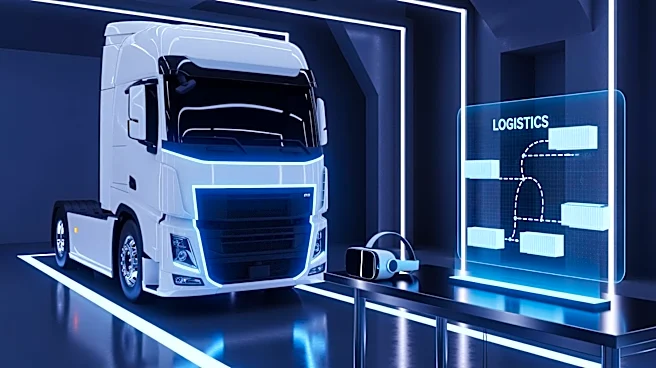
Schneider National is integrating virtual reality (VR) and advanced simulators into its driver training programs to improve safety and readiness. These technologies are designed to enhance hazard awareness and procedural accuracy among drivers, ultimately reducing accidents and improving operational efficiency.
Why It's Important?
The adoption of autonomous freight and VR training represents significant advancements in the trucking industry, addressing critical challenges such as driver shortages and safety concerns. By leveraging these technologies, companies like PepsiCo and Schneider can improve supply chain efficiency, reduce operational costs, and enhance driver safety. This shift towards automation and advanced training methods is crucial for maintaining competitiveness in a rapidly evolving logistics landscape, where efficiency and safety are paramount.
What's Next?
As these technologies are further integrated, we can expect broader adoption across the logistics industry. Companies will likely continue to explore and implement innovative solutions to enhance operational efficiency and safety. The success of these initiatives could lead to increased investment in autonomous and VR technologies, driving further advancements in the trucking sector. Additionally, regulatory frameworks may evolve to accommodate these new technologies, ensuring safe and efficient implementation.