





What's Happening?
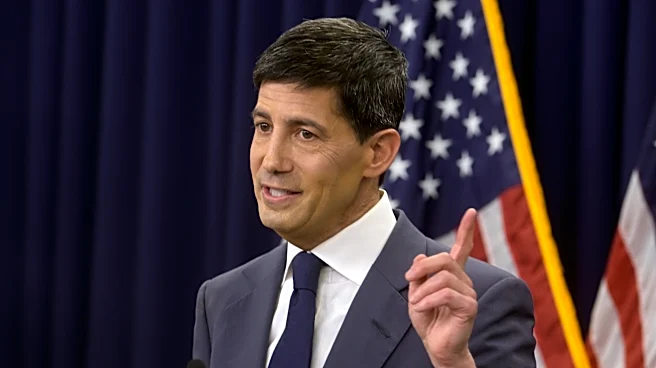
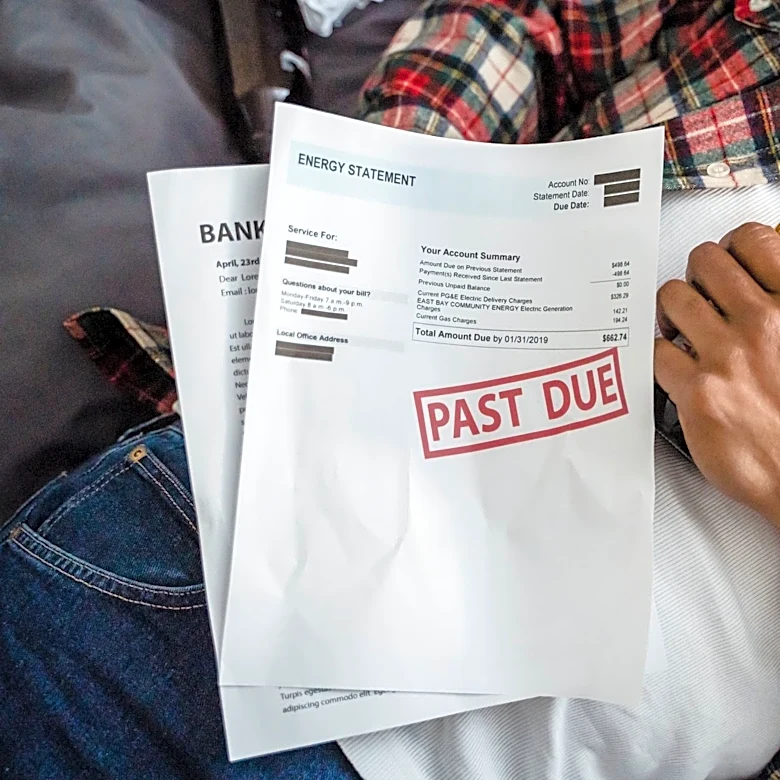
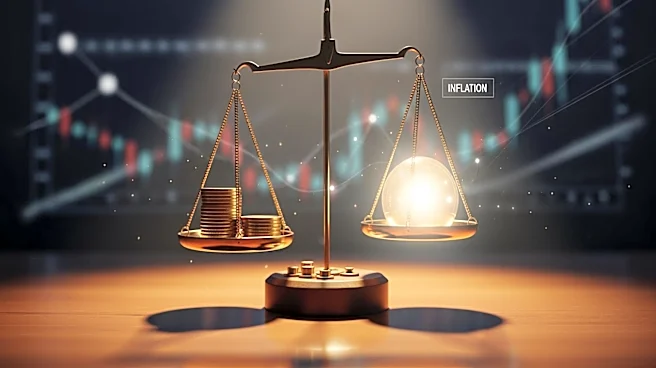
Federal Reserve Chairman Kevin Warsh's recent press conference has led to a significant selloff in gold prices, as investors interpreted his remarks as hawkish. Warsh emphasized the Fed's commitment to restoring price stability, describing inflation as a burden
on American households. However, Rebecca Ivaldi, a market strategist at FCT Capital Partners, argues that the market may be overestimating the Fed's willingness to maintain a restrictive monetary policy. Ivaldi suggests that Warsh's comments on housing markets and skepticism towards traditional inflation measures indicate a potentially less restrictive policy path. She also highlights Warsh's initiative to improve the Fed's data-gathering framework, which could reveal that underlying inflation pressures are less severe than current data suggests.
Why It's Important?
The Federal Reserve's approach to inflation and monetary policy has significant implications for the U.S. economy and global markets. A hawkish stance could lead to higher interest rates, affecting borrowing costs and economic growth. However, if the Fed's policy is less restrictive than anticipated, it could stabilize markets and support economic recovery. For gold investors, the Fed's policy direction is crucial, as it influences gold demand and prices. Ivaldi's analysis suggests that despite short-term market reactions, structural forces such as geopolitical developments and non-dollar trade arrangements continue to support long-term gold demand.
What's Next?
The Federal Reserve's future policy decisions will be closely watched by investors and economists. Warsh's emphasis on data-driven decision-making suggests that upcoming economic data releases will play a critical role in shaping the Fed's actions. Market participants will also monitor geopolitical developments and their impact on global capital flows, which could influence gold demand. As the Fed navigates inflation challenges, its ability to balance price stability with economic growth will be pivotal in determining the broader economic landscape.