





What's Happening?
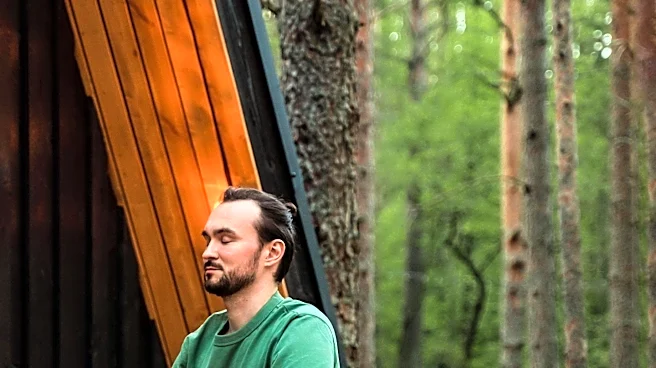
The Eha wellness retreat, located on the Estonian island of Hiiumaa, is offering a distinctive approach to wellness rooted in local traditions and landscape. Unlike typical retreats found in sunny or mountainous regions, Eha leverages Estonia's unique
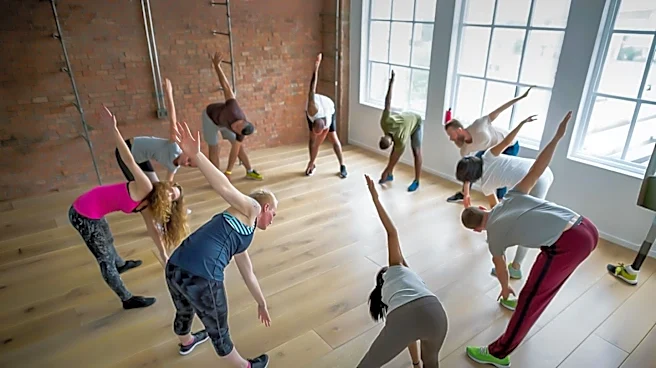
environment and cultural heritage. The retreat's structure, including its architecture and programming, is designed to reflect the ancient beliefs and natural elements of Hiiumaa. Guests receive a schedule upon arrival that balances structured activities like morning workouts, meals, and treatments with ample free time for relaxation. The programming is organized around Hiiumaa's five seasons, including 'Springrise,' a period between winter and spring, with each season influencing the food, wellness treatments, exercise classes, and guided experiences. For instance, during Autumn, practices focus on grounding and preparing for rest, incorporating sound bath sessions, lymphatic drainage massages, and traditional sauna whisks using birch twigs. The culinary experience, led by chef Peeter Pihel, exclusively uses ingredients sourced from the island, creating Michelin-level dishes served buffet-style for breakfast and lunch, and family-style for dinner.
Why It's Important?
The Eha retreat's emphasis on local culture and seasonal programming offers a novel model for the global wellness industry, which often gravitates towards more conventional settings. By grounding its offerings in Estonian traditions and the unique landscape of Hiiumaa, Eha provides a distinct experience that could attract a niche market of travelers seeking authentic cultural immersion alongside wellness. This approach highlights the potential for other regions to develop wellness tourism that is deeply integrated with their local heritage, rather than adopting generic wellness trends. The focus on locally sourced, seasonal food also underscores a growing consumer demand for sustainable and regionally specific culinary experiences within the hospitality sector. For the U.S. market, this could influence the development of more culturally integrated wellness offerings, encouraging a shift from standardized luxury to experiences that reflect local identity and environmental consciousness.
What's Next?
The success of Eha's culturally integrated and seasonally focused model could inspire similar developments in the wellness tourism sector globally. Other regions, including those within the U.S., might explore how to incorporate their unique cultural narratives, indigenous practices, and local environments into wellness programs. This could lead to a diversification of wellness offerings, moving beyond generic spa treatments to more immersive and educational experiences. The emphasis on local sourcing for cuisine and traditional practices could also set new standards for sustainability and authenticity in the industry. Future trends may see an increase in demand for retreats that offer a deeper connection to the local environment and culture, prompting existing and new wellness centers to re-evaluate their programming and operational models to include more localized and seasonal elements.
Beyond the Headlines
The Eha retreat's design and philosophy, which includes a no-phone, no-shoes policy and a communal living environment, suggest a deeper implication for how individuals engage with wellness. By gently compelling guests to step away from routine habits and digital distractions, Eha aims to foster a sense of solace and connection to the present moment and the natural environment. This approach addresses the broader societal challenge of digital overload and the constant pressure of modern life, offering a space for genuine disconnection and introspection. The integration of ancient beliefs, such as the story of the North Star, into the retreat's narrative also highlights the enduring human need for meaning and connection to heritage. This blend of modern wellness practices with deep cultural roots could influence a more holistic understanding of well-being, where physical health is intertwined with mental, emotional, and spiritual connection to one's environment and history.