







What's Happening?
WTM London 2026 convened industry leaders to discuss the future of tourism, revealing key trends shaping the global travel industry. The event, which launched the Global Travel Report in partnership with Tourism Economics, highlighted a shift towards
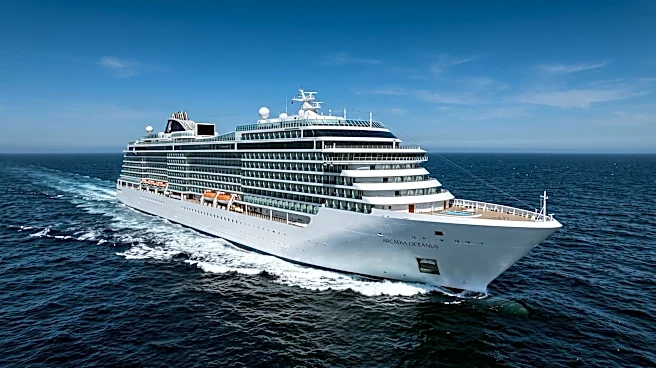
experience-driven tourism, luxury travel, and the increasing adoption of artificial intelligence (AI). Consumer preferences are changing, with a growing demand for personalized travel experiences. Despite declining consumer spending power, 60% of surveyed travelers expressed interest in luxury holidays, prioritizing unique experiences. Immersive experiences are also influencing the cruise industry, with companies like Century Cruises expanding operations to include culinary and cultural offerings. Accessible tourism is gaining traction, exemplified by the Spanish Tourist Office's hotel guidance initiative. Technology, particularly AI, is being adopted to automate customer inquiries, allowing staff to focus on complex needs, though experts caution that AI lacks human 'taste' and factual accuracy.
Why It's Important?
These emerging trends signify a fundamental transformation in the travel industry, impacting how businesses operate and how consumers plan their trips. The shift towards experience-driven and personalized travel means that generic offerings will likely lose appeal, pushing companies to innovate and tailor their services. The continued demand for luxury, even amidst economic challenges, indicates a segment of travelers willing to pay for exclusive and high-quality experiences. The integration of AI, while promising for efficiency, also raises questions about maintaining human connection and ensuring accuracy, which are critical for customer satisfaction. For U.S. travel businesses, adapting to these trends is crucial for competitiveness. Those that successfully leverage AI for operational efficiency while preserving authentic human interaction and offering unique, personalized experiences will be better positioned for growth. The focus on accessible tourism also presents an opportunity to tap into a broader market segment and enhance inclusivity.
What's Next?
The travel industry is expected to continue its rapid evolution, with further integration of AI and a stronger emphasis on personalized and immersive experiences. Travel businesses will likely invest more in data analytics to understand and cater to individual traveler preferences. The cruise industry, for example, will likely expand its unique itinerary offerings, focusing on cultural and culinary immersion. Accessible tourism initiatives are anticipated to grow, driven by both consumer demand and regulatory pushes for inclusivity. The role of AI will expand in areas like customer service automation and trip planning logistics, but human oversight will remain essential for ensuring accuracy and delivering nuanced experiences. Industry players will need to balance technological advancements with the human element, recognizing that emotional engagement and meaningful interactions are increasingly valued by travelers. Collaboration between technology providers and travel companies will be key to developing effective and ethical AI solutions.
Beyond the Headlines
The discussions at WTM London 2026 reveal a deeper philosophical shift in the value proposition of travel. The concept of 'access, not excess' for luxury travel, and the idea that 'time is the new luxury,' suggest a move away from conspicuous consumption towards more meaningful and efficient use of resources. This could lead to a re-evaluation of what constitutes 'value' in travel, prioritizing unique experiences, personal growth, and connection over mere opulence. The caution regarding AI's limitations, particularly its lack of 'taste' and potential for factual inaccuracies, highlights the enduring importance of human creativity, discernment, and empathy in crafting truly exceptional travel experiences. This suggests that while technology will streamline logistics, the art of hospitality and the human touch will remain irreplaceable, potentially leading to a premium placed on services that offer genuine human interaction and curated insights.