






What's Happening?
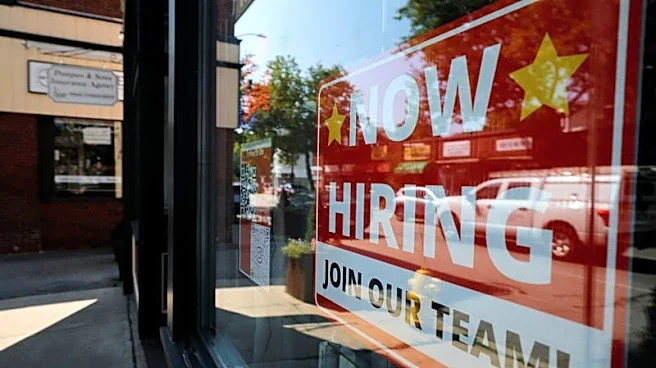
In June, U.S. employers added 57,000 jobs, marking a slowdown from previous months and falling short of the expected 115,000 jobs. The unemployment rate decreased slightly to 4.2% from 4.3% in May. This slowdown in hiring comes after a period of robust
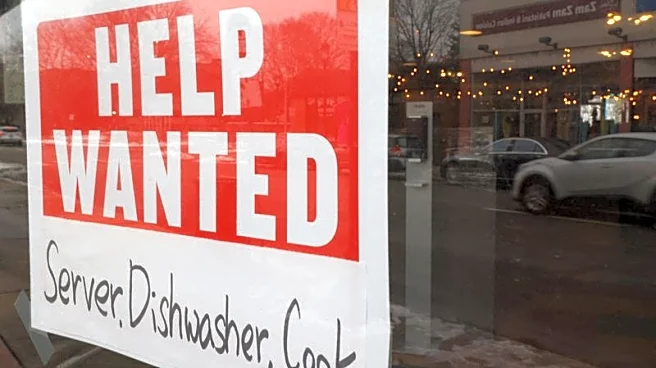
job growth, with the previous three months each seeing gains of over 100,000 jobs. The leisure and hospitality sector experienced a notable decline, losing 61,000 jobs, while professional and business services, social assistance, and health care sectors saw continued growth. Average hourly earnings rose by 3.5% year-over-year, but this increase was negated by inflation.
Why It's Important?
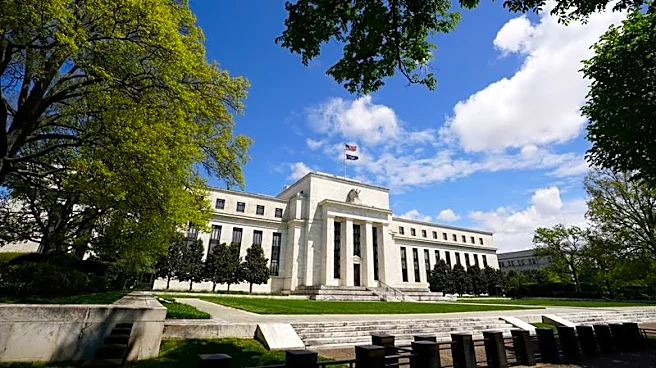
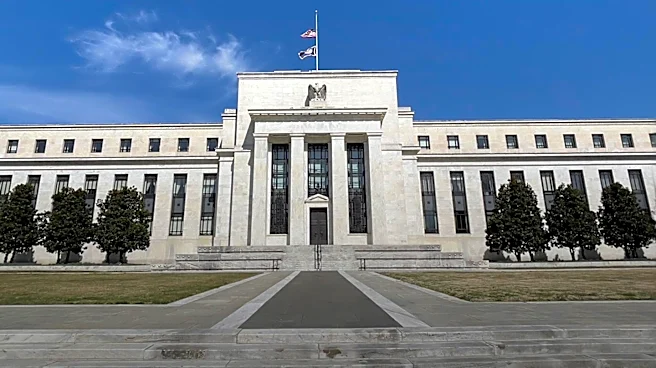
The slower job growth could influence the Federal Reserve's approach to interest rates, as it may reduce the likelihood of a rate hike in the near term. This is significant for investors and the broader economy, as interest rate decisions impact borrowing costs, consumer spending, and business investment. The data also highlights ongoing challenges in the labor market, particularly in sectors like leisure and hospitality, which are typically strong during the summer months. The report's findings may prompt policymakers to reassess economic strategies to support job creation and address inflation concerns.
What's Next?
The Federal Reserve's upcoming meeting will be pivotal in determining whether interest rates will remain steady or be adjusted. Market participants will be closely watching for any signals from the Fed regarding their economic outlook and policy direction. Additionally, future employment reports will be critical in assessing the health of the labor market and guiding economic policy decisions.