



What's Happening?
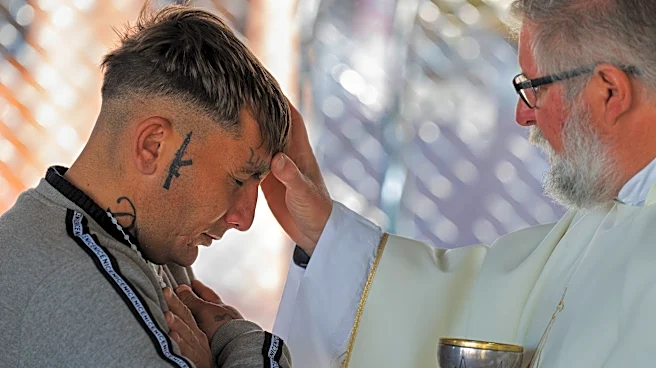
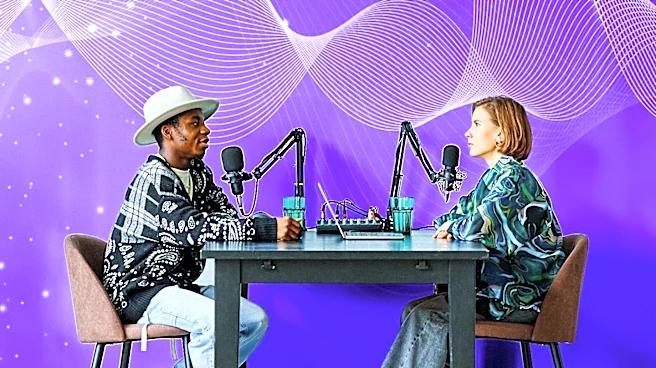
Pastor Josh Howerton, host of BlazeTV and pastor of Lakepointe Church, has publicly criticized the 'Call Her Daddy' podcast, hosted by Alex Cooper, for what he deems as damaging advice regarding divorce. During an October 21 episode, Cooper and guest
Sophia Bush discussed divorce, with Bush stating that women can always find a better partner and that it's never too late to leave a marriage. Howerton argues that this advice is statistically false and harmful, particularly to young women. He compared the podcast's influence on women to Andrew Tate's influence on men, suggesting Cooper's advice might be more detrimental. Howerton emphasized that such advice disregards the impact on men, children, and the women whose lives might be negatively affected by following it. He also pointed out Sophia Bush's marital history, noting her three marriages, two of which were short-lived, as a reason to question her advice on relationships.
Why It's Important?
This critique highlights a growing concern about the influence of popular media, particularly podcasts, on personal life decisions such as marriage and divorce. The 'Call Her Daddy' podcast is noted as the most-listened-to podcast by American women, giving its content significant reach and potential impact. Howerton's comments underscore a cultural debate about the sources of relationship advice and the qualifications of those offering it. The pastor's warning suggests a perceived erosion of traditional values concerning marriage and family, contrasting with the podcast's more modern, individualistic approach to relationships. This situation could fuel discussions among religious communities, family counselors, and media critics about the responsibility of content creators and the discernment required by audiences when consuming such advice.
What's Next?
The criticism from Pastor Howerton may prompt further discussion within religious and conservative media circles regarding the content of popular podcasts aimed at women. It could also lead to increased scrutiny of relationship advice offered by influencers and celebrities on digital platforms. Audiences, particularly young women, might be encouraged to critically evaluate the sources of their relationship guidance. It remains to be seen if Alex Cooper or Sophia Bush will respond to Howerton's specific criticisms, or if the podcast will address the broader implications of the advice it offers. This event could also spark more conversations about the role of faith leaders in commenting on mainstream media and cultural trends.
Beyond the Headlines
Beyond the immediate controversy, this situation touches upon deeper societal shifts in how individuals, especially women, approach marriage and personal fulfillment. The podcast's message, as interpreted by Howerton, reflects a broader cultural narrative that prioritizes individual happiness and self-empowerment, even if it means dissolving traditional commitments. This contrasts sharply with more conservative views that emphasize perseverance in marriage and family stability. The debate also highlights the evolving landscape of mentorship and role models, with digital personalities increasingly influencing personal decisions, sometimes overshadowing traditional community or religious figures. This dynamic raises questions about the long-term societal implications of advice disseminated through highly accessible, yet often unregulated, digital platforms.