



What's Happening?
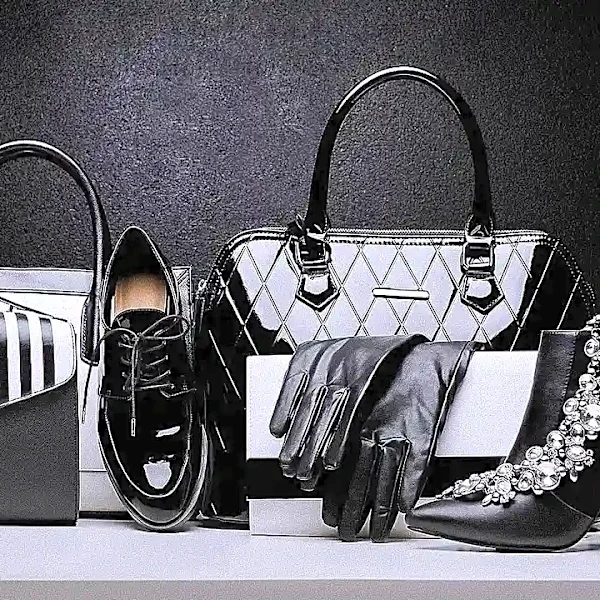
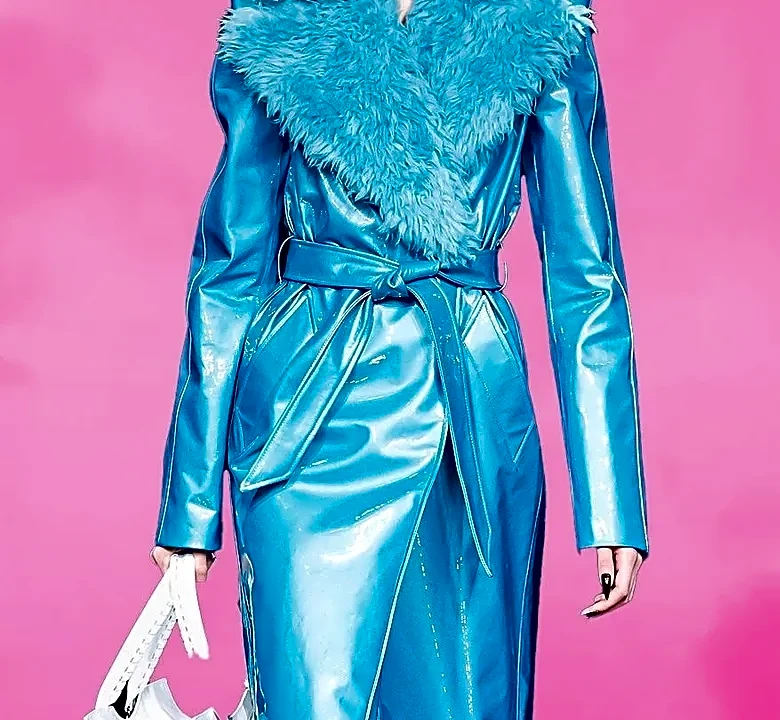
Global fashion platform SSENSE has launched a curated page dedicated to Korean fashion brands, featuring 28 different designer labels. This initiative is part of a broader trend seeing increased interest and sales of K-fashion in international markets,
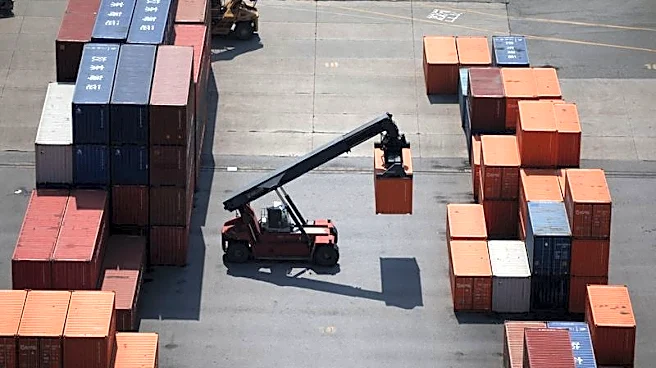
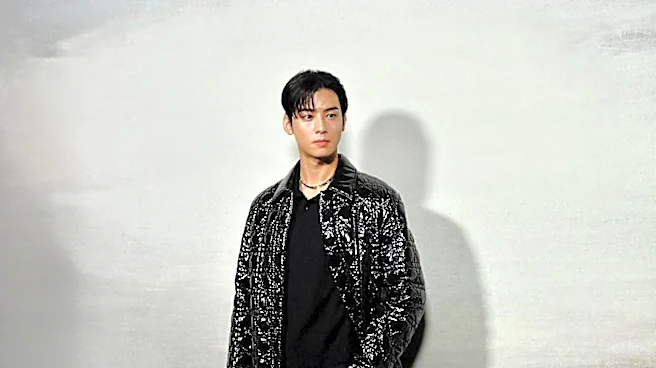
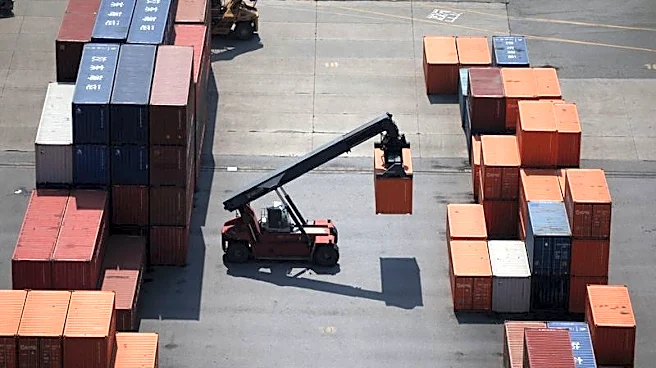
including the United States and Europe. U.S. retailer Urban Outfitters is also actively selling Korean brands such as Yes Eye See and Anglan, highlighting their origins from the 'Streets of Seoul' and connecting them to the city's indie music and streetwear culture. This strategic marketing leverages the global popularity of K-pop, which has significantly boosted interest in Korean fashion. Overseas retailers are increasingly using K-pop idols' outfits and sales rankings on Korean online platforms like W Concept and 29CM as marketing tools to introduce these brands to local consumers. The trend is further supported by a substantial increase in exports of Korean clothing and bags, with a 21.3% year-on-year growth rate in the second quarter, reaching $742.10 million.
Why It's Important?
The growing presence of Korean fashion brands on major U.S. retail platforms like SSENSE and Urban Outfitters signifies a significant shift in the American fashion market. This trend provides U.S. consumers with greater access to diverse international styles, potentially influencing local fashion trends and consumer preferences. For U.S. retailers, embracing K-fashion can attract new customer segments, particularly younger demographics who are highly engaged with K-pop and Korean culture. This also opens up new avenues for collaboration and competition within the fashion industry, encouraging innovation and diversification of product offerings. The increased demand for Korean fashion could lead to more direct partnerships between U.S. and Korean businesses, fostering economic exchange and cultural integration. Furthermore, the success of K-fashion in the U.S. market demonstrates the power of cultural phenomena like K-pop in driving consumer behavior and shaping global retail landscapes.
What's Next?
The continued success of Korean fashion in the U.S. market is likely to encourage more American retailers to explore and integrate K-fashion brands into their inventories. This could lead to an expansion of dedicated K-fashion sections in stores and online, as well as increased marketing efforts tailored to highlight the unique cultural aspects of these brands. We may also see more direct investments and partnerships between U.S. fashion companies and Korean designers, potentially leading to exclusive collections or brand launches. The emphasis on K-pop influence in marketing is expected to intensify, with retailers potentially collaborating with K-pop artists or leveraging their endorsements to further boost sales. Additionally, the growth in K-fashion exports suggests a sustained economic impact, with potential for job creation and increased trade between the U.S. and South Korea in the fashion sector. The trend could also inspire U.S. designers to incorporate elements of Korean streetwear and design into their own collections.
Beyond the Headlines
The rise of K-fashion in the U.S. is more than just a commercial trend; it reflects a deeper cultural exchange and the increasing globalization of consumer tastes. This phenomenon highlights the significant soft power of Korean culture, particularly K-pop, in influencing global markets and shaping perceptions of style and innovation. Ethically, it raises questions about cultural appropriation versus appreciation, as U.S. retailers and designers integrate Korean aesthetics. Legally, it could lead to increased scrutiny of intellectual property rights for Korean designers as their work gains international prominence. Culturally, the integration of K-fashion into the American mainstream challenges traditional fashion hierarchies and promotes a more diverse and inclusive understanding of global style. This shift could also foster greater cross-cultural understanding and appreciation among consumers, moving beyond superficial trends to a deeper engagement with the origins and narratives behind the clothing.