






What's Happening?
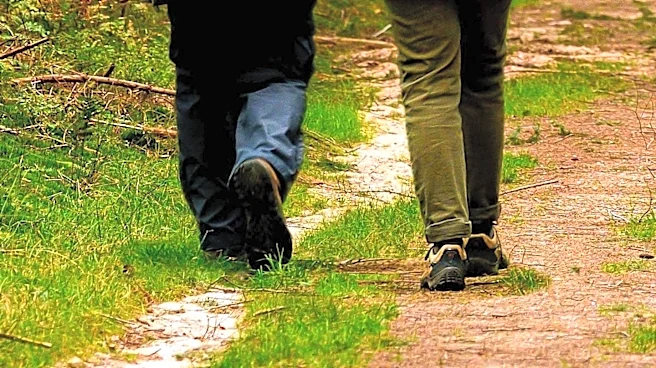
The City of Elgin has opened a new forest therapy trail at its Hawthorne Hill Nature Center, inviting residents and visitors to engage in the practice of 'forest bathing' or Shinrin-yoku. This Japanese-inspired therapy encourages individuals to slow down,
immerse themselves in nature through their senses, and focus on the present moment rather than a destination. The trail is situated within the nature center's 67-acre natural area, which features approximately two miles of looped trails, two ponds, and a nature play area. The initiative aims to provide a peaceful escape from daily stressors and promote mental well-being. Research suggests that spending time in nature can significantly reduce stress, improve mood, and support overall mental health. The trail is accessible year-round, offering diverse natural scenery from spring wildflowers to snow-covered trees. Development of designated 'forest therapy intention stations' is ongoing, with one station already completed. The city is pursuing official certification for the trail through the Association of Nature and Forest Therapy (ANFT), which would make Elgin only the second community in Illinois to operate such a certified trail.
Why It's Important?
The introduction of the forest therapy trail in Elgin signifies a growing recognition of nature-based wellness practices within U.S. communities. This initiative provides an accessible, free resource for mental health support, aligning with increasing public interest in holistic well-being. By offering a structured environment for forest bathing, Elgin is contributing to a broader movement that leverages natural spaces for therapeutic benefits, potentially reducing reliance on traditional healthcare interventions for stress and mood management. The pursuit of ANFT certification underscores a commitment to quality and adherence to established standards in nature therapy, which could serve as a model for other municipalities. This development also highlights the value of public-private partnerships, as the trail's creation has been supported by private donations, volunteer efforts, and community collaborations, demonstrating a collective investment in public health infrastructure.
What's Next?
The City of Elgin will continue developing the remaining forest therapy intention stations along the trail. A critical next step involves the certification assessment by The Conservation Foundation, which is expected to take three to six months. This assessment will evaluate environmental health, accessibility, safety, and trail design, guiding any necessary improvements to meet ANFT certification standards. If successful, Elgin will join a select network of certified forest therapy trails, potentially increasing its appeal as a destination for nature-based wellness. Ongoing maintenance will be integrated into existing city operations, with future enhancements dependent on the assessment's findings and available private funding. The success of this trail could encourage other Illinois communities and nature centers to explore similar initiatives, expanding access to nature therapy across the state and potentially the nation.
Beyond the Headlines
The establishment of Elgin's forest therapy trail reflects a deeper societal shift towards integrating environmental health with human well-being. This initiative moves beyond simple recreational use of parks, positioning natural spaces as vital components of public health infrastructure. Ethically, it promotes equitable access to mental health resources, as the trail is free and designed for broad accessibility, including features like gentle gradients and resting nodes. Legally, the pursuit of ANFT certification could set precedents for how nature-based therapies are recognized and regulated within public health frameworks. Culturally, it fosters a greater appreciation for mindful engagement with the environment, potentially leading to increased environmental stewardship among community members. This trend could also influence urban planning, encouraging the preservation and development of green spaces specifically for their therapeutic value, thereby reshaping how cities design and utilize their natural assets for the long-term health of their populations.