





What's Happening?
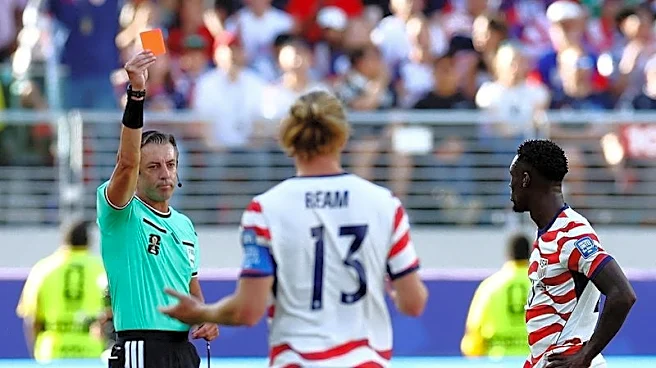
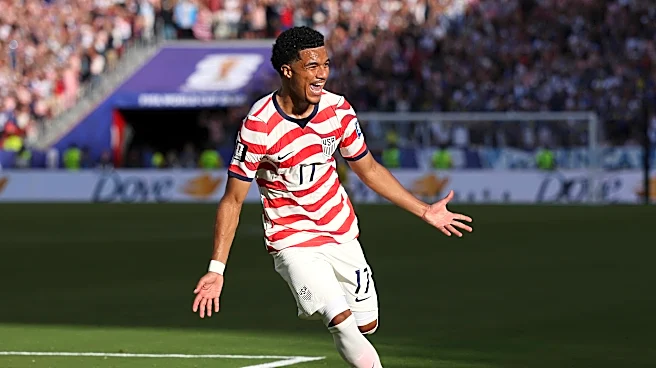
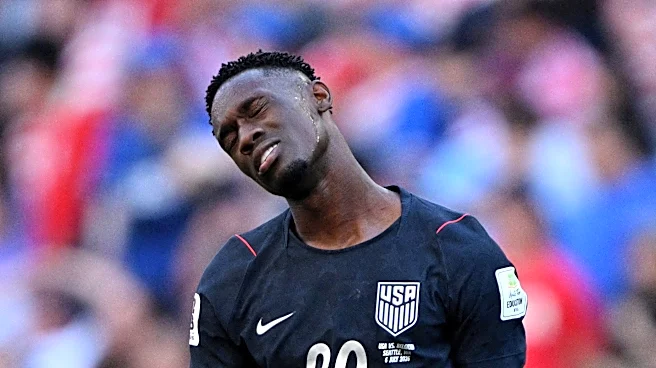
United States striker Folarin Balogun faced controversy after FIFA's disciplinary committee suspended his one-game ban at the World Cup. Balogun was initially dismissed for serious foul play against Bosnia-Herzegovina, which typically warrants an automatic
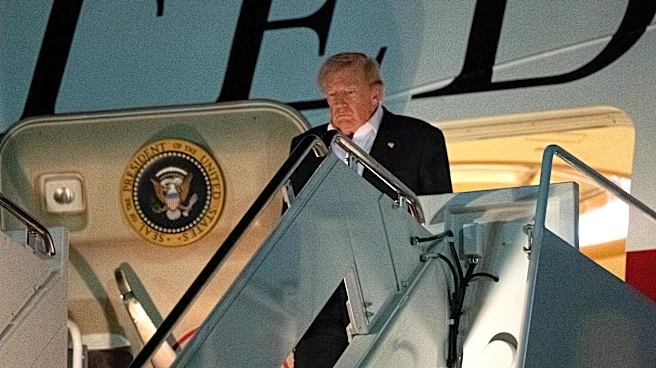
suspension. However, the ban was waived, allowing him to play in the USA's last-16 match against Belgium. This decision, reportedly influenced by lobbying from President Trump and White House officials, was met with widespread condemnation. UEFA described the waiver as 'unprecedented, incomprehensible, and unjustifiable.' Balogun acknowledged the controversy and the nerves it caused among his teammates, but emphasized their professionalism in focusing on the game.
Why It's Important?
The decision to waive Balogun's suspension highlights the influence of political lobbying in international sports, raising questions about fairness and integrity in FIFA's disciplinary processes. The controversy underscores the potential for political interference in sports, which could undermine public trust in governing bodies. For the U.S. team, the decision provided a temporary advantage, but it also brought scrutiny and pressure. The incident may prompt calls for clearer guidelines and more transparency in FIFA's decision-making processes to prevent similar controversies in the future.
What's Next?
The fallout from this decision could lead to increased scrutiny of FIFA's disciplinary procedures and potential reforms to ensure consistency and fairness. The U.S. team's performance and Balogun's role in future matches will be closely watched, as will any further political involvement in sports governance. The incident may also influence how other sports organizations handle disciplinary actions and political lobbying.