


What's Happening?
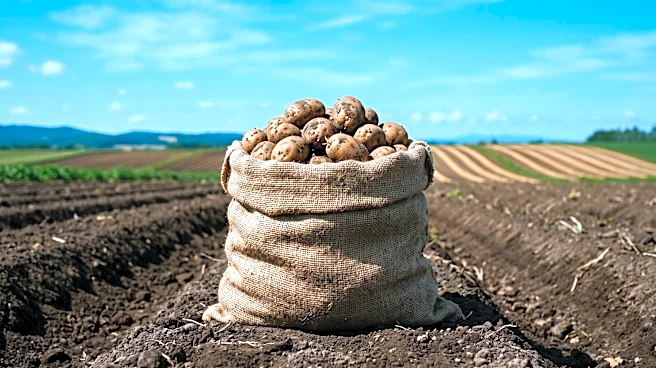
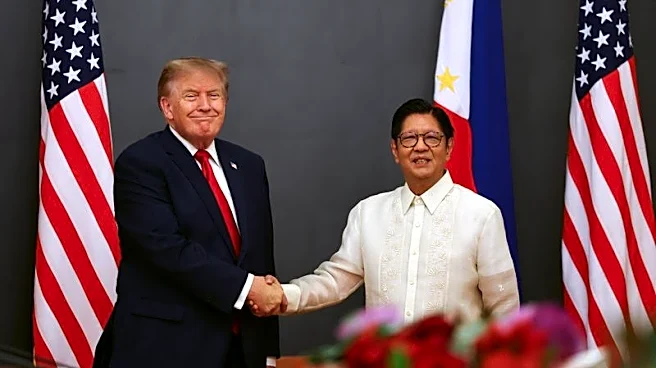
Japan is reportedly moving towards lifting a 76-year-old ban on imported American potatoes, a decision influenced by pressure from President Trump. This potential policy shift would allow fresh American potatoes into Japan for the first time since 1950.
Currently, Japan partially lifted the ban in 2006, permitting U.S. potato imports exclusively for crisp production, under strict conditions requiring sealed containers and high-temperature cooking to prevent pest and disease spread. Japanese potato farmers, particularly in Hokkaido where 80% of the country's potatoes are grown, are strongly opposing the complete lifting of the ban. They express concerns about the threat to their livelihoods, the introduction of harmful insects and pests, and the potential for an inferior product to enter the market. The Japanese government has identified 21 pests and diseases that could pose a risk, with potato cyst nematodes being a primary concern due to their potential to damage crops and remain in soil for over 15 years.
Why It's Important?
The potential lifting of Japan's potato import ban carries significant economic and agricultural implications for both the U.S. and Japan. For American potato growers, it represents a substantial export opportunity, with proponents estimating an additional $150 million annually in export earnings. This could provide a boost to the U.S. agricultural sector, particularly for states with large potato production. Conversely, Japanese potato farmers face considerable economic disruption and a threat to their established market. The introduction of foreign pests and diseases could devastate local crops, leading to long-term agricultural and economic consequences for Japan. The debate also highlights the broader dynamics of international trade negotiations, where political pressure from leaders like President Trump can influence long-standing protectionist policies, potentially benefiting U.S. industries while creating challenges for foreign counterparts.
What's Next?
Japan's new agriculture minister, Arata Takebe, whose constituency is in a prime potato-growing region, has indicated that the plan to lift the ban will require thorough scientific and technical discussions, suggesting that a decision could take 'considerable time.' This indicates that while the process is in motion, immediate changes are unlikely, and further negotiations and assessments are anticipated. Congressional lawmakers in the U.S. have urged President Trump to continue advocating for the ban's removal, signaling ongoing political pressure from the American side. The outcome will depend on the balance between trade liberalization goals and the concerns of Japanese agricultural stakeholders regarding food security and pest control. Demonstrations by Japanese farmers against the proposed expansion of U.S. potato imports are likely to continue, influencing the pace and nature of future policy decisions.
Beyond the Headlines
Beyond the immediate economic and agricultural concerns, this issue touches upon deeper themes of national food security, cultural identity, and the impact of globalization on local industries. For Japan, potatoes, alongside rice, are fiercely protected as homegrown staples, reflecting a broader commitment to self-sufficiency in food production. The fear of introducing foreign pests is not merely an economic concern but also a matter of preserving the integrity of their agricultural ecosystem. The 'potato war' also underscores the complexities of trade relationships between allies, where economic interests can sometimes clash with domestic protectionist sentiments. The resolution of this issue could set a precedent for how Japan balances its trade agreements with its agricultural policies and how other nations respond to similar pressures from major trading partners.