







What's Happening?
Dr. Marina Landau, a dermatologist with Maccabi Healthcare Services, has provided insights into the effectiveness of various home beauty remedies. According to Dr. Landau, many popular DIY treatments, such as using toothpaste on pimples or castor oil
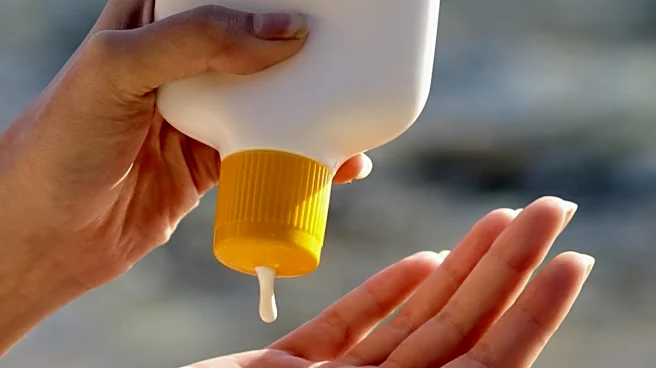
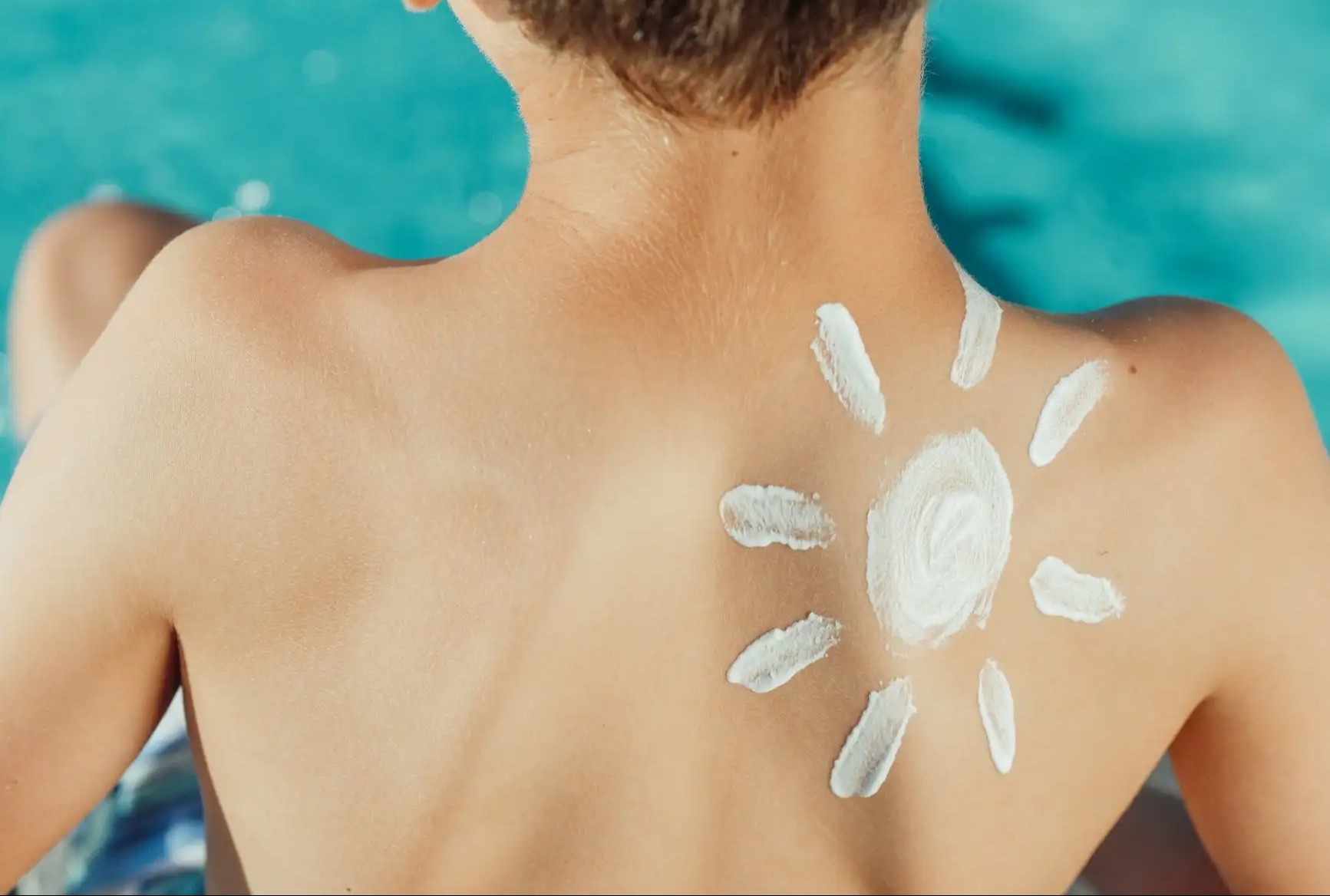
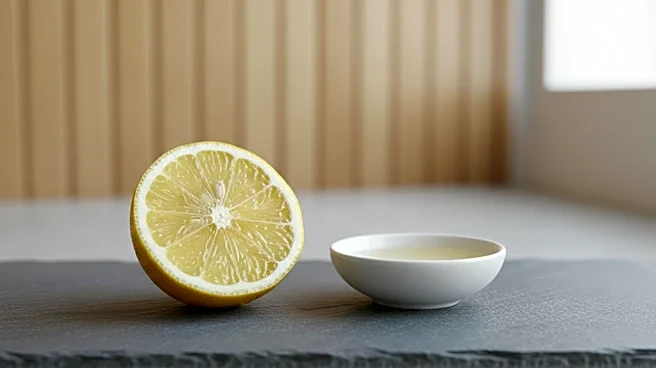
for eyebrow growth, lack scientific backing. While toothpaste can dry out a pimple, it is not a substitute for acne treatment and can cause photoallergic reactions. Similarly, castor oil does not promote hair growth despite popular belief. Dr. Landau also warns against using lemon juice for lightening dark spots, as it can cause phytophotodermatitis, worsening pigmentation. The dermatologist emphasizes the importance of scientific validation over social media trends, noting that influencers often promote unproven remedies. She also highlights the dangers of homemade sunscreens, which offer no real protection against UV rays.
Why It's Important?
The insights provided by Dr. Landau underscore the potential risks associated with relying on unverified home remedies for skincare. As social media influencers gain significant sway over public behavior, there is a growing concern about the spread of misinformation regarding beauty treatments. This trend can lead to adverse skin reactions and ineffective treatments, potentially exacerbating existing conditions. The emphasis on scientifically validated skincare solutions is crucial for public health, as it helps prevent unnecessary skin damage and allergic reactions. Moreover, the warning against homemade sunscreens is particularly significant, as it addresses a critical public safety issue. Without proper sun protection, individuals are at increased risk of skin cancer and other sun-related health problems.
What's Next?
As awareness grows about the limitations and risks of home beauty remedies, there may be increased demand for scientifically backed skincare products. Dermatologists and healthcare professionals are likely to continue advocating for evidence-based treatments and educating the public on the importance of consulting professionals for skincare advice. Additionally, regulatory bodies might consider implementing stricter guidelines for the promotion of beauty products and remedies on social media platforms to curb the spread of misinformation. This could lead to collaborations between healthcare providers and social media companies to ensure that accurate information reaches consumers.
Beyond the Headlines
The discussion around home beauty remedies also touches on broader cultural and ethical issues. The influence of social media on beauty standards and consumer behavior raises questions about the responsibility of influencers in promoting safe and effective products. There is a need for a cultural shift towards valuing scientific evidence over anecdotal success stories. Furthermore, the trend of DIY beauty treatments reflects a desire for natural and accessible solutions, highlighting a gap in the market for affordable, scientifically validated skincare options. Addressing these issues could lead to more informed consumer choices and a reduction in the prevalence of harmful beauty practices.