







What's Happening?
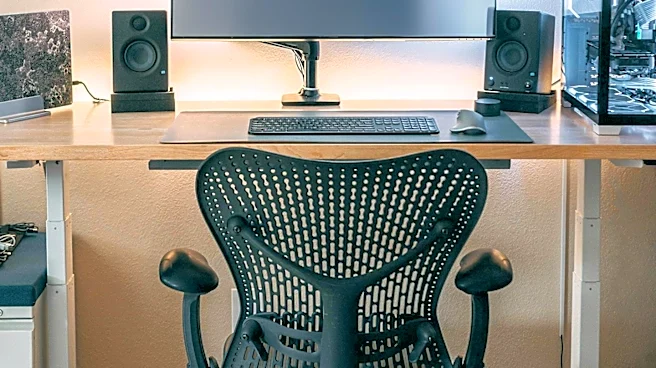
New guidelines emphasize the importance of proper ergonomic setup for home offices to prevent discomfort and strain. Key recommendations include maintaining specific body postures: feet flat on the floor, knees level with hips, lower back supported, forearms
parallel to the floor, and the top of the screen at or slightly below eye level. These positions, as outlined by OSHA, aim to keep joints in a neutral body posture, minimizing strain on the spine, neck, and shoulders. The guidelines also address common issues like incorrect chair height, laptops causing forward head posture, and prolonged static sitting. For laptop users, it is advised to raise the screen to eye level using a stand or books and use an external keyboard and mouse to maintain proper arm and wrist positioning. Regular movement and short breaks every 30 minutes are also highlighted as crucial for overall well-being, as no single position remains comfortable for extended periods.
Why It's Important?
The increasing prevalence of home office work makes these ergonomic guidelines critical for the health and productivity of the U.S. workforce. Improper setups can lead to chronic pain, musculoskeletal disorders, and reduced efficiency, impacting both individuals and employers. By adopting these recommendations, workers can mitigate health risks associated with prolonged sitting and poor posture, such as backaches, neck stiffness, and carpal tunnel syndrome. This can lead to fewer sick days, increased focus, and higher quality work output. Employers also stand to benefit from a healthier workforce, potentially reducing healthcare costs and improving overall employee morale and retention. The emphasis on regular movement underscores a broader shift towards dynamic work environments, recognizing that even an ergonomically perfect static position can be detrimental over time.
What's Next?
Individuals working from home are encouraged to review their current office setups against these ergonomic guidelines and make necessary adjustments. This may involve investing in ergonomic accessories like laptop stands, external keyboards, mice, or footrests. Employers might consider providing resources or training on ergonomic best practices to support their remote teams. Further research into the long-term health impacts of various home office setups and the effectiveness of different intervention strategies is likely to continue. The ongoing evolution of work-from-home models suggests that ergonomic considerations will remain a significant area of focus for public health and occupational safety organizations.
Beyond the Headlines
Beyond immediate physical comfort, the widespread adoption of ergonomic home office practices could foster a cultural shift in how work-life balance and employee well-being are perceived. It highlights the responsibility of both individuals and organizations to create sustainable work environments, even outside traditional office settings. This focus on ergonomics also touches upon the broader issue of digital health, acknowledging the physical toll that technology-intensive work can take. The guidelines implicitly advocate for a more mindful approach to daily routines, encouraging regular breaks and movement, which can have positive ripple effects on mental health and overall lifestyle. This proactive approach to health in the workplace, regardless of location, could set new standards for occupational safety and employee care in the digital age.