





What's Happening?
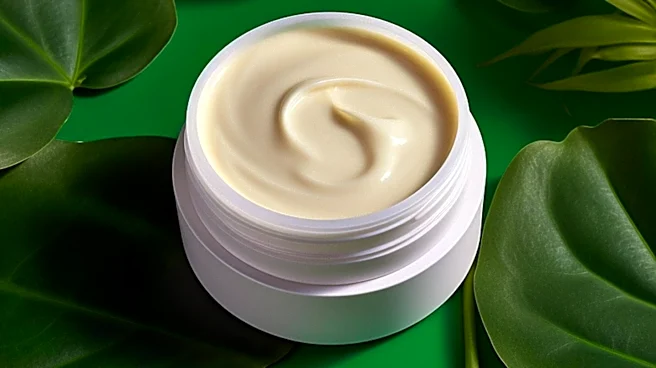
Barrier repair creams are increasingly recognized for their role in restoring and maintaining the skin's natural protective barrier. These creams are formulated with key ingredients such as essential fatty acids, vitamins, and nutrients, which work to hydrate
the skin, reduce dryness, and enhance its ability to retain moisture. Popular examples of these products include Embryolisse Lait-Crème Concentré, Aestura ATOBARRIER365 Cream, Glowery Butter Balm Barrier Restore Balm, Kiehl’s Ultra Facial Advanced Repair Barrier Cream, and La Roche-Posay Cicaplast Balm B5 Multi-Purpose Repairing Balm. These products are designed for daily use or as part of a targeted skincare regimen to address issues stemming from a compromised skin barrier, such as sensitivity, redness, dryness, and flakiness. The skin barrier, the outermost layer of skin, acts as a shield against pollutants, bacteria, and irritants while preventing moisture loss.
Why It's Important?
The growing emphasis on barrier repair creams highlights a significant shift in consumer awareness and the skincare industry's focus towards foundational skin health. A damaged skin barrier can lead to various dermatological issues, including increased sensitivity, inflammation, acne, and persistent dryness. By providing products specifically designed to repair this barrier, the industry is addressing a core need for many individuals experiencing these problems. This trend impacts not only the beauty and personal care market, driving innovation and sales in specialized skincare, but also public health by promoting better skin care practices. Consumers stand to gain from improved skin health and reduced discomfort, while companies that effectively market and formulate these products can see substantial growth. The focus on ingredients like ceramides, fatty acids, and cholesterol, which mimic the skin's natural lipids, underscores a scientific approach to skincare that prioritizes efficacy and long-term benefits.
What's Next?
The market for barrier repair creams is expected to continue expanding as more consumers become educated about the importance of skin barrier health. Skincare brands will likely invest further in research and development to create more advanced formulations, potentially incorporating novel ingredients or delivery systems to enhance efficacy. We may see an increase in dermatologist recommendations for these products, further solidifying their place in mainstream skincare routines. Additionally, the trend could lead to a broader integration of barrier-supporting ingredients into other skincare categories, such as cleansers and serums. Educational campaigns from brands and dermatologists will play a crucial role in informing consumers about how to identify a compromised skin barrier and the benefits of using targeted repair products. The influence of social media, which has already propelled some barrier creams to viral status, will continue to shape consumer preferences and product visibility.
Beyond the Headlines
Beyond the immediate benefits of healthier skin, the rise of barrier repair creams reflects a deeper cultural shift towards a more holistic and preventative approach to wellness. Instead of solely focusing on cosmetic improvements, consumers are increasingly seeking products that address the underlying health of their skin. This trend also highlights the growing influence of scientific understanding in personal care, where ingredients are chosen for their proven biological functions rather than just their perceived luxury. The emphasis on repairing and maintaining the skin barrier can be seen as a metaphor for resilience and protection in an increasingly complex environment, both internal and external. This movement encourages a more mindful consumption of skincare, prompting individuals to understand their skin's needs and choose products that support its natural functions, rather than simply masking symptoms.