


What's Happening?
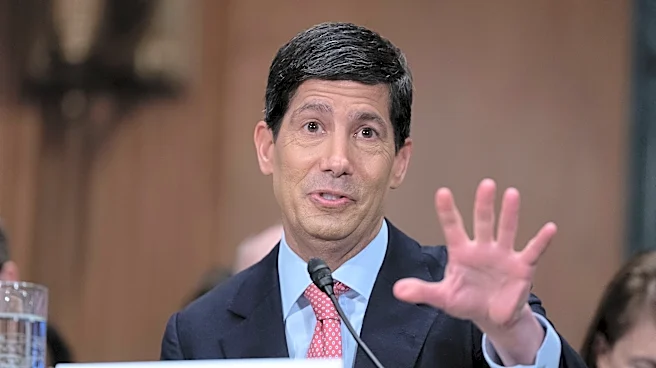
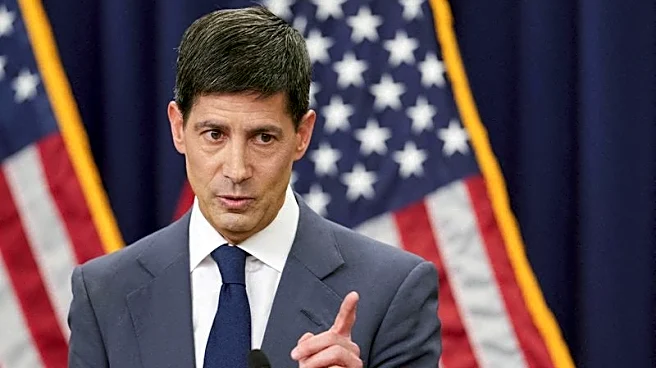
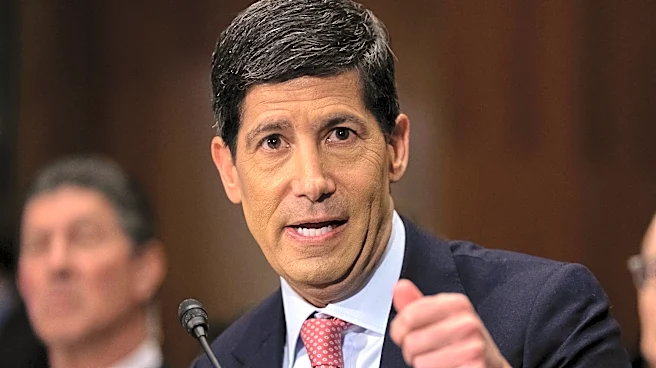
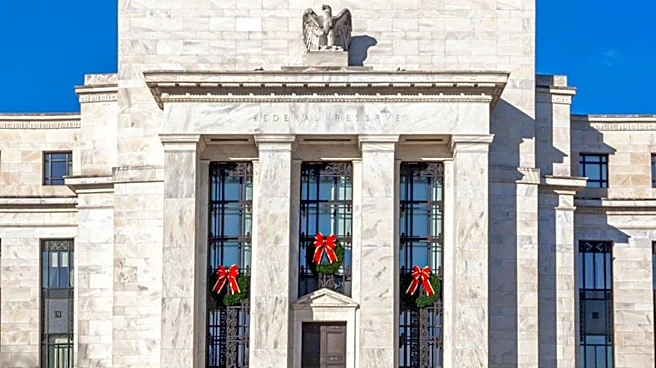
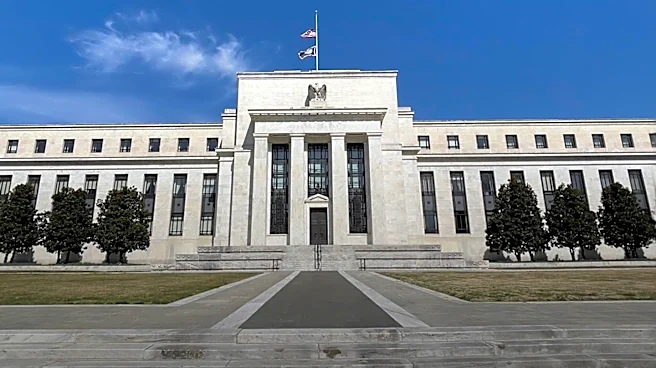
The Federal Reserve, led by Chairman Kevin Warsh, is set to make a critical decision regarding interest rates as it grapples with persistent inflation. The central bank is expected to hold rates steady during its meeting, although there is a possibility
of a rate increase to address inflationary pressures. Warsh, who assumed his role two months ago, has emphasized the Fed's commitment to controlling inflation, which has been a significant burden on American households and businesses. The annual inflation rate reached 4.2% in May, driven by a spike in gasoline prices due to geopolitical tensions. While inflation cooled slightly last month, the Fed remains cautious about the potential need for a rate hike. The decision is further complicated by the impact of artificial intelligence investments on the economy, which Warsh believes could eventually boost productivity but also contribute to rising costs in the short term.
Why It's Important?
The Federal Reserve's decision on interest rates is crucial for the U.S. economy, as it directly affects borrowing costs for consumers and businesses. Holding rates steady could provide relief to the job market, which has shown signs of stability, with low unemployment rates and steady job creation. However, a rate hike could be necessary to prevent inflation from spiraling out of control, which would have adverse effects on purchasing power and economic stability. The Fed's approach to managing inflation will have significant implications for economic stakeholders, including businesses, investors, and consumers, who are all sensitive to changes in interest rates and inflation expectations.
What's Next?
The Federal Reserve's decision will be closely watched by investors and policymakers. If the Fed decides to hold rates steady, it may signal confidence in the current economic recovery and provide a buffer against potential economic shocks. However, if inflation continues to rise, the Fed may be forced to reconsider its stance and implement rate hikes in the future. The ongoing geopolitical tensions and their impact on energy prices will also be a factor in the Fed's future decisions. Additionally, the Fed's task forces on artificial intelligence and other economic factors are expected to provide recommendations by the end of the year, which could influence future monetary policy.