






What's Happening?
Ashley and Andrew Sheets, entrepreneurs from Broken Bow, Oklahoma, have revitalized the long-vacant Dyer Brook General Store in Aroostook, Maine, transforming it into a vintage shop called 'The Rummage.' The couple, who previously owned restaurants and a real
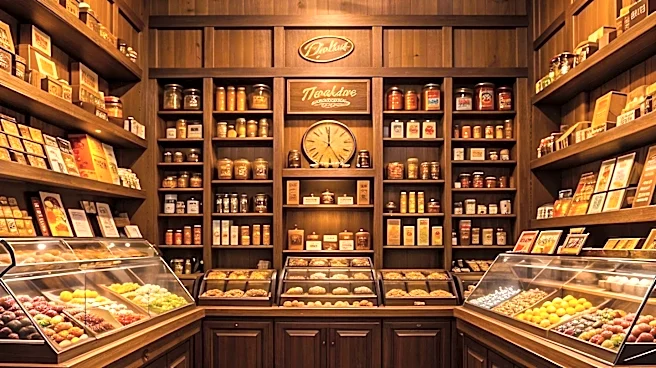
estate business, moved to northern Maine three years ago seeking a slower pace of life away from the crowded tourist town their previous home had become. They purchased the iconic general store, which had been closed since 1969, without a clear plan for its use. Upon discovering numerous antiques and treasures within the building, they decided to open an antique shop. The Rummage now attracts artisans, writers, collectors, and curious visitors searching for unique vintage finds. The Sheets also acquire collections from older Mainers whose families are not interested in inheriting them, preventing these items from going to landfills. They frequently hold 'name your own price' sales for items like books and vinyl records and have expanded their operation to include a 'Pickin Shed' for more rustic items.
Why It's Important?
This initiative by Ashley and Andrew Sheets is important for several reasons. Economically, it represents a successful small business venture that breathes new life into a previously vacant commercial property in a rural area, potentially stimulating local commerce and tourism. The Rummage serves as a hub for community engagement, drawing diverse groups of people to Dyer Brook. Culturally, the shop plays a significant role in preserving local history and heritage by rescuing and rehoming items that might otherwise be discarded. Many of these items carry stories and connections to Maine's past, which the Sheets are committed to sharing. The business model also highlights a growing trend of repurposing and sustainability, offering an alternative to mass-produced goods and reducing waste. Furthermore, the couple's move from a rapidly growing tourist area to a quieter rural setting reflects a broader demographic shift and desire for lifestyle changes, impacting local economies and community dynamics in regions like northern Maine.
What's Next?
The Sheets plan to continue expanding their collection and offerings at The Rummage, potentially integrating more of the vintage art into their newly acquired home next door. They will likely maintain their practice of acquiring collections from local residents, further solidifying their role as a repository for Maine's historical artifacts. The ongoing success of The Rummage could inspire similar revitalization efforts in other rural communities with vacant properties and a wealth of untapped historical items. The couple's commitment to their new life in Maine suggests a long-term investment in the community, potentially leading to further local economic contributions and cultural preservation efforts. Their unique approach to retail, including 'name your own price' sales and the 'Pickin Shed,' may also serve as a model for other small businesses looking to attract a diverse customer base and engage with their community.
Beyond the Headlines
Beyond the immediate success of The Rummage, this story touches on deeper societal trends. The Sheets' decision to leave a thriving real estate business in a crowded tourist town for a quieter life in rural Maine reflects a broader yearning for authenticity and a slower pace of living, a sentiment increasingly shared by many Americans. This 'reverse migration' can have profound impacts on rural communities, bringing new energy, skills, and economic activity. The shop itself is more than just a retail space; it acts as a cultural conservator, preventing historical items from being lost to landfills and connecting people with tangible pieces of the past. This act of 'rescuing treasures' fosters a sense of continuity and appreciation for heritage in an increasingly disposable society. The Rummage also highlights the value of community and personal connection, as the Sheets have found a home and friends, demonstrating how small businesses can become vital social anchors in their localities.