







What's Happening?
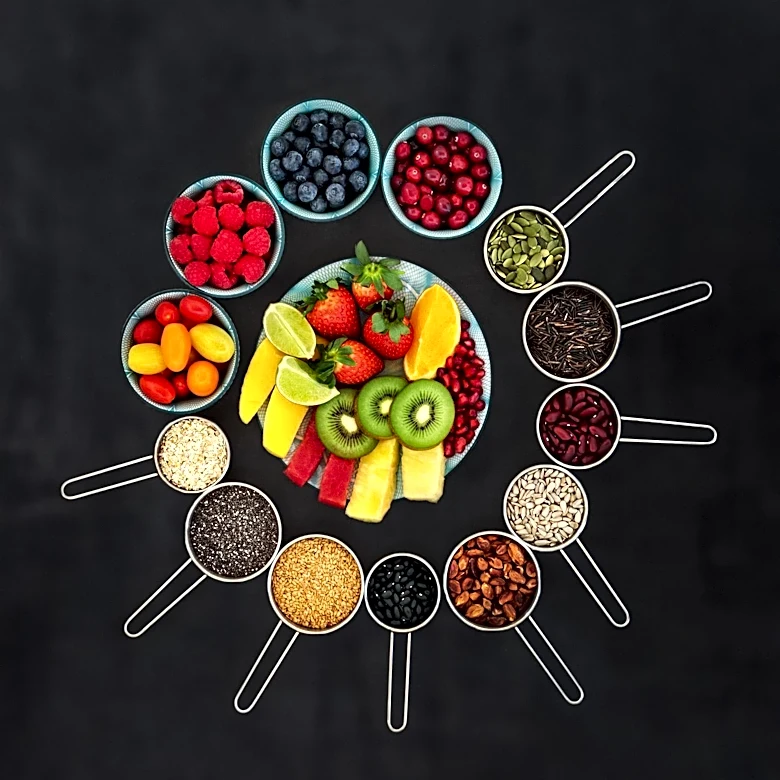
Research on healthy aging consistently indicates that a combination of everyday behaviors, rather than a single transformative solution, contributes to a longer, healthier life. Key practices include a plant-forward diet, regular physical activity, adequate
sleep, avoiding smoking, effective stress management, and maintaining meaningful social relationships. Harvard Health emphasizes that the goal is not merely to extend life but to preserve the energy, mobility, and ability to enjoy those additional years. Genetics account for approximately 25% of lifespan variation, leaving substantial room for lifestyle choices to influence longevity. For instance, U.S. life expectancy rose from 47 years in 1900 to 77.5 years in 2022, primarily due to advancements in medicine, sanitation, and public health, rather than genetic shifts. This highlights the significant impact of environmental factors and personal choices on lifespan.
Why It's Important?
The emphasis on practical, everyday habits for longevity has significant implications for public health initiatives and individual wellness strategies in the U.S. By shifting focus from quick fixes or expensive supplements to sustainable lifestyle changes, healthcare providers and policymakers can promote more accessible and equitable approaches to healthy aging. This understanding can empower individuals to take proactive steps in managing their health, potentially reducing the burden of chronic diseases and healthcare costs. The research underscores that consistent, small choices accumulate over decades, offering a more attainable path to a longer, healthier life for a broader population, rather than relying on exclusive or costly interventions. This also challenges the wellness industry to promote evidence-based practices over often-marketed singular solutions.
What's Next?
Moving forward, public health campaigns and educational programs are likely to increasingly emphasize the cumulative benefits of these fundamental lifestyle habits. Healthcare providers may integrate more comprehensive lifestyle counseling into routine care, focusing on diet, exercise, sleep hygiene, stress reduction, and social engagement. The wellness industry may also face pressure to align its offerings with evidence-based longevity research, promoting integrated approaches rather than isolated products. Individuals can expect to see continued research refining these recommendations and exploring how these habits interact to produce optimal health outcomes. The focus will remain on making these healthy behaviors accessible and sustainable for diverse populations across the U.S.
Beyond the Headlines
The collective impact of these lifestyle choices extends beyond individual health, influencing broader societal well-being and economic productivity. A healthier, more active aging population can contribute more to the economy, reduce healthcare expenditures, and maintain social engagement. Ethically, this research reinforces the importance of public health infrastructure that supports healthy living, such as access to nutritious food, safe spaces for physical activity, and community resources for social connection. Culturally, it may foster a greater appreciation for preventative health and holistic well-being, shifting societal norms towards valuing long-term health investments over short-term gratification. This holistic view of longevity underscores the interconnectedness of individual choices, community support, and public policy in shaping the health trajectory of the nation.