








What's Happening?
Chefs are emphasizing the importance of tailoring cooking methods to different cuts of steak to maximize flavor and texture. According to Christopher Robert, executive chef at Queen Miami Beach, common mistakes include cooking steak straight from the fridge
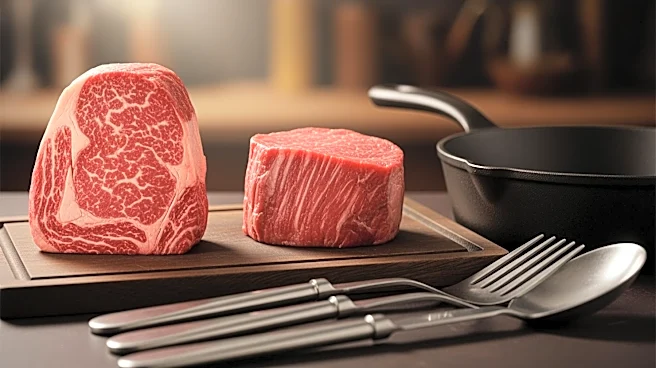
and not allowing it to rest, both of which stem from not respecting temperature. Different cuts, such as ribeye, flat iron, and filet mignon, require specific techniques. For instance, ribeye benefits from being cooked over a wood fire to enhance its rich flavor, while flat iron steak is best cooked hot and fast with compound butter. Filet mignon, being leaner, requires a dual-zone cooking method to prevent overcooking. These insights highlight the nuanced approach needed to achieve the best results for each type of steak.
Why It's Important?
Understanding the specific cooking needs of different steak cuts is crucial for both professional chefs and home cooks aiming to enhance their culinary skills. This knowledge can lead to better dining experiences and more efficient use of high-quality ingredients. For the food industry, promoting these techniques can enhance customer satisfaction and potentially increase demand for premium cuts. Additionally, it encourages consumers to explore a wider variety of steak cuts, which can benefit the beef industry by diversifying sales. This approach also aligns with the growing trend of culinary education and the appreciation of fine dining experiences at home.
What's Next?
As more chefs and culinary experts share their insights, it is likely that cooking shows, online tutorials, and culinary schools will incorporate these tailored techniques into their programs. This could lead to a broader public understanding of steak preparation, influencing home cooking practices and restaurant offerings. The beef industry might also respond by marketing specific cuts with recommended cooking methods, potentially leading to new product lines or cooking kits. Additionally, as consumers become more knowledgeable, there may be increased demand for high-quality, well-marbled cuts, impacting beef production and distribution strategies.
Beyond the Headlines
The emphasis on specific cooking techniques for different steak cuts reflects a broader cultural shift towards personalized and informed cooking practices. This trend highlights the importance of culinary education and the role of chefs as educators. It also underscores the value placed on quality ingredients and the desire for authentic, flavorful dining experiences. As consumers become more discerning, there may be a greater focus on sustainable and ethical sourcing of beef, aligning with broader environmental and health-conscious movements. This development could influence industry standards and consumer expectations in the long term.