





What's Happening?
The annual inflation rate in the U.S. decreased to 3.5% in June from 4.2% in May, according to recent data. Despite this decline, consumer prices remain significantly higher than they were a year ago, with a 3.5% increase. Over the past five years, prices have
risen by more than 25%, indicating a persistent inflationary trend since 2021. Economists highlight that while the inflation rate is falling, the cumulative effect of inflation over several years continues to impact consumers. The difference between annual inflation rates and the actual price levels experienced by consumers can create a disconnect, leading to a perception that inflation's impact is understated.
Why It's Important?
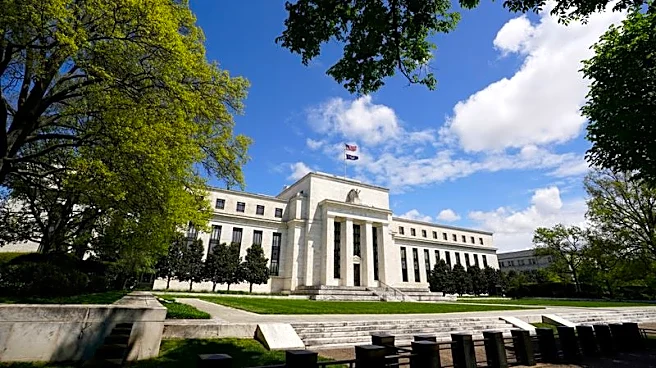
The persistent rise in consumer prices despite a declining inflation rate underscores the ongoing economic challenges faced by U.S. consumers. The elevated prices affect purchasing power and can lead to decreased consumer confidence and spending. This situation poses a challenge for policymakers, including the Federal Reserve, as they balance efforts to control inflation with the need to support economic growth. The disconnect between inflation rates and consumer experiences may influence public perception and economic behavior, potentially affecting policy decisions and economic forecasts.
What's Next?
As inflation remains a critical issue, the Federal Reserve is likely to continue monitoring economic indicators closely. Policymakers may need to adjust monetary policy to address persistent inflationary pressures while considering the broader economic impact. The ongoing evaluation of inflation trends and consumer price levels will be crucial in shaping future economic strategies and maintaining economic stability.