




What's Happening?
A 'Super El Niño' event, projected by the World Meteorological Organization (WMO) and the National Oceanic and Atmospheric Administration (NOAA) to be one of the most destructive climate events in 50 years, is expected to significantly influence global
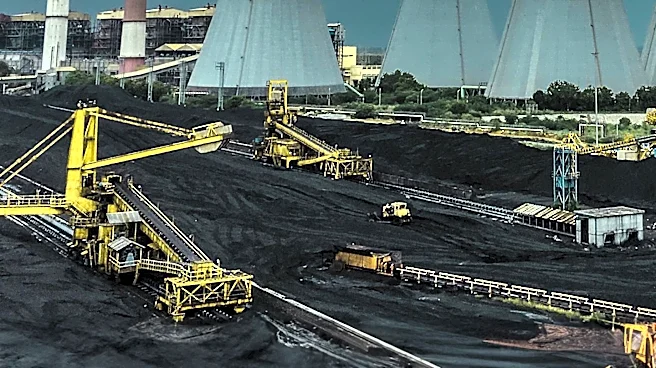
coal markets. This intensifying 2026-27 El Niño, with sea surface temperatures already more than 2 degrees Celsius above normal, has a near-100% likelihood of persisting through February 2027. Its effects are contradictory: in some regions like India, it leads to severe heatwaves and weaker monsoons, reducing hydropower and wind output, thus spiking demand for coal-fired power. Conversely, in areas like China, Japan, South Korea, and Taiwan, El Niño often brings warmer, wetter winters, strengthening regional hydropower and potentially lowering thermal coal requirements. The event also impacts coal supply chains, causing drought in Indonesia, the world's largest thermal coal exporter, which restricts coal transport.
Why It's Important?
The Super El Niño's varied impacts on coal demand and supply chains have significant economic and environmental implications globally. For countries like India, increased reliance on coal to meet energy demands due to reduced renewable output could lead to a surge in greenhouse gas emissions, complicating climate commitments. This shift could also strain coal supply infrastructure and potentially increase coal prices. Conversely, reduced coal demand in Northeast Asia due to increased hydropower could alleviate some market pressure. The disruption to coal exports from Indonesia, a major global supplier, could create supply shortages and price volatility in international markets. These shifts highlight the vulnerability of global energy systems to climate phenomena and the ongoing challenge of transitioning away from fossil fuels while ensuring energy security.
What's Next?
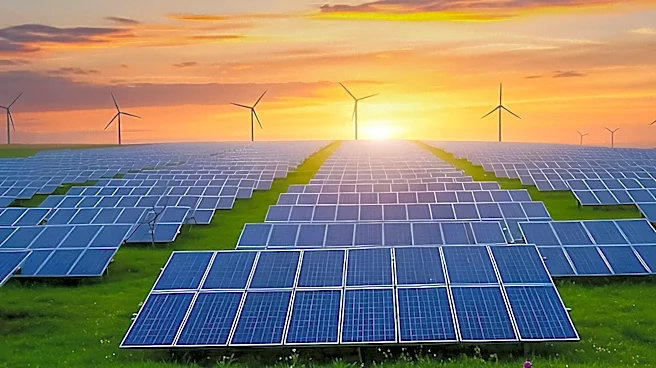
The WMO forecasts that 2027 has the potential to exceed 2024’s record-breaking heat, indicating that the effects of this Super El Niño will likely continue to unfold over the coming year. Regions heavily reliant on hydropower or solar energy, such as parts of the U.S. Pacific Northwest and California, may experience reduced output, leading to increased reliance on natural gas and other fossil fuels to meet electricity demand. This could temporarily increase greenhouse gas emissions in these areas. Coal-producing and consuming nations will need to adapt their energy strategies to mitigate the impacts of these weather patterns, potentially through diversifying energy sources, strengthening grid resilience, and implementing demand-side management. The long-term implications could accelerate investments in climate-resilient energy infrastructure and further emphasize the need for global cooperation on climate change mitigation.
Beyond the Headlines
The Super El Niño event underscores the intricate relationship between climate patterns, energy systems, and global economics. Beyond the immediate market fluctuations, this phenomenon highlights the broader challenge of climate change adaptation. As extreme weather events become more frequent and intense, the reliability of traditional energy sources and renewable energy infrastructure will be increasingly tested. This situation could trigger a re-evaluation of energy policies, pushing for more diversified and resilient energy portfolios that can withstand climatic shocks. It also brings to the forefront the ethical considerations of energy choices, as countries balance immediate energy needs with long-term environmental sustainability. The event serves as a stark reminder that climate variability can have profound and far-reaching consequences, influencing everything from national energy security to international trade relations.