




What's Happening?
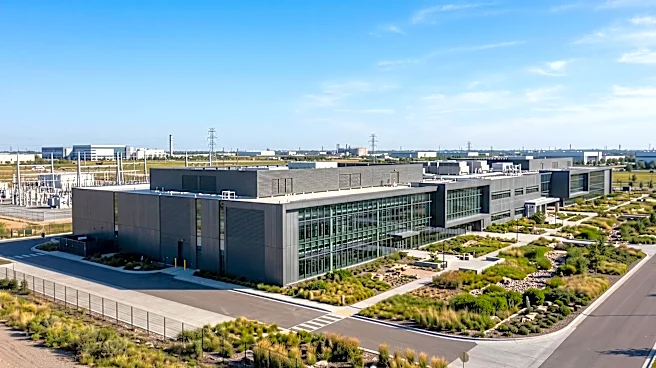
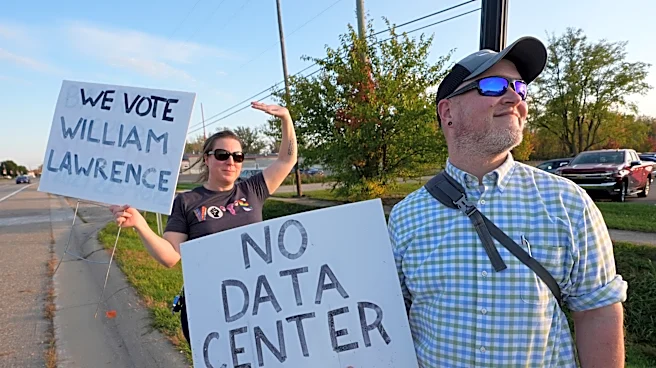
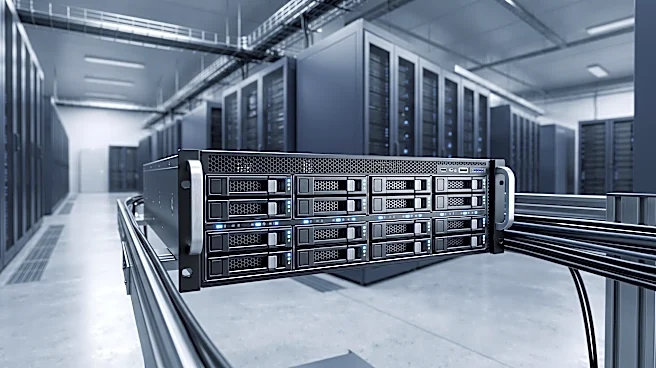
Voters across the U.S. have largely rejected the development of AI data centers, with limits backed in 40 out of 41 local ballot measures, over half of which were in Ohio. This widespread opposition signals a growing backlash against the expansion of these
energy-intensive facilities. Concurrently, Shield AI, a defense technology company, has agreed to acquire Kirkland-based radar maker Echodyne in a deal valued at up to $5.3 billion. This acquisition is expected to bolster the Seattle region's emergence as a defense tech hub. Shield AI is also building its X-BAT autonomous fighter jet south of Seattle and plans to add 4,000 jobs by the early 2030s. In other Seattle tech news, startup Suplari was acquired by Docusign, nearly three years after Microsoft spun it back out to its founders. This, along with the Echodyne deal and Agility Robotics' public listing, suggests a potential uptick in mergers and acquisitions within the tech sector.
Why It's Important?
The widespread voter rejection of AI data centers highlights increasing public concern over the environmental impact and resource consumption of artificial intelligence infrastructure. This backlash could significantly impede the growth of AI development and deployment in the U.S., particularly for companies like Amazon that are planning new data centers. It may force tech companies to reconsider their expansion strategies, invest more in sustainable energy solutions, or seek locations with less public resistance. The acquisition of Echodyne by Shield AI, valued at $5.3 billion, underscores the strategic importance of radar technology in defense and autonomous systems. This deal not only strengthens Shield AI's capabilities in AI-piloted fighter jets but also solidifies the Seattle area's position as a critical hub for defense technology, attracting talent and investment. The broader trend of increased M&A activity, as indicated by the Suplari acquisition and Agility Robotics' public listing, suggests a dynamic period for the tech industry, potentially leading to consolidation and new market opportunities for innovative startups.
What's Next?
The strong voter sentiment against AI data centers will likely prompt tech companies, including Amazon, to re-evaluate their expansion plans and potentially explore alternative strategies for data center development. This could involve increased investment in renewable energy sources for data centers or a shift towards more geographically dispersed and smaller-scale facilities to mitigate local opposition. For Shield AI, the acquisition of Echodyne is expected to accelerate its development of the X-BAT autonomous fighter jet, with plans to launch a factory in the Seattle area by 2027 and create thousands of jobs. This will further establish the region as a key player in defense technology. The observed increase in mergers and acquisitions within the tech sector, exemplified by the Suplari and Echodyne deals, suggests that this trend may continue. This could lead to further consolidation in the industry, with larger companies acquiring specialized startups to enhance their technological capabilities and market reach. The midterm election results could also influence the defense tech sector, potentially impacting government contracts and funding for companies like Shield AI.
Beyond the Headlines
The public's resistance to AI data centers extends beyond immediate environmental concerns, touching upon broader anxieties about the unchecked growth of technology and its societal footprint. This sentiment could signal a shift in public perception, where the benefits of technological advancement are increasingly weighed against their local impacts, such as energy consumption, noise pollution, and land use. This could lead to more localized and community-driven oversight of tech infrastructure development, potentially empowering local governments with greater regulatory control. The Shield AI acquisition of Echodyne highlights the growing convergence of AI and defense, raising ethical questions about autonomous warfare and the implications of AI-piloted systems. The rapid advancements in defense tech could necessitate new policy frameworks and international agreements to govern the development and deployment of such technologies. Furthermore, the uptick in M&A activity in the tech sector could lead to a concentration of power and innovation within a few large entities, potentially impacting market competition and the landscape for smaller, independent startups. This trend could also influence the talent market, as skilled professionals are drawn to larger, more stable companies or to regions becoming specialized tech hubs.