



What's Happening?
Effective home workout plans, particularly High-Intensity Interval Training (HIIT), are being highlighted as accessible and efficient methods for individuals to build strength, stamina, and confidence without requiring specialized equipment. These workouts
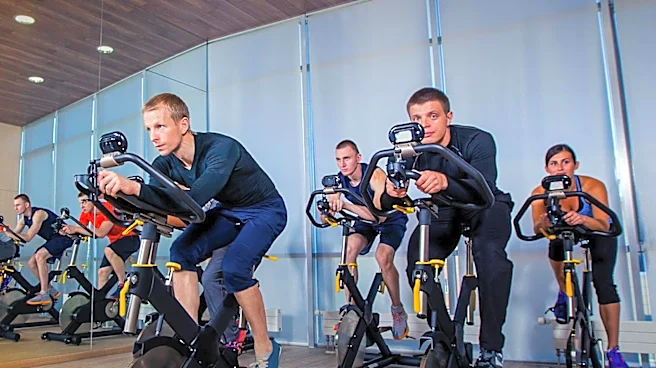
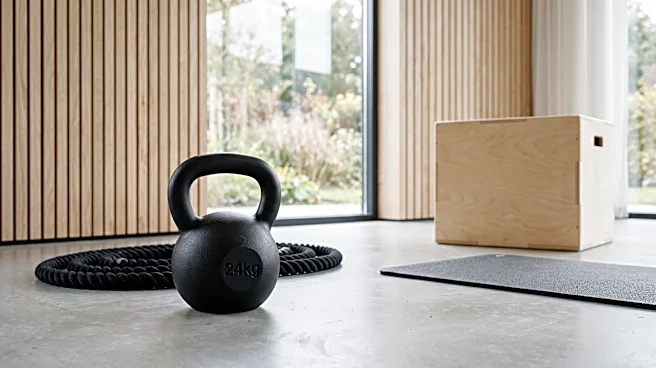
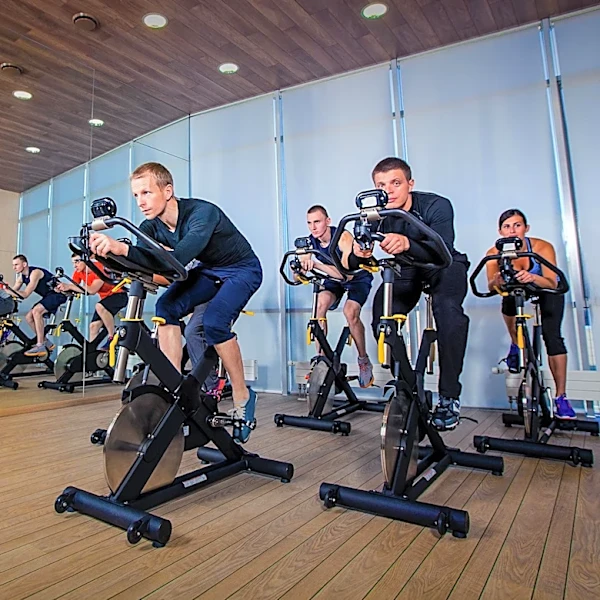
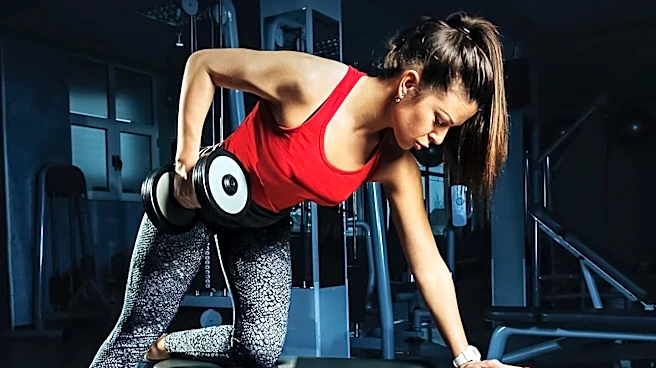
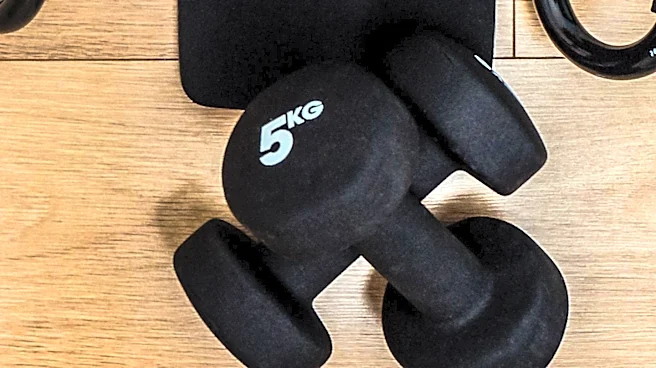
are adaptable for all fitness levels, from beginners to advanced athletes. For instance, beginner machine intervals can be performed using cardio equipment like bikes or treadmills, while no-equipment HIIT workouts incorporate exercises such as high knees, air squats, and burpees. For those looking to add resistance, dumbbell HIIT workouts provide strength-focused conditioning using just one moderate dumbbell. The emphasis is on alternating genuinely hard work with sufficient recovery to maintain high-quality effort throughout the session. To optimize home workout spaces, adjustable dumbbells and resistance bands are recommended for their versatility and ability to support progressive training.
Why It's Important?
The increasing popularity of home-based fitness solutions, especially HIIT, is significant for the U.S. population as it addresses common barriers to exercise, such as time constraints, gym access, and equipment costs. This trend empowers individuals to take control of their health and fitness routines, potentially leading to improved public health outcomes and reduced healthcare burdens. The adaptability of HIIT workouts means that a wider demographic, including those new to exercise or returning after a break, can safely and effectively engage in physical activity. This shift towards accessible, efficient home workouts also impacts the fitness industry, driving demand for home-friendly equipment and online training resources, and potentially altering traditional gym membership models. The focus on maintaining proper technique and progressive overload ensures that these workouts are not only convenient but also effective for long-term fitness goals.
What's Next?
The continued evolution of home workout programs is expected, with a focus on integrating technology and personalized coaching to enhance user experience and effectiveness. We may see more sophisticated apps and platforms offering tailored HIIT routines, real-time feedback, and community support to keep individuals motivated. The market for compact, versatile home fitness equipment, such as adjustable dumbbells, resistance bands, and smart cardio machines, is likely to expand further. Additionally, fitness professionals may increasingly shift towards online coaching and virtual classes to cater to the growing demand for home-based training. The emphasis will remain on creating sustainable and progressive workout plans that can be easily incorporated into daily life, ensuring that individuals can achieve their fitness objectives from the comfort of their homes.
Beyond the Headlines
The rise of effective home workout solutions like HIIT extends beyond mere physical fitness, touching upon broader societal implications related to well-being and lifestyle. It fosters a culture of self-reliance and empowerment, allowing individuals to prioritize their health regardless of external circumstances or traditional fitness infrastructure. This accessibility can help democratize fitness, making it less exclusive and more attainable for diverse socioeconomic groups. Furthermore, the emphasis on efficient, time-saving workouts reflects a broader societal trend towards optimizing personal time and seeking maximum value from daily activities. The mental health benefits of regular exercise, coupled with the convenience of home workouts, could also contribute to reduced stress and improved overall mental well-being, fostering a more resilient and healthier population.