



What's Happening?
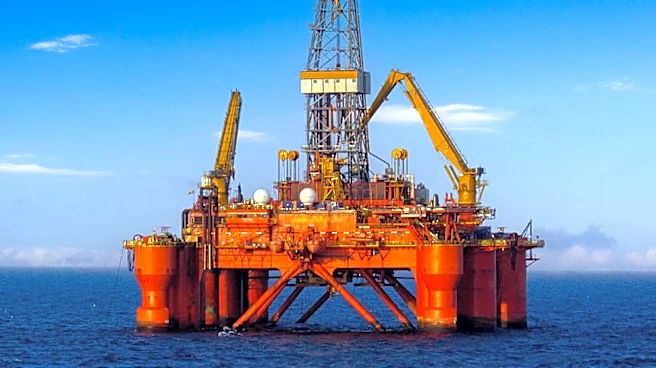
OPEC+ is preparing to approve a final production increase for September before pausing further output target raises through the end of the year. The group, including major oil producers like Saudi Arabia and Russia, plans to increase their combined September target by
188,000 barrels per day. This decision follows a series of increases aimed at restoring supply after voluntary cuts. The pause comes as the Iran war has reduced exports from several Middle Eastern members, affecting the group's spare capacity. OPEC+ is now assessing its members' maximum sustainable production capacity to set future baselines.
Why It's Important?
The decision to halt output increases reflects the challenges OPEC+ faces in balancing supply amidst geopolitical tensions and market uncertainties. The Iran war's impact on exports and the group's spare capacity highlights the vulnerability of global oil markets to regional conflicts. The pause in production increases could influence global oil prices, affecting economies reliant on oil imports. OPEC+'s actions are closely watched by international markets, as they play a crucial role in stabilizing oil supply and prices. The group's internal dynamics and capacity assessments will shape future production strategies.
What's Next?
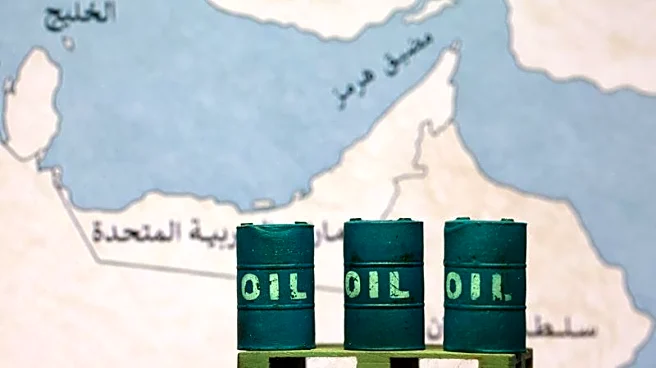
OPEC+ will need to navigate complex negotiations to determine production quotas for 2027, considering investments and capacity expansions by member countries. The group's ability to manage its production targets will be critical in maintaining market stability. The International Energy Agency's expectations of a surplus if oil flows through the Strait of Hormuz recover add another layer of complexity to OPEC+'s decision-making. The outcome of these discussions will have significant implications for global energy markets and the economic outlook of oil-dependent nations.