








What's Happening?
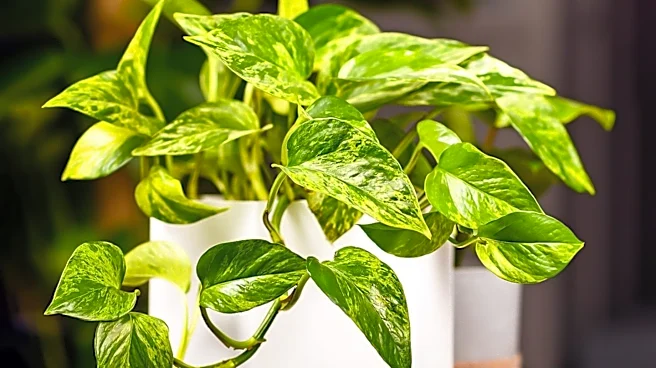
The pothos plant, also known as 'devil's ivy,' is a popular indoor plant due to its low-maintenance nature and vibrant green leaves. According to Penn State University, it has been sold for over a century and presents few problems for caregivers. To ensure
healthy and rapid growth, experts recommend placing pothos in an area with moderate to strong light, while strictly avoiding direct sunlight, which can cause leaves to yellow. Weekly rotation of the plant is advised to ensure even foliage distribution. The ideal temperature range for pothos is between 15.6 C and 26.7 C (60 F and 80 F), as these conditions promote vigorous growth. Regarding watering, the key is to water only when the soil is dry, as overwatering is a primary cause of root rot. The University of Wisconsin-Madison extension also suggests keeping pothos away from strong drafts.
Why It's Important?
Understanding the specific care requirements for pothos is important for U.S. houseplant enthusiasts and the indoor gardening market. Its reputation as an easy-to-care-for plant makes it a popular choice, and providing clear guidelines helps ensure its success in homes and offices. This knowledge can reduce plant mortality rates for consumers, leading to a more satisfying experience with indoor gardening. For businesses in the horticulture sector, promoting these simple yet effective care tips can enhance customer satisfaction and encourage repeat purchases. The emphasis on avoiding overwatering, a common mistake among plant owners, highlights a critical aspect of plant health that, when managed correctly, can save resources and prevent plant loss. This also supports the broader trend of integrating nature into indoor spaces for well-being.
What's Next?
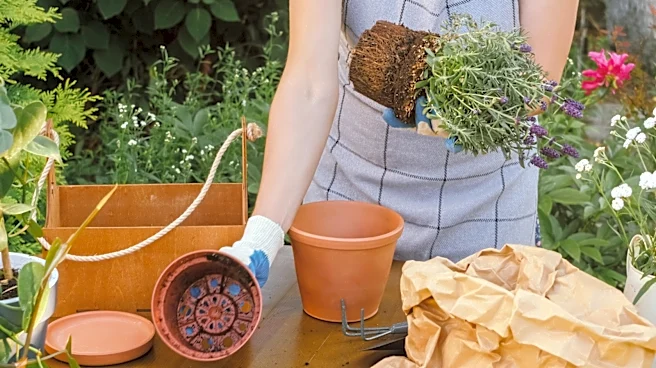
Pothos owners should plan for annual repotting in the spring, moving the plant to a slightly larger container, trimming roots and up to one-third of the stem length, and adding fresh soil. This yearly maintenance, combined with consistent light, temperature, and watering practices, will continue to promote healthy growth. Educational resources from universities and gardening experts will likely continue to highlight these straightforward care instructions, making it easier for both novice and experienced plant parents to maintain their pothos. The plant's resilience and minimal care needs will likely keep it a staple in the U.S. indoor plant market, with potential for new varieties or care products tailored to its specific requirements.
Beyond the Headlines
The enduring popularity of the pothos plant, despite its simple care requirements, speaks to a deeper human desire for connection with nature and the psychological benefits of nurturing living things. Its ability to thrive with minimal intervention makes it an accessible entry point into gardening for many, fostering a sense of accomplishment and reducing stress. The plant's resilience, even when neglected, has earned it the moniker 'devil's ivy,' symbolizing its tenacity. This ease of care also aligns with modern lifestyles, where time is often a luxury, making low-maintenance plants highly desirable. The widespread adoption of pothos in homes and workplaces contributes to improved indoor air quality and aesthetic appeal, subtly enhancing daily environments and promoting a greener, more mindful approach to living.