



What's Happening?
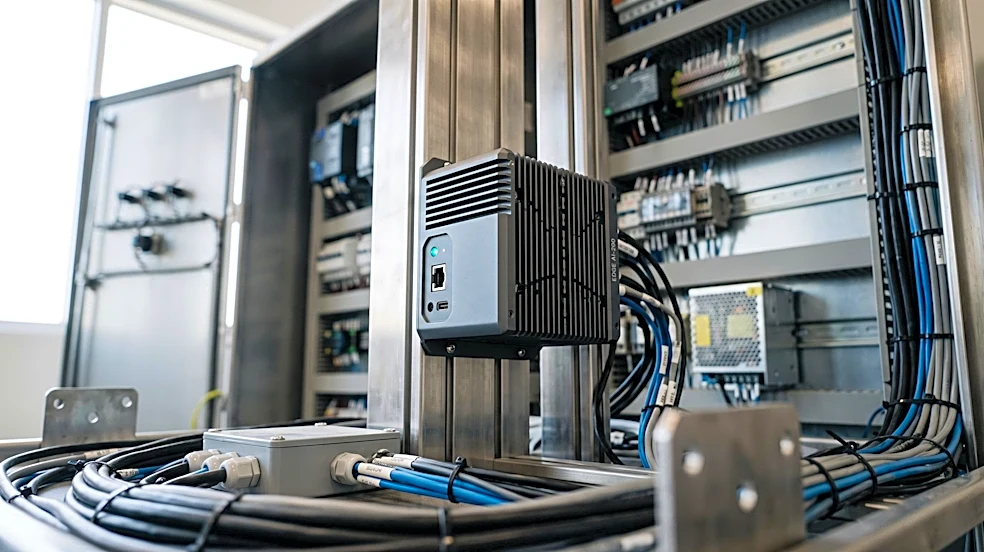
NVIDIA has introduced DSX POD, a new reference design for AI factories built on the Vera Rubin platform. This design aims to significantly accelerate the deployment of AI infrastructure. According to NVIDIA, these systems are constructed and integrated
into modular containers by partners before delivery, which can reduce deployment time at a prepared site from approximately six months to as little as 14 days. The company anticipates that partner-built systems will be available globally by early 2027. This initiative is a direct response to the escalating demand for AI computing power, which requires substantial data center capacity. The modular approach is designed to streamline the construction process, allowing for quicker setup and operational readiness of AI factories.
Why It's Important?
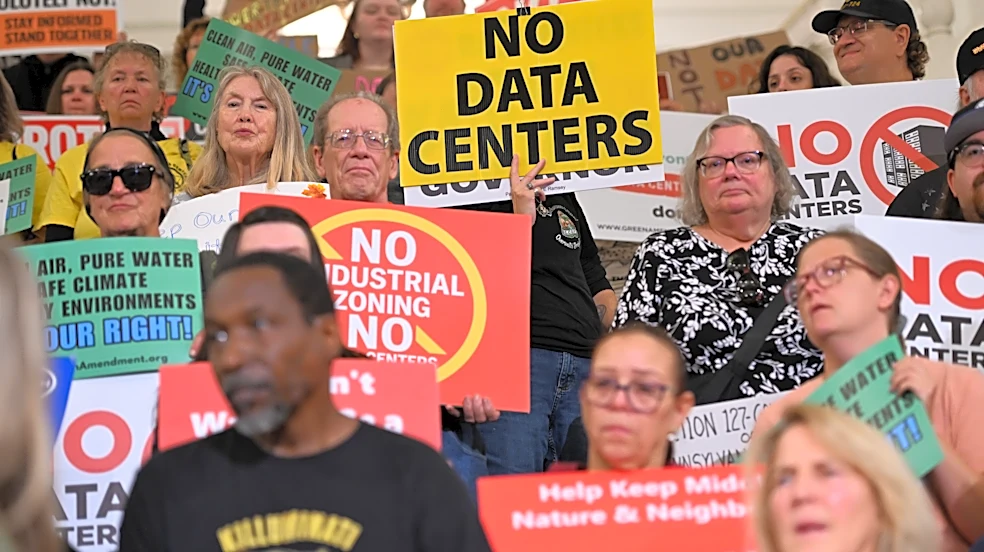
The introduction of NVIDIA's DSX POD is crucial for the U.S. and global technology sectors as it addresses a critical bottleneck in AI development: the speed of infrastructure deployment. Faster AI factory construction means that companies can bring AI models and services to market more quickly, fostering innovation and maintaining competitive advantages. This could significantly impact industries reliant on AI, such as autonomous vehicles, healthcare, and finance, by providing the necessary computational backbone. For U.S. businesses, rapid deployment capabilities could translate into reduced operational costs and quicker returns on investment in AI technologies. However, the effectiveness of this rapid deployment is contingent on the availability of 'prepared sites,' which include essential infrastructure like grid connections, cooling systems, and regulatory approvals. Without these, even the fastest-built pods face delays, highlighting a broader challenge in scaling AI infrastructure.
What's Next?
NVIDIA expects partner-built DSX POD systems to become globally available in early 2027. This timeline suggests that the coming months will likely see increased efforts from partners to prepare for the manufacturing and integration of these modular AI factories. The success of DSX POD will depend on how effectively these 'prepared sites' can be established, particularly in regions facing power and regulatory challenges. Stakeholders, including data center developers, utility companies, and local governments, will need to collaborate to ensure that the necessary infrastructure and approvals are in place to capitalize on the rapid deployment capabilities of DSX POD. The technology's impact will be closely watched as it rolls out, with potential for significant shifts in how AI infrastructure is planned and executed worldwide.
Beyond the Headlines
The DSX POD initiative highlights a deeper tension between technological advancement and existing infrastructure limitations. While NVIDIA offers a solution for faster physical construction, the underlying challenges of power supply, water for cooling, and regulatory approvals remain significant. This situation could lead to a two-tiered system where regions with robust infrastructure and streamlined approval processes gain a substantial lead in AI development, potentially exacerbating existing technological disparities. Furthermore, the emphasis on 'prepared sites' underscores the need for proactive urban and regional planning to support the demands of emerging technologies. The ethical implications of rapid AI expansion, such as energy consumption and environmental impact, will also become more prominent as these factories proliferate, necessitating a balanced approach to innovation and sustainability.