


What's Happening?
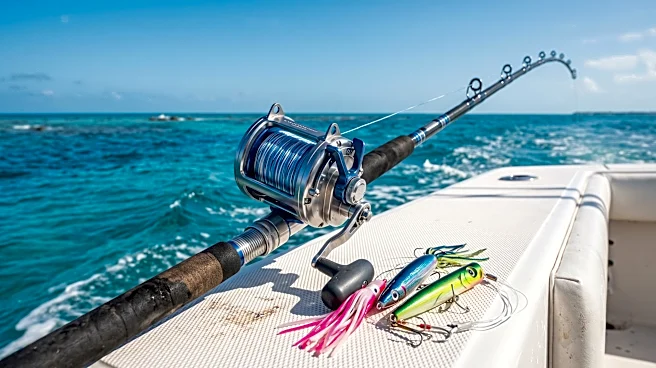
Two Conchs Sportfishing Charters is offering multi-day fishing camps in the Florida Keys, designed to provide hands-on instruction and practical experience in various fishing techniques. These camps, unlike typical fishing charters, emphasize skill development
for anglers of all levels, from beginners to experienced enthusiasts. Participants will learn offshore trolling, live bait fishing, vertical jigging, and reef and wreck fishing. The curriculum also covers essential angling skills such as knot tying, rigging, cast-net throwing, electronics, and kite fishing. The camps aim to teach participants how experienced captains evaluate conditions, choose presentations, and make in-the-moment adjustments, offering a deeper understanding of fishing strategies in the diverse environments of the Florida Keys, including the Atlantic Ocean and Gulf waters.
Why It's Important?
These specialized fishing camps contribute to the growth of recreational fishing tourism in the Florida Keys, a significant economic driver for the region. By focusing on education and skill development, Two Conchs Sportfishing Charters is cultivating a more knowledgeable and engaged angling community. This initiative can lead to increased repeat tourism and a stronger local economy, as participants are likely to return to apply their newly acquired skills. For individuals, the camps offer a unique opportunity to enhance their fishing proficiency, potentially leading to more successful and enjoyable future fishing trips. The emphasis on sustainable practices and understanding marine environments also promotes responsible angling, which is crucial for the long-term health of the Florida Keys' delicate ecosystems.
What's Next?
The Two Conchs Marathon fishing camp is structured as a three-day program, with current schedules, pricing, and availability detailed on their official booking page. The program is designed to accommodate anglers of different experience levels, ensuring that both novices and seasoned fishers can benefit. Future iterations of the camp will likely continue to adapt their itineraries based on seasonal conditions and fish behavior, offering diverse target species such as mahi-mahi, wahoo, blackfin tuna, and sailfish during offshore sessions. The ongoing success of these camps could inspire similar educational initiatives in other U.S. coastal regions, further professionalizing recreational fishing and promoting marine conservation through informed participation.
Beyond the Headlines
Beyond the immediate economic benefits and skill acquisition, these fishing camps foster a deeper connection between individuals and marine environments. By learning directly from experienced local captains, participants gain insights into the generational knowledge and traditions of Florida Keys fishing. This transfer of knowledge extends beyond mere technique, encompassing an understanding of marine ecology, fish behavior, and the subtle cues of the ocean. Such experiences can cultivate a stronger sense of environmental stewardship among anglers, encouraging them to become advocates for marine conservation. The camps also highlight the value of experiential learning, demonstrating how immersive, hands-on education can be more effective than theoretical instruction in developing complex practical skills.