



What's Happening?
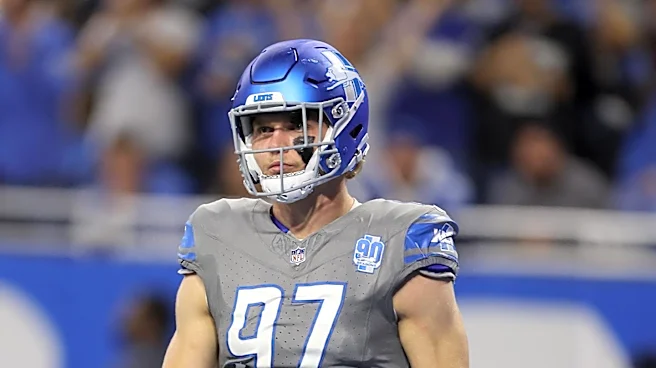
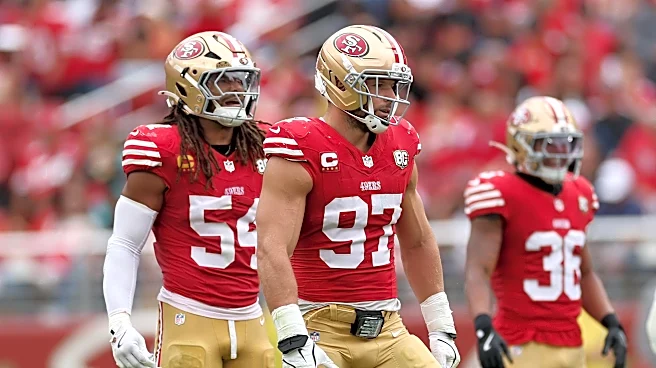
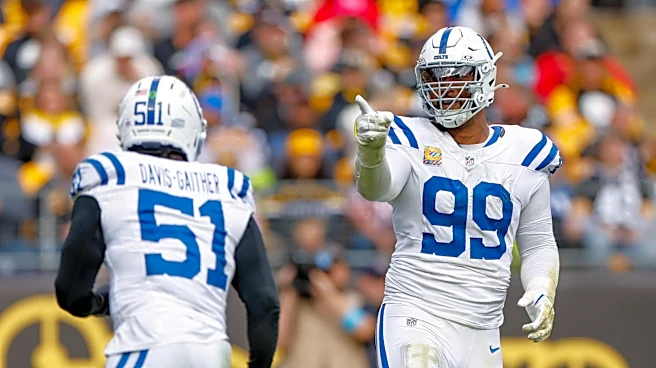
Jim Costa, a personality from 97.1 The Ticket, has commented on the Detroit Lions' advantageous position in the current trade market following recent moves by the Indianapolis Colts. The Colts traded defensive tackle DeForest Buckner to San Francisco
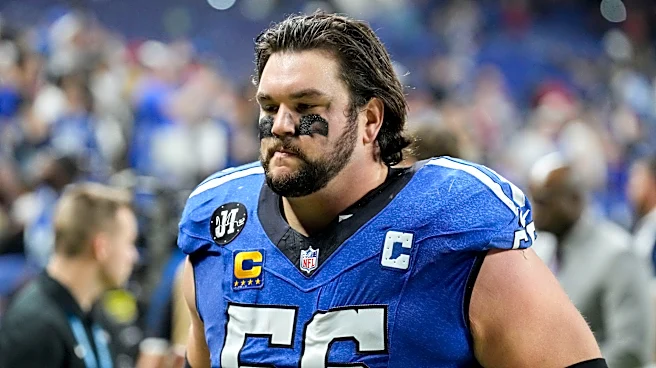
for a 2027 fourth-round pick and eight-time Pro Bowl guard Quenton Nelson to Seattle for a 2027 third-round pick and a 2028 fifth-round pick. Both players were in the final year of their contracts, contributing to the modest returns. Costa noted that this market creates a 'good market for the Lions to be buying in,' suggesting they could acquire a cornerback or another contributor without needing to surrender high-value draft picks like first or second-round selections. He specifically pointed to players on expiring contracts, such as Khalil Mack of the Los Angeles Chargers, as potential targets that fit this 'rental' profile.
Why It's Important?
Jim Costa's analysis highlights a strategic opportunity for the Detroit Lions as the NFL trade deadline approaches. The modest returns for the Colts' veteran players, particularly those on expiring contracts, indicate a buyer's market for teams looking to add talent without long-term commitments or significant draft capital. For the Lions, this could mean strengthening key positions, such as cornerback, which is identified as a clear need, to improve their competitive standing for the current season. Acquiring a 'rental' player allows them to address immediate roster deficiencies without jeopardizing future draft assets, which are crucial for long-term team building. This market dynamic could influence other teams' trade strategies, potentially leading to more movement of players on expiring contracts and impacting the overall competitive balance of the league as teams vie for playoff contention.
What's Next?
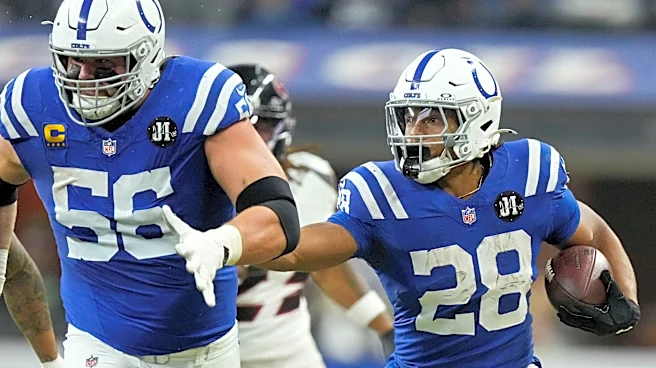
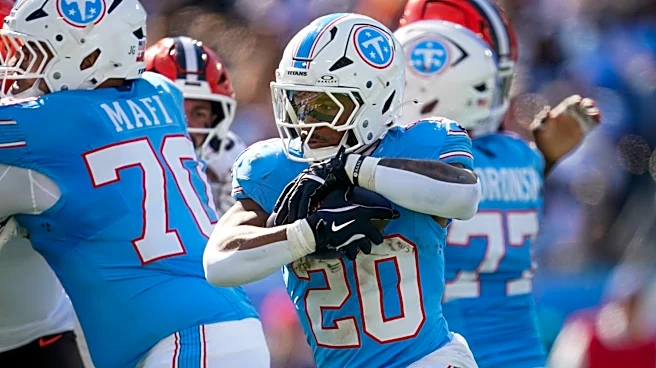
With the trade deadline set for November 10, the Detroit Lions, under General Manager Brad Holmes, will likely be evaluating potential acquisitions based on the current market conditions. Jim Costa's comments suggest that the Lions might prioritize players on expiring contracts to avoid giving up valuable draft picks. While a cornerback remains a primary need, the team will also consider other contributors. The situation with Jonathan Taylor, a Colts running back, could still influence the market; if he were to be traded for a first or second-round pick, it could reset the asking price for other available players. However, as of now, Taylor has not requested a trade. The Lions' decisions in the coming days will reveal whether they capitalize on this perceived 'good market' to bolster their roster for a playoff push, potentially targeting players like Khalil Mack who fit the 'rental' profile.
Beyond the Headlines
The dynamics of the NFL trade market, as discussed by Jim Costa, reflect broader economic principles of supply and demand, even within professional sports. The value of a player is not solely based on their skill but also on their contract status and the overall market sentiment. Players on expiring contracts often command lower trade compensation because teams are essentially acquiring a short-term asset. This creates a strategic dilemma for teams: whether to invest heavily in long-term talent or make more conservative, short-term acquisitions to address immediate needs. The 'rental' strategy, as highlighted by Costa, allows teams to manage salary cap implications and future draft capital more flexibly. This approach can be crucial for teams like the Lions, who are looking to build a sustainable competitive advantage while also making timely improvements to contend in the present season.