







What's Happening?
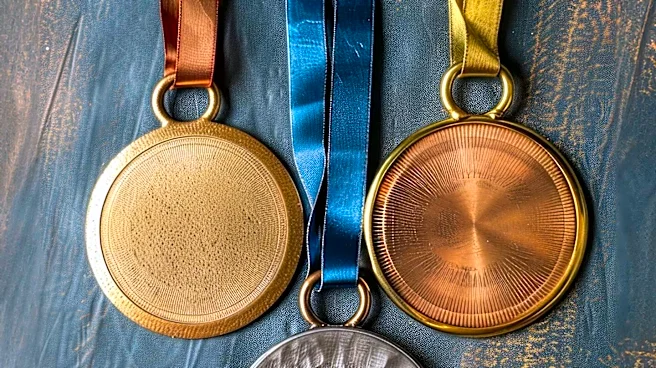
Team Illinois recently returned from the Special Olympics USA Games held in Minneapolis, achieving a sixth-place finish in the overall medal count. The team, consisting of 57 athletes and 16 coaches, competed in eight sports and earned a total of 54 medals.
This impressive tally included 19 gold, 17 silver, and 18 bronze medals. Additionally, Team Illinois athletes set more than 20 personal records and achieved over 30 placements ranging from fourth to seventh place. The event brought together over 3,000 athletes, 1,500 coaches, 10,000 volunteers, and 75,000 fans from across the United States. Team Illinois excelled in several team events, including unified basketball, unified volleyball, swimming relays, bocce, athletics relays, and bowling. Notably, local athlete Debbie Stewart from Rockford earned a bronze medal in the female doubles bowling competition alongside her partner Katie Maynard.
Why It's Important?
The achievements of Team Illinois at the Special Olympics USA Games highlight the importance of inclusivity and sportsmanship in athletics. The event serves as a platform for athletes with intellectual disabilities to showcase their talents and compete at a national level. The success of Team Illinois not only brings pride to the state but also emphasizes the significance of support from coaches, families, and communities in empowering these athletes. The medals and personal records set by the athletes demonstrate their dedication and hard work, inspiring others and promoting a culture of inclusivity in sports. This event also underscores the role of sports in fostering community engagement and breaking down barriers for individuals with disabilities.
What's Next?
Following their success at the Special Olympics USA Games, Team Illinois athletes and coaches will likely continue their training and preparation for future competitions. The achievements at this event may lead to increased support and funding for Special Olympics programs in Illinois, encouraging more participation and development of athletes. Additionally, the recognition of these athletes' accomplishments could inspire other states to enhance their support for Special Olympics programs, fostering a more inclusive environment for athletes with intellectual disabilities nationwide.